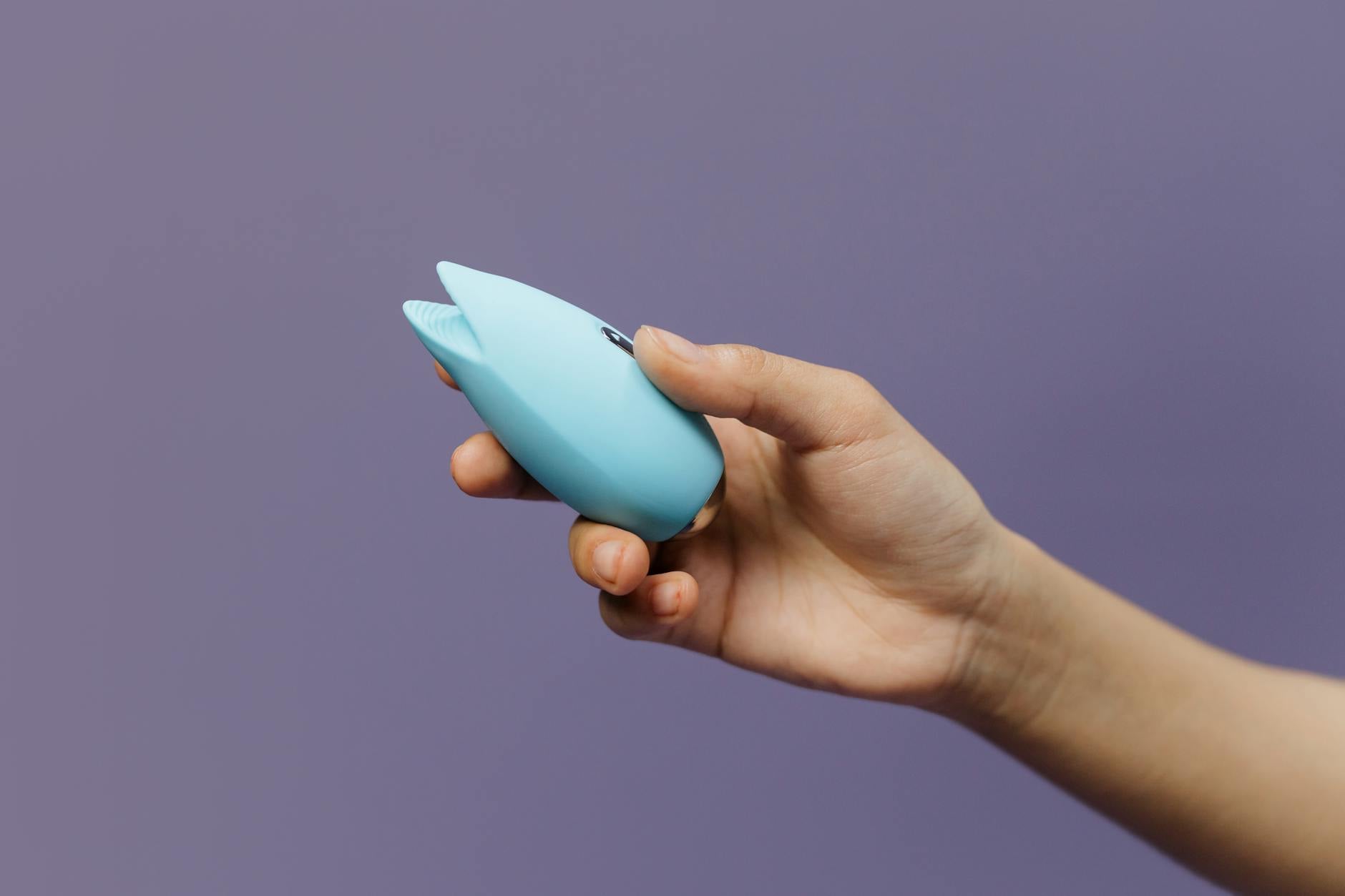
Best Lemon Vibrator Settings When Recovering from Pelvic Surgery
Let's be real: after pelvic surgery, the idea of pleasure feels like it might belong to someone else's body for a while. But here's the thing. Pleasure and healing aren't opposites. When you understand the mechanics of recovery and the graduated approach to using a lemon vibrator, you can actually reclaim sensation faster than you might think.
I work with people navigating this transition constantly. The gap between medical clearance and feeling safe exploring again is real. This guide bridges that gap.
What happens during pelvic surgery and why it matters for pleasure
Different procedures affect tissue differently. Hysterectomy, myomectomy, endometriosis excision, bladder repair, or mesh procedures all involve cutting, suturing, and swelling in an area packed with nerves. Your surgeon says you're cleared for penetrative sex at six weeks or eight weeks, which is true from a mechanical healing standpoint. But nerve recovery, scar tissue integration, and the emotional readiness to feel sensation again? That's a longer arc.
The tissue in and around your vulva is still reorganizing. Scar tissue is forming and will continue to remodel for up to eighteen months. Sensation might feel muted, heightened, or weirdly numb in patches. This is normal. It's not permanent.
A lemon clitoral vibrator works differently than penetrative options. It applies focused suction and vibration to the external clitoris, bypassing internal healing sites entirely. That specificity makes it one of the safest tools for post-surgical pleasure if you approach it gradually.
The first three months: waiting and why it matters
Don't start using any vibrator until your surgeon explicitly clears you for sexual activity. That's usually six to eight weeks post-op, depending on the procedure. If your surgeon says "you can have penetrative sex," that's your green light. If they say "no sexual activity for twelve weeks," that applies to external play too.
Once cleared, there's still a psychological and physiological adjustment needed. Many people report that attempting pleasure too soon feels dysphoric or numb. That's not failure. That's your nervous system saying it's not ready yet. Pushing through that signal often creates a protective response that actually delays reconnection. Give yourself another two to four weeks of simple touch, if that feels good, before introducing vibration.
Starting with the lemon vibrator: settings 1 through 3
When you're ready to reintroduce a lemon vibrator, begin with the lowest three settings. You're not looking for an orgasm here. You're collecting data about what your body can feel.
Setting 1 is barely perceptible. It feels like a gentle hum. Spend one session, just one, exploring what that feels like against your outer labia, away from the surgical site. If your surgery involved the clitoris or clitoral hood area directly, wait before direct clitoral contact. Use the suction cup on the pubic mound or the outer labia first.
Setting 2 adds depth to the vibration. It's still low-frequency. You might feel this more in the surrounding tissue, which is exactly what you want at this stage. Proprioceptive feedback (knowing where your body is in space and what sensation lives where) takes time to rebuild after trauma to tissue.
Setting 3 starts to feel like actual vibration. This is where most people spend their first few sessions. Five to ten minutes, once or twice a week. You're not chasing sensation. You're inviting it back.
When to move to settings 4 and 5
Move up only when two things happen: first, lower settings feel genuinely pleasurable, not just novelty. Second, you've used them for at least two weeks without soreness, increased swelling, or that specific post-surgical pulling sensation.
Settings 4 and 5 open up different nerve endings. You might find that setting 1 felt muted but setting 4 wakes something up. That's nerve recovery working. Some people skip settings 2 and 3 entirely because the sweet spot for their tissue is higher. That's fine. There's no wrong path here.
At this stage, you can extend sessions to fifteen or twenty minutes. You can use it three or four times a week. You're actually building arousal now, not just gathering sensory information.
Managing scar tissue sensitivity
If you had abdominal or vaginal incisions, scar tissue formation continues for months. Sometimes it's tender. Sometimes it's numb. Neither is a reason to stop using a lemon vibrator, but it does change your approach.
Scar tissue is frequently more sensitive to vibration than surrounding tissue. If you notice tenderness developing around where your incision was (even external tenderness), drop back one setting and spend a session focusing elsewhere. You're not setting back your recovery. You're being responsive to what your tissue is telling you.
Some people benefit from gentle massage of the scar area, separate from vibrator use, to help tissue remodel properly. That's a conversation for your pelvic floor physical therapist, who can assess your specific scar and give you targeted guidance.
The plateau and how to move forward
Around six to eight weeks of gentle, graduated use, most people hit a plateau. Settings 1 through 5 work fine, but nothing feels quite like it did before surgery. This is actually progress, not stagnation. You've successfully reconnected with sensation.
That plateau often means two things: one, your nervous system feels safe enough to explore intensity again. Two, your tissue has healed enough to tolerate it. This is when you can start experimenting with pattern variations, if your lemon vibrator has them, or simply allow yourself to use higher settings because you want to, not because you're chasing something missing.
What to watch for: signs to pause or check in with your surgeon
There's normal post-surgical sensation variation, and then there are signs that something needs attention. Increased swelling after use that doesn't resolve within a few hours. Sharp or shooting pain that's different from the soreness you've been managing. Sudden numbness where there was feeling before. Vaginal bleeding or discharge that changes character or increases during or after vibrator use.
These warrant a call to your surgeon or pelvic floor physical therapist. They're not reasons to abandon vibrator use forever. They're reasons to pause, get assessed, and recalibrate.
Building confidence after the clinical phase
Around three to four months post-op, assuming healing has been straightforward, most people feel genuinely ready again. The lemon vibrator becomes a tool of pleasure, not recovery. The deliberation drops away.
Many people find that post-surgical sensation is actually richer than before because they've learned their tissue from the ground up. They know exactly which settings, which patterns, which positioning works. That specificity often translates to stronger orgasms, not weaker ones. Worth noting.
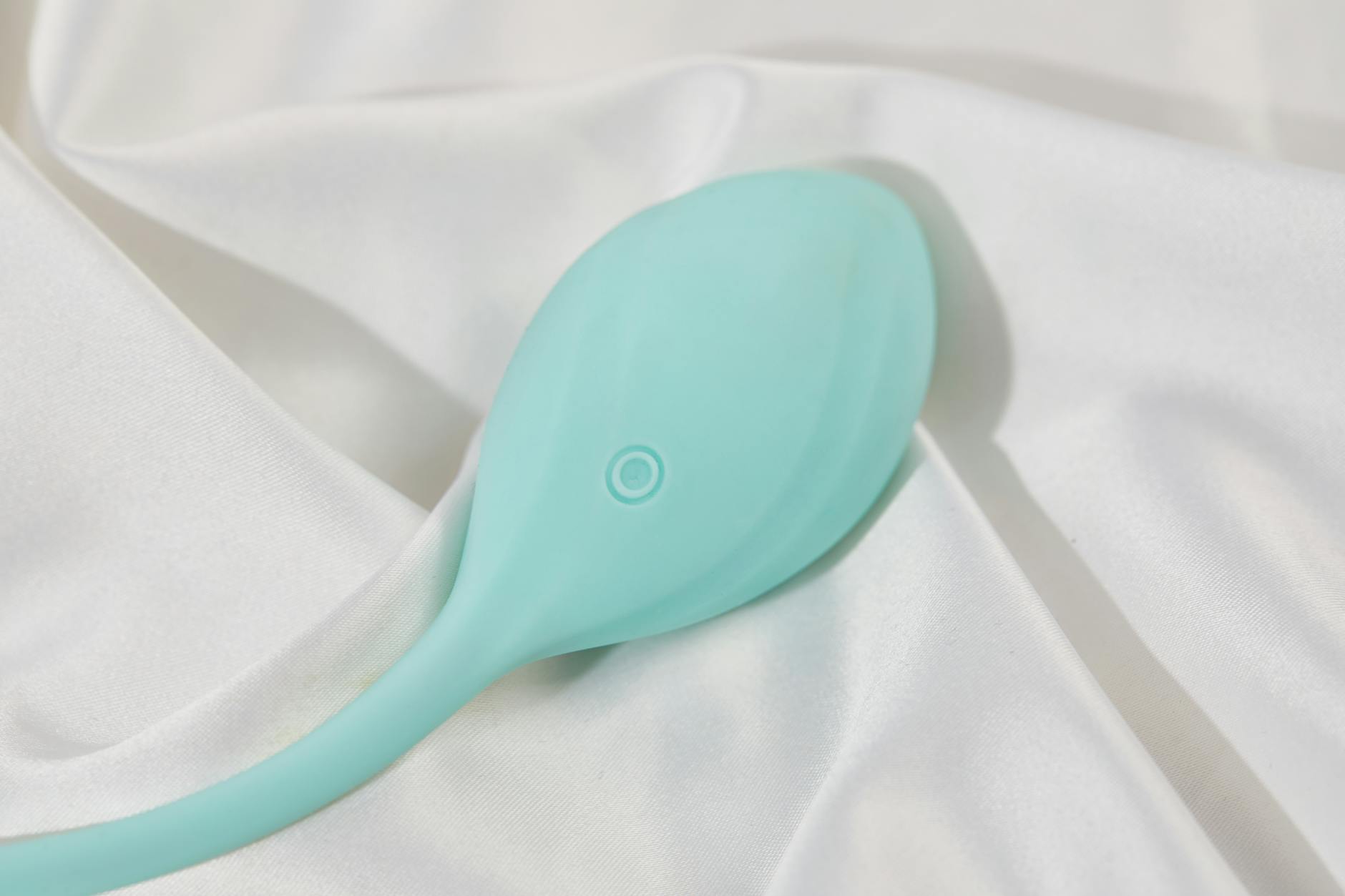
Photo by IFONNX Toys on Pexels
When you're recovering with a partner
If you have a partner, let them know you're working with graduated settings. You're not excluding them. You're doing necessary rehab. The sexiest thing a partner can do post-surgically is respect pacing. If that means they use the lemon vibrator on you together, that's reconnection. If it means they hold you while you explore alone, that's also intimacy.
Many people find that partner involvement actually accelerates emotional readiness, even if the physical timeline doesn't change. There's no rule that says recovery has to be solitary.
For more on navigating this transition together, explore how lemon vibrators work for partners who are rebuilding after a procedure.
The long view: tissue remodeling continues for a year
Here's something most surgeons don't emphasize: even after you feel normal and cleared for all activities, scar tissue continues remodeling for twelve to eighteen months. That means sensation might continue to shift. A setting that felt perfect at month four might feel different at month ten.
This isn't regression. It's ongoing integration. Many people who stay consistent with gentle lemon vibrator use report that by month twelve, they've found a new baseline that actually surpasses their pre-surgical experience.
You might also notice that post-surgical recovery changes how different lemon vibrator settings work for your particular body. Healing alters tissue thickness and nerve density, which shifts your optimal settings. That's data worth collecting.
Starting over, thoughtfully
Recovery isn't about rushing back to where you were. It's about meeting your tissue where it actually is and building from there. A lemon vibrator, when used with graduated intentionality, becomes a bridge between medical clearance and genuine sexual readiness.
Start low. Stay consistent. Listen to your body's real feedback, not your fears. The pleasure you're looking for isn't gone. It's reorganizing, and it's waiting for you to meet it halfway.
People also ask
How soon after pelvic surgery can I use a lemon vibrator?
Wait for explicit clearance from your surgeon for sexual activity, usually six to eight weeks post-op. Then allow two to four additional weeks for nervous system and tissue readiness before introducing vibration. The timeline varies based on procedure type and individual healing. When you do start, begin with settings 1 and 2 for short, infrequent sessions.
Can I use a lemon clitoral vibrator if I had a hysterectomy?
Yes. Hysterectomy removes the uterus but doesn't change external clitoral anatomy. Once you're cleared for sexual activity by your surgeon, a lemon vibrator is actually one of the safer options because it focuses entirely on external pleasure and bypasses internal surgical sites. Follow the graduated setting approach to account for scar tissue sensitivity.
What if lemon vibrator settings 1 and 2 feel numb?
Numbness is extremely common in the weeks immediately after surgery. It doesn't mean your sensation is gone permanently. Nerve recovery lags behind tissue healing. Try settings 1 and 2 once or twice weekly for two to three weeks before escalating. If they still feel completely absent, mention it to your surgeon. Some patients benefit from pelvic floor physical therapy to support nerve reintegration.
Is it normal for my vulva to swell after using a lemon vibrator during recovery?
Minor swelling that resolves within an hour or two is typical, especially in the first month. Your tissue is healing and sensitive to stimulation. If swelling persists for hours, increases over time, or is accompanied by pain that differs from your normal post-surgical soreness, pause and contact your surgeon. You may need to drop back to lower settings or adjust timing.
Can I use a lemon vibrator if I had mesh inserted during surgery?
Mesh procedures require more caution. While external clitoral vibrators like the lemon sucker don't directly contact mesh sites, individual healing varies. Check specifically with your surgeon about vibrator use. Many surgeons clear external vibration, but the timing and approach may differ from other pelvic surgeries. Your pelvic floor physical therapist can also assess and guide you.
How do I know when to move from setting 3 to setting 4 and 5?
Move up when two conditions are met: lower settings feel genuinely pleasurable rather than neutral or numb, and you've used them consistently for at least two weeks without increased soreness or swelling. Your body will usually signal readiness through increased sensation rather than through a calendar date. Trust that signal.