When desire doesn't sync up
Let's be real. You want sex more than your partner does. It's one of the most common relationship friction points, and it lands somewhere between "we never talk about it" and "it's destroying us." The thing is, a lower sex drive isn't a personal rejection, and your higher desire isn't greedy. You're both just working with different baseline needs.
Here's where most couples get stuck: they assume the only solution is for the lower-desire partner to want more, or for the higher-desire partner to want less. Both are dead ends. What actually works is learning to pleasure yourself in a way that feels connected, not separate, and that your partner can understand and even participate in without pressure.
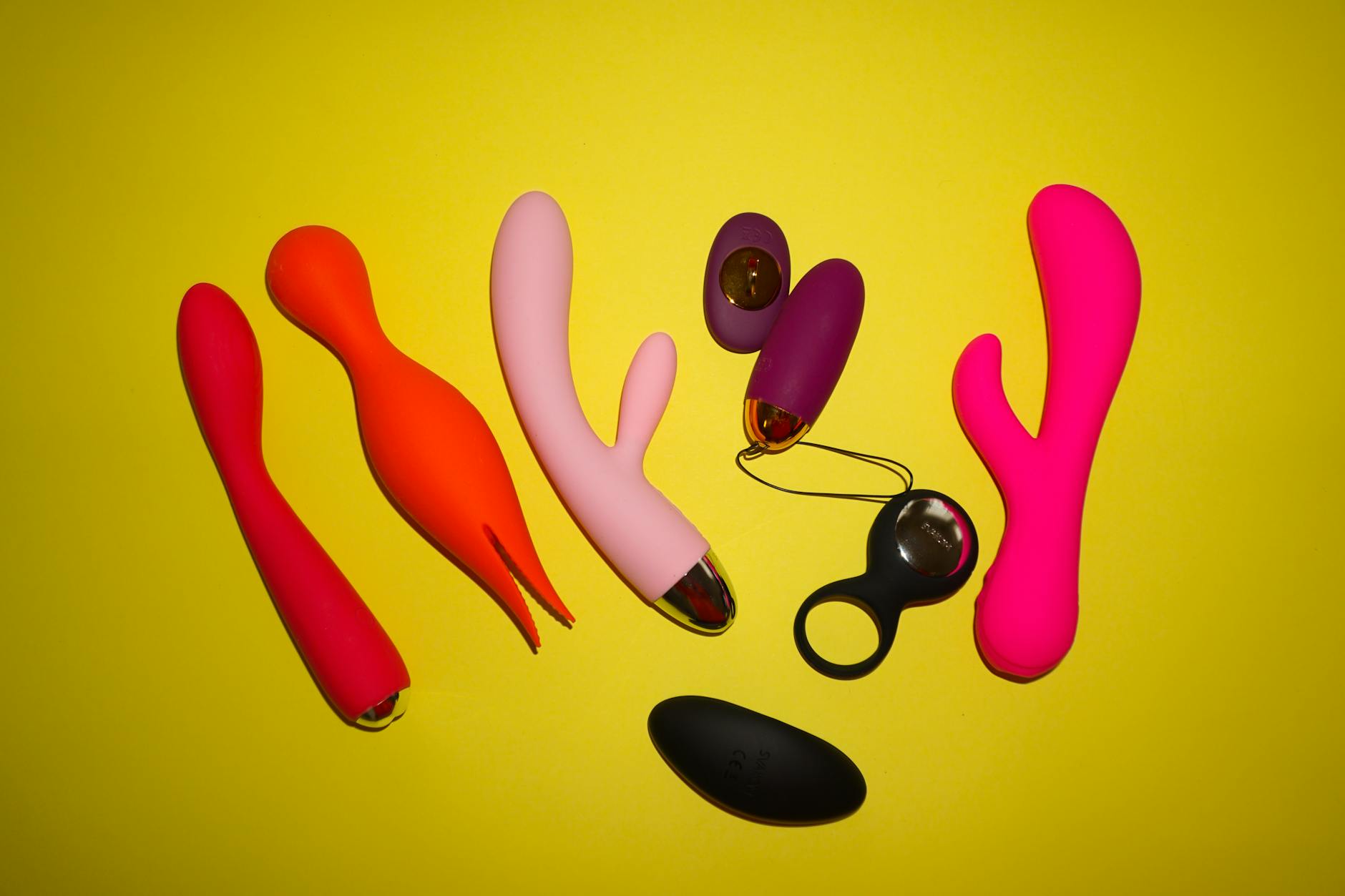
That's where lemon vibrators come in. Not as a workaround. As a bridge.
Why the mismatch happens (and why it's not your fault)
Libido differences exist for a dozen reasons. Stress, medications, hormones, past trauma, different baseline wiring, burnout, health issues. Sometimes both partners are genuinely happy with less sex than they had earlier in the relationship. Sometimes one partner's desire dropped and the other's stayed steady or climbed.
What matters is this: neither of you is broken. Mismatched desire is a real thing that happens to almost every long-term couple at some point. The couples who move through it successfully aren't the ones who shame the lower-desire partner into performing or the higher-desire partner into suppressing themselves.
They're the ones who separate desire from obligation.
The problem with waiting for your partner to want it
If you're regularly initiating and hearing no, you might be in a cycle where: you get frustrated, you initiate less, your partner feels guilty and rejected, they initiate less too, and suddenly you're both touch-starved and confused about what happened.
Alternatively, you might push a little harder each time, hoping this time they'll feel the vibe shift. Your partner senses the pressure and starts avoiding physical intimacy altogether because they know where it's heading. Both people end up ashamed.
The pattern I see most often in my practice is that the higher-desire partner eventually stops asking for sex and starts asking for permission to meet their own needs independently. The lower-desire partner often feels relief at first. Then they feel guilty and confused, because they care about their partner but genuinely don't want penetrative sex as often.
That guilt is the trap door. It keeps couples from talking clearly about what's actually happening.
What a lemon clitoral vibrator actually changes
Here's the key insight: your partner may have a lower sex drive with them. They might have a completely different drive when it's you, alone, exploring your own body in a way that feels good and unpressured.
This matters because lemon vibrators like the Lem give you a way to access pleasure that isn't dependent on your partner's arousal cycle. You're not waiting for them. You're not performing for them. You're taking care of yourself in a way that's actually hot to watch, once the shame dissolves.
For partners with lower desire, watching their high-desire partner use a lemon sucker is often way less intimidating than being asked to have sex on a timeline that doesn't match their body. There's no obligation. No performance pressure. Just someone they love taking care of themselves, which is fundamentally different from someone trying to extract pleasure from them.
Many partners I've worked with say that seeing their significant other use a clitoral vibrator independently actually increased their own desire. Not because they suddenly wanted the same amount of sex, but because the pressure evaporated. Desire shows up when obligation disappears.
How to introduce this conversation without shame
Don't lead with the toy. Lead with the truth.
Pick a time when you're both calm and clothed. Not during sex or trying to have sex. Then say something like: "I've noticed we want sex at pretty different frequencies, and I hate that it's becoming this thing between us. I don't want to feel rejected and I don't want you to feel pressured. I'm thinking about ways I can take care of my own needs so we're not stuck in this pattern."
Then pause. Let them respond. They might be defensive. They might feel relief. They might feel ashamed. All of those are normal.
If they ask what you mean, you can say: "I'm considering using a lemon vibrator on my own, and I wanted you to know that's the direction I'm heading. It's not about you. It's about me not waiting for something that might not happen at the frequency I need it."
Notice what you're NOT saying: "You're not giving me enough sex." "I need you to want me more." "I'm going to cheat if you don't." You're saying: "I have needs and I'm going to meet them in a way that doesn't require you to perform."
Most partners respond better to that than to pressure. Many of them say something like, "Oh. That makes sense. I didn't realize you felt that way."
Creating actual connection while you're doing this
You don't have to hide it. Some couples find that using a lemon clitoral vibrator together, even if your partner isn't directly involved in the stimulation, creates a totally different energy.
Your partner might sit next to you, hold your hand, kiss your neck. They might watch. They might step out of the room for five minutes and come back. The point is that it stops being a secret and starts being something you're sharing, even if you're the only one experiencing direct physical pleasure.
Other couples find that separate pleasure happens separately, and that's fine too. The key is that it's acknowledged and consensual, not hidden.
If your partner seems interested in participating, move slowly. Don't assume that watching you use a lemon sexual toy means they suddenly want to have sex with you. Check in. "Would you like to touch me while I do this?" "Does this feel good to watch?" "What would feel good for you right now?"
Their answer might be, "I'd like to just sit here and feel close to you." That's perfect. That's actually intimacy.
What happens to desire when pressure drops
In my practice, I've seen lower-desire partners' interest in sex actually increase once the pressure disappeared. Not always, and not to match their partner's level. But the frequency often shifts upward because they're not in a state of constant dread about being asked.
I've also seen higher-desire partners feel less resentful because they're no longer dependent on their partner's willingness to meet a need that's actually independent of their partner.
And I've seen couples actually feel more connected because they finally stopped pretending this wasn't happening and started talking about it like adults.
Your lemon vibrator isn't a replacement for your partner. It's proof that you respect your own body enough to care for it independently. That's actually incredibly attractive energy.
The logistics that matter
A few practical things: use water-based lubricant with your lemon clitoral vibrator. Start on lower intensity settings. If your partner is in the room, have some clear signals for "I need a minute alone" versus "I'd like you to stay." Literally just saying it works.
Keep your toy clean. Recharge it regularly. Treat it the way you'd want your partner to treat it if they were handling it. These small rituals actually matter for how you feel about the experience.
Most importantly, don't let this become your only outlet. You still deserve partnered sex on a frequency that works for both of you, even if that's less often than you'd want solo. This is additive, not replacement.
When this helps and when you need more support
Lemon vibrators help with the friction of mismatched desire in a specific way: they give you agency. But they don't fix resentment that's already deep, or relationship dynamics that have bigger problems underneath.
If you're in a situation where your partner refuses to talk about the mismatch, or they're angry when you use a toy independently, or they've become abusive about sex in any way, that's beyond toy territory. That's couples counseling territory. I say this as someone who sees the difference regularly.
But if you're in a fundamentally decent relationship that just has a libido gap, and you're both willing to think creatively about it, a lemon clitoral vibrator can actually help you stop resenting each other and start taking care of yourselves.
Desire doesn't have to match for intimacy to work. You just have to be honest about what you need and willing to meet your own needs without shame. The rest follows.
Frequently asked questions
Can using a lemon vibrator on my own make my partner feel replaced?
It can, if you hide it or act like it's a substitute for them. It won't, if you're honest about it. The key is communication before and after. Let them know it's not about them. If they feel replaced, that usually means there's something deeper happening in the relationship around control or insecurity. That's worth exploring together, maybe with a therapist.
How do I know if my partner has a genuinely lower sex drive or if they've just lost desire for me?
That's a really important distinction. If they have a lower desire for you specifically, that's different from lower libido across the board. One sign is whether they're interested in solo pleasure or touch that's not sexual. If they're affectionate and just don't want sex, libido mismatch. If they've withdrawn from you entirely, that's a signal that something else is happening in the relationship. Worth talking about directly.
What if my partner thinks using a lemon vibrator means I'm not satisfied with them?
Your satisfaction with your partner and your sexual pleasure are two different things. You can deeply love someone and still need more sexual release than they can provide. Frame it that way. "I'm satisfied with you. I'm not satisfied with the frequency of sex that matches both our needs. So I'm taking care of this part myself." It's actually more honest than pretending you're fine when you're not.
Is it normal to feel awkward using a lemon clitoral vibrator when my partner knows?
Completely normal. That awkwardness usually fades once you do it a few times. The first time is weird. The second time is less weird. By the third or fourth time, it starts to feel like just part of your relationship landscape. If the awkwardness never goes away, it might be a sign that your partner isn't actually on board, even if they said they were.
Can a lemon sucker actually help us have more sex together?
Indirectly, yes. When pressure drops, desire often comes back for the lower-desire partner. But that's not guaranteed. Some couples will still have sex at a lower frequency than the higher-desire partner wants, and they'll have made peace with that. The vibrator doesn't fix frequency mismatch. It fixes the shame and resentment that usually comes with it.
What if my partner wants to use a lemon vibrator too, but they have lower desire?
That's great. Solo pleasure and partnered pleasure are completely separate. Your partner might enjoy using a lemon sexual toy on themselves even if they don't want to have sex as often. That's actually perfect. You're both taking care of your own needs independently, which takes all the pressure off both of you.
You deserve to feel good
Your desire is valid. Your partner's lower drive is also valid. Those two things can exist at the same time without either of you being wrong. What usually breaks couples isn't the mismatch itself. It's the shame, the pressure, and the refusal to talk about it clearly.
A lemon clitoral vibrator won't fix a broken relationship. But it can help a good relationship stop breaking over something that doesn't have to break it. You deserve to feel good. Your partner deserves to not feel like they're failing you. Sometimes the simplest way to get there is to stop waiting and start taking care of yourself, openly and without shame.
If you'd like to explore how to navigate this more deeply in your relationship, reach out to us and we can point you toward resources that might help.