Here's what nobody tells you about sex after birth
Your body doesn't snap back. Pleasure doesn't either. And that's not a failure or a loss, it's just a change that needs patience and sometimes a different approach. The pelvic floor heals. Sensation returns. But the timeline is messier than anyone advertises, and reintroducing stimulation too fast, or with the wrong tool, can feel genuinely awful.
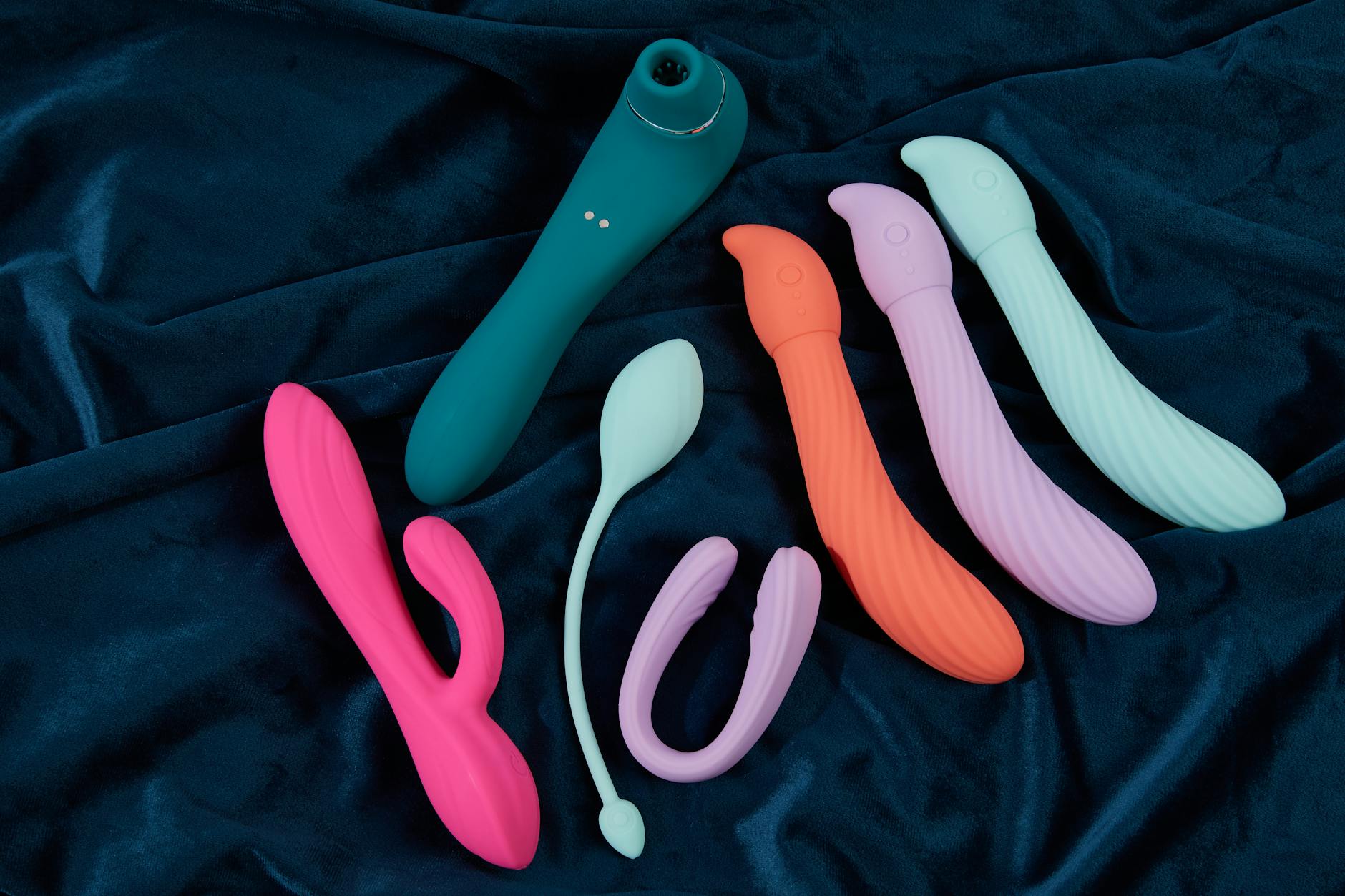
That's where tools like the lemon vibrator come in. A clitoral vibrator designed around suction rather than vibration is gentler on newly healing tissue. It also tends to feel less intense while you're rebuilding sensation. I've worked with postpartum clients who tried traditional vibrators and found them too jarring. Switching to a lemon clitoral vibrator, or lem vibrator, changed everything for them.
What happens to your clitoris and pelvic floor during birth
Your pelvic floor does real work during delivery. The muscles stretch, sometimes tear, and always sustain some trauma even in uncomplicated births. Tissue swelling can take weeks to fully resolve. Nerve sensitivity gets scrambled. Your clitoris itself doesn't usually tear, but the tissue around it does, and that changes how stimulation feels. Some people experience a kind of numbness. Others find normal sensation painful at first.
Hormonal shifts add another layer. If you're breastfeeding, prolactin levels stay elevated, which can suppress arousal and reduce natural lubrication. If you're not breastfeeding, your estrogen is rebounding, which takes time. For about 6 to 12 weeks, most people feel like their vulva belongs to someone else entirely. This is temporary. But temporary doesn't mean comfortable right now.
When you're cleared for sex doesn't mean you're ready for pleasure
Most providers clear you for penetration at 6 weeks postpartum, assuming no complications. Six weeks. That's the floor for physical healing, not the timeline for pleasure or confidence. I've worked with couples where one person was physically healed at 6 weeks and emotionally nowhere near ready at 12. Both are normal.
Clitoral stimulation is usually safe earlier than penetration, but that doesn't mean rushing into it. Starting slowly with a lemon sexual toy, which offers gentler suction stimulation rather than intense vibration, gives your nervous system time to recognize pleasure again without overwhelming newly sensitive tissue.
Why the lemon vibrator works better in early postpartum recovery
Three specific reasons.
First, air-suction technology doesn't rely on direct friction. A traditional vibrator presses hard against sensitive tissue. The lem vibrator uses a gentle pulsing suction that stimulates nerves without the same mechanical pressure. For postpartum tissue that's still healing, that distinction matters.
Second, suction creates a different sensation profile. It's diffuse rather than concentrated. Most people report that it feels less intense initially, which is actually ideal when you're rebuilding confidence and sensation. You're not climbing from zero to ten in one session. You're climbing gradually.
Third, lemon clitoral vibrators are quieter and smaller than many traditional vibrators. That matters psychologically. If you're anxious about being touched, or worried about waking the baby, the gentle hum and compact size feel less invasive.
Start with the lowest settings and the shortest sessions
Don't think of this as your normal pleasure session. Think of it as a check-in with your body. Set aside 10 to 15 minutes. Use a generous amount of water-based lubricant. Even if you don't think you need it, your postpartum body is producing less natural lubrication. Lubricant isn't a sign of dysfunction. It's a sign you're paying attention.
Begin on pattern 1 or 2. Most lemon vibrators have 8 to 10 patterns. You don't need the intense ones yet. Let your nervous system get curious about sensation without demanding much from it. If something feels painful or raw, stop. Discomfort that doesn't resolve in a day or two is a sign to wait longer before trying again.
Address the emotional layer before the physical one
Postpartum bodies carry grief and sometimes resentment. Your body fed another human for months. You gave birth. Now it might feel like it belongs to the baby, or to exhaustion, or to both. Reclaiming pleasure for yourself can feel selfish. It isn't. It's essential.
If you have a partner, talk about this explicitly.