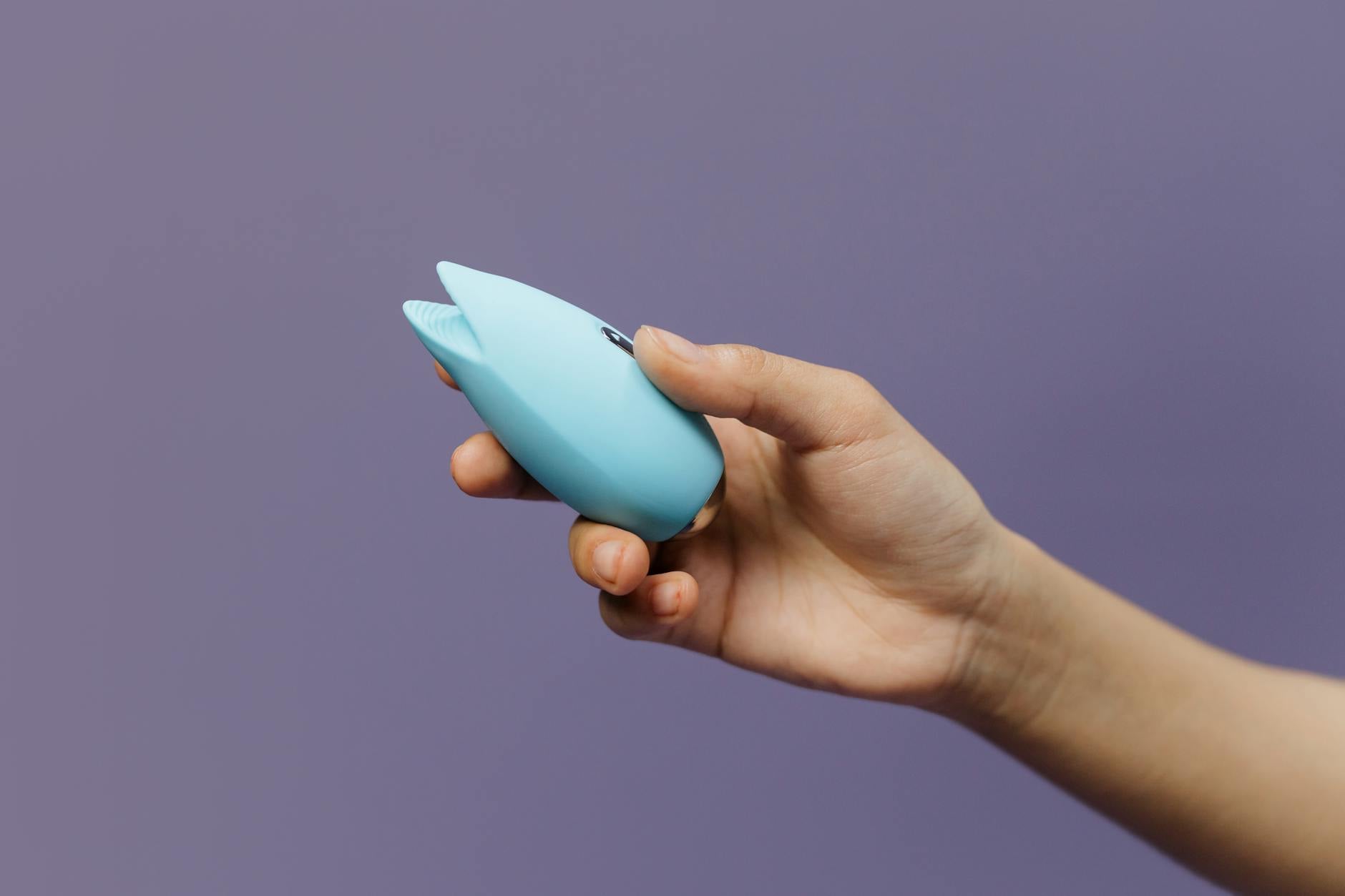
How to Use a Lemon Vibrator When Sensation Feels Numb After Menopause
Here's the thing: numbness after menopause isn't in your head. When estrogen drops, the tissue in and around your clitoris actually gets thinner. The nerves are still there. The sensation pathways are still there. But the tissue barrier between stimulation and nerve firing changes. A vibrator that worked great at 40 might feel like nothing at 52.
A lemon clitoral vibrator works differently than a traditional bullet or wand. Instead of vibration alone, it uses air-pulse suction. That matters more than you'd think when sensation has shifted.
Why sensation changes after menopause
Estrogen does a lot of invisible work. It keeps vulvar tissue plump and well-hydrated. It supports nerve endings. It helps blood flow reach the clitoris quickly during arousal. When estrogen drops, all three slow down.
You're not losing the ability to feel pleasure. What's happening is the signal has to travel a different distance or strength to reach your nerve endings. Traditional vibrators rely on direct vibration against tissue. When tissue is thinner or less responsive, that vibration doesn't transmit the same way.
Air-pulse technology like the Lem vibrator works on a completely different principle. Instead of pushing sound waves through tissue, it creates a gentle suction seal and releases it rhythmically. This stimulates nerves through a different pathway. For people with post-menopausal numbness, that's often more effective.
How a lemon vibrator actually feels different
The best way to describe it: a traditional vibrator is like tapping a drum. A lemon clitoral vibrator is like someone gently pulling and releasing your skin. That difference matters when sensation is muted.
With a lemon sucker (another name for these air-pulse devices), you get stimulation without requiring your tissue to be maximally responsive. The suction creates a pressure change that triggers nerves differently than vibration alone. People who've lost sensation to traditional vibrators frequently report that a lemon vibrator feels strong enough again.
It's also gentler on thin tissue. If menopause has made your vulvar skin more fragile, aggressive vibration can feel uncomfortable or irritating. The lemon's suction-and-release pattern distributes pressure differently, so it rarely causes soreness.
The setup that actually works
Start with water-based lubricant, even if you don't think you need it. Post-menopausal tissue benefits from external moisture regardless of how aroused you are. It's not a sign something's wrong. It's just a fact about changed tissue.
Position matters more now than it did before. The clitoris sits under a hood of skin. After menopause, that hood often becomes less elastic. Direct stimulation sometimes feels numb or even uncomfortable. Try positioning the lemon vibrator so it's working the sides of the clitoris or the area just below the clitoral glans, rather than directly on top. Many people find sensation returns faster when they're not aiming for dead-center contact.
Warm up longer than you think you need to. Arousal in post-menopausal bodies takes time. Blood flow to the genitals is slower. Tissues need 15-25 minutes of foreplay or mental focus before they're optimally responsive. Starting with the lemon vibrator immediately without that warm-up means you're asking a less-activated system to produce sensation. Give yourself time.
Finding the right intensity setting
Lemon vibrators typically have multiple pattern and intensity settings. Don't start at full power.
Begin at settings 1 or 2. You're looking for the moment when sensation clicks into clarity. That threshold is different for everyone and different for you than it was five years ago. Going slow means you'll find it faster. Jumping to setting 5 often just feels like pressure without pleasure.
Many people discover they need a specific pattern, not a specific intensity. The Lem vibrator has waves, pulses, and steady modes. Wave patterns often work better for post-menopausal sensation because they provide variable stimulation instead of relentless repetition. Your nervous system engages better with variation.
Increase intensity slowly over several uses. Your sensitivity may expand as your body adjusts and as arousal deepens. What feels numb on day one might feel perfect by session three.
Timing and frequency matter more than you'd expect
Use your lemon vibrator when you're most alert and aroused. For many post-menopausal people, that's morning or early afternoon, not late at night when you're already fatigued. Energy and mental focus directly affect sensation.
Consistency helps too. Your nervous system becomes more responsive with regular stimulation. Using your vibrator once every two weeks won't rebuild sensation the way using it twice weekly will. Think of it like physical therapy for pleasure. The repetition matters.
Don't expect immediate results. Sensation changes took months to develop. Rebuilding them takes weeks, not days. But most people report noticeable improvement within 3-4 weeks of regular use, especially when combined with the other strategies here.
When to bring a partner in
If you're partnered, involving them changes the dynamic. Their touch, their attention, their arousal all feed into yours. That's not about needing them to fix the problem. It's about how your nervous system works. Arousal is partly a solo system and partly a partner system. Using your lemon vibrator together means you're activating both.
Talk first. "My sensation has changed, and I want to rebuild it together. This isn't about anything you're doing wrong." Then show them. Let them hold the vibrator. Let them experiment with angles and intensities. The combination of their attention plus the vibrator's stimulation often creates sensation that neither produces alone.
Some couples find that <a href="/blog/how-to-use-lemon-vibrator-for-couples-rebuilding-intimacy-after-long-term-relationship-stress">rebuilding pleasure together after life transitions</a> actually deepens their connection. The vulnerability and exploration involved can make intimacy feel new again.
When numbness is worth a doctor visit
If sensation doesn't improve within 4-6 weeks of regular lemon vibrator use, or if numbness is paired with pain, dryness that doesn't improve with lubricant, or loss of arousal entirely, mention it to your doctor. Sometimes post-menopausal numbness signals other things: nerve issues, thyroid problems, medication side effects, or depression.
Genitourinary syndrome of menopause (GSM) is real and treatable. Low-dose topical estrogen cream can restore tissue thickness and sensation in 2-3 weeks. It's not your only option. It's just an option worth knowing exists.
You might also consider whether you're on antidepressants, blood pressure medication, or other drugs that affect sensation. Switching timing or doses sometimes helps. So does talking to your doctor about alternatives.
The actual experience of rebuilding sensation
Honestly, this can feel emotional. For years, your body one way. Now it's different. That's grief, even if the grief is small. Rebuilding sensation isn't just physical. It's also reclaiming a part of yourself that felt lost.
Take your time. Use your lemon vibrator alone first if that feels safer. Learn what angles and patterns work. Then decide whether you want to share that knowledge. The pleasure you build is yours, whether you explore it solo or with someone else.
Many people find that post-menopausal pleasure is actually deeper than what came before. The stakes feel lower. The performance pressure lifts. You're not chasing what used to happen. You're discovering what can happen now. A lemon clitoral vibrator isn't a fix for numbness. It's a tool for meeting your body where it actually is.
People also ask
Why does menopause cause clitoral numbness?
Estrogen supports vulvar tissue thickness and blood flow. When estrogen drops during menopause, tissue gets thinner and blood flow to the clitoris slows. The nerve endings are still present, but the tissue barrier between them and external stimulation changes. This is why direct vibration sometimes stops producing sensation. Your nerves haven't gone anywhere. The pathway to them has shifted.
Is a lemon vibrator better than a regular vibrator for post-menopausal numbness?
Often, yes. Air-pulse vibrators like the Lem work through suction and release rather than pure vibration. This stimulates nerves through a different mechanism. People who've lost sensation to traditional vibrators frequently report that lemon suckers feel stronger and more satisfying. That said, every nervous system is different. What works for one person might not for another. Trying both is the only real answer.
How long does it take to rebuild sensation after menopause?
Most people notice improvement within 3-4 weeks of consistent use (2-3 times weekly). Full sensation restoration can take 2-3 months, especially if you're also using topical treatments. Patience matters here. Your nervous system responds to sustained stimulation, not sporadic use. Think of it as rebuilding rather than fixing.
Can topical estrogen cream help with post-menopausal numbness?
Yes. Low-dose vaginal estrogen cream (applied to external and internal tissue) can restore vulvar tissue thickness in 2-3 weeks. This often makes vibrator use more pleasurable because sensation has more responsive tissue to work with. It's not a replacement for exploring tools like a lemon vibrator. It's a complement. Combining both approaches often works best.
Should I use lubricant with a lemon vibrator if I'm post-menopausal?
Always. Post-menopausal tissue has less natural lubrication. External moisture helps the suction seal work better and prevents irritation. Use water-based lube, not silicone-based, since that can degrade silicone toys. You're not lubricating because something's wrong with you. You're lubricating because this is how your body works now, and that's completely normal.
What if my lemon vibrator still doesn't feel like much after several weeks?
Talk to your doctor. Sometimes post-menopausal numbness signals underlying issues: medication side effects, thyroid problems, depression, or nerve damage unrelated to menopause. Genitourinary syndrome of menopause (GSM) is also very treatable. You might also adjust intensity, patterns, positioning, or the timing of use. But if nothing shifts after 6-8 weeks of consistent effort, professional guidance helps identify what's actually happening.
Moving forward
Your post-menopausal body isn't broken. It's changed. A lemon clitoral vibrator acknowledges that change and works with it instead of against it. That's the whole point. Start slow, use water-based lubricant, give yourself time, and be patient with the rebuild. Sensation often comes back stronger than you expect.