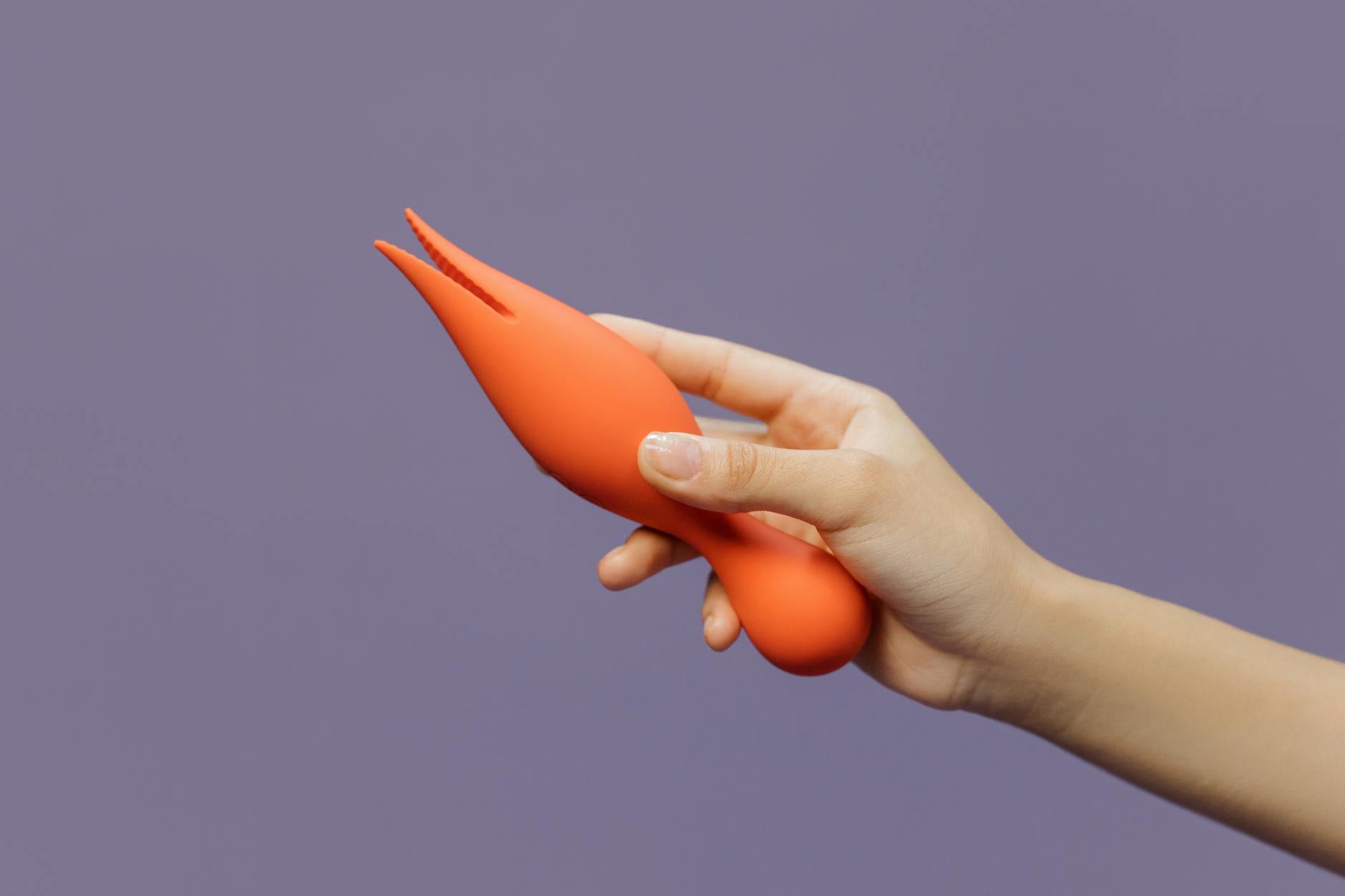
When Can You Use a Lemon Vibrator After Surgery or Medical Procedures
Let's be real. Nobody actually wants to sit in their doctor's office and ask "So when can I use my vibrator again?" But that question matters, and the answer isn't always intuitive.
WhetherYou've had a D&C, hysterectomy, fibroid removal, or pelvic floor surgery, your body is healing. Using a clitoral vibrator too soon can complicate that healing. Using it too cautiously can extend the emotional weight of feeling disconnected from your pleasure longer than necessary. The goal here is to navigate both.
The general healing timeline for clitoral vibrator use
First, the baseline: your doctor's restrictions trump everything here. But in general practice, the timeline breaks down like this.
Weeks 1-2 post-procedure: Don't use any toys. Your vulva is likely swollen, stitched, or raw depending on what happened. Even if it doesn't feel actively painful, vibration can increase inflammation and interrupt the earliest healing phase. This is rest mode. Truly.
Weeks 3-4: You might get cleared for light external touch with fingers, no toys yet. Your doctor will tell you this. Listen to them. If they don't bring it up, ask directly. Most gynecologists expect the question even if you don't.
Weeks 5-6 and beyond: This is where it gets individual. Some people are cleared for gentle toy use; others need another 2-3 weeks. Procedure type matters wildly here. A routine D&C heals differently than a hysterectomy or pelvic floor reconstruction.
The most common clearance window for returning to lemon vibrators or other clitoral toys sits around 6-8 weeks post-procedure for straightforward gynecological work. But "common" isn't your timeline. Your tissue, your healing rate, your medical history all shift the math.
Why tissue healing trumps your timeline
Here's what I see most often in my practice. Someone gets clearance from their surgeon at week 6 but feels nervous. So they wait an extra month. Then they feel guilty about the waiting. Then they try their lemon vibrator too aggressively because they're frustrated.
Reverse the pressure. You're not behind schedule if you wait longer. You're not brave if you jump in early. You're being smart if you listen to your body's actual readiness signals, not the calendar.
Internal healing looks different from external. A D&C involves the lining of your uterus. A myomectomy (fibroid removal) involves the uterine wall itself. Both affect blood flow and tissue fragility differently. A hysterectomy removes the organ entirely, which means deeper healing in ligaments and pelvic fascia. Each one has a different timeline before vibration is safe.
External healing, like after a perineotomy or episiotomy repair, is usually faster. You can see the tissue. You can feel it tightening. Suction-based toys like the Lemon Vibrator require less direct friction and pressure than other vibrators, which can make them a gentler first option once you're cleared.
What changes in your body after pelvic procedures
Beyond just the surgical site itself, your whole pelvic ecosystem shifts during recovery. Inflammation increases. Estrogen and progesterone can dip (especially after a hysterectomy). Pelvic floor muscles tighten protectively. Scar tissue begins to form, which can affect sensation and feel of touch.
Your lem vibrator will feel different even when you're technically healed. The sensation might be duller, sharper, asymmetrical, or just plain weird for a few weeks. This is normal. Nerve endings are waking back up. Scar tissue is settling. Your body is remembering how to respond to pleasure after a period of protection.
If you had a hysterectomy, the loss of the uterus itself changes orgasmic sensation. Many people report that orgasms feel more localized to the clitoris (since uterine contractions can't happen anymore). Some find their first post-hysterectomy orgasm surprisingly intense. Others need patience to rebuild sensation. None of these outcomes is wrong. They're all normal variation in how bodies heal.
The mental and emotional part matters as much
Post-surgical touch anxiety is real, and it's way more common than most people talk about. You've been told your vulva is a surgical site, not a pleasure site, for weeks or months. Your brain has recategorized it as a thing to protect, not explore. Switching that back on takes intention.
Start with non-toy touch if you can. Shower. Use your hands. Notice what feels okay and what feels raw or tender. Let your nervous system reset to pleasure before adding vibration. This sounds slow. It actually moves you forward faster because you're not overriding pain signals or panic responses halfway through.
When you do use a clitoral vibrator again, consider starting at the lowest setting. The Lemon Vibrator's gentlest pattern might feel quite different post-recovery than it did before. You're not starting over from scratch, but you're also not picking up where you left off. Meet yourself in the middle.
If you had a partner before surgery, their role matters too. They might be anxious about hurting you, about restarting physical intimacy, about whether you're still attracted to them post-procedure. These conversations aren't sexy, but they clear the psychological path for actual pleasure to happen. Consider reading about lemon vibrators for partners if you want language to bridge back into shared touch together.
Red flags that mean you need to wait longer
Even if your surgeon cleared you, your body gets a vote. Stop using any toy immediately and contact your doctor if you notice:
Increased bleeding or spotting after toy use. A little moisture is normal. Fresh red blood or return of lochia (postoperative bleeding) after weeks of none means tissue isn't ready.
Sharp pain, not just pressure or unfamiliar sensation. Pain has information. Listen to it. Dull achiness post-orgasm can be normal. Shooting pain, stabbing, or electrical sensations aren't.
Sudden swelling or warmth in the vulva after use. This signals inflammation that vibration aggravated. Ice, wait, contact your doctor.
Discharge that smells bad or looks infected. Color change (gray, green, brown) or bad smell means bacterial or fungal growth, not a toy issue, but definitely not a vibrator situation anymore.
If any of these happen, it's not failure. It's your body sending a clear message that it needs more time. Respect it.
Easing back in safely when you're cleared
Once your doctor says yes and your body isn't showing red flags, here's how I recommend returning to lemon vibrators or other clitoral toys.
Start with the lowest intensity setting. The Lemon Vibrator (one of the gentler options for post-recovery use because of its suction mechanism) has several patterns. Begin with pattern 1 or 2 even if you used much higher settings before. Your tissue sensitivity will have shifted. Your pelvic floor is likely overactive from protective tension. Your nervous system might be hypervigilant around that area.
Keep sessions short. 5-10 minutes, not 20. You're gathering information about what feels good and what feels too intense. You're not chasing an orgasm. The goal is rebuild the neural pathway from touch to pleasure, not go big immediately.
Use lube even if you didn't before. Post-procedure, tissue can be thinner or drier than it was. Water-based lubricant eases friction and helps you focus on sensation instead of any minor discomfort. It also protects delicate healing tissue.
Notice what's actually different. Does the toy feel looser or tighter because of swelling? Does the sensation feel localized differently? Are you more sensitive or less? None of these answers are permanent. You're in an information-gathering phase.
Let pleasure rebuild gradually. For some people, their first post-surgery orgasm comes within a week of starting again. For others it takes a month. Both are normal. Patient, consistent exploration usually wins over pushing hard and frustrating yourself.
Special considerations for different procedures
After D&C (dilation and curettage): Usually the fastest recovery for toy use. The cervix was opened but the exterior vulva wasn't involved. Your surgeon will likely clear you for masturbation and toys around week 4-6. Bleeding should have stopped. Lemon vibrators are safe once you have clearance, since they apply suction rather than internal pressure.
After myomectomy (fibroid removal): This depends entirely on whether fibroids were removed via hysteroscopy (internal, through the cervix) or laparoscopy (small abdominal incisions). Hysteroscopic removal has faster toy clearance. Laparoscopic takes longer because of deeper pelvic tissue trauma. Expect 8-12 weeks before your doctor clears vibrator use.
After hysterectomy: This is the longest recovery window. Six to eight weeks minimum before any internal penetration or vibration, and often longer for external clitoral toy use. Once cleared, clitoral vibrators (including suction-style toys like lemon vibrators) are safe, but internal sensation will feel different because the uterus can't contract. This isn't worse, it's different.
After pelvic floor physical therapy or surgical repair: If you had a perineotomy, episiotomy repair, or pelvic floor reconstruction, the timeline depends on what exactly was done. External suction toys are usually safer than internal toys because they don't add internal pressure. Your pelvic floor PT should have specific guidance here. Ask for it.
A realistic post-recovery timeline example
Let me walk through what this actually looks like for someone with a straightforward procedure.
Weeks 1-3: No toy use, no penetration. Showers okay, gentle external touch okay if it doesn't hurt, focus on healing.
Weeks 4-5: Ask your doctor directly about toy use. If they say yes, start with hand touch in the shower or bath. Warm water relaxes muscles and makes initial exploration less mentally loaded.
Week 6: If that felt good and painless, try your lemon vibrator at the absolute lowest setting for 3-5 minutes. Notice how it feels. Does swelling increase after? Does bleeding return? Does it feel good?
Weeks 7-8: If week 6 went well, gradually increase time (10 minutes) and intensity (pattern 2 if you were at pattern 1). Still keeping things gentle and exploratory.
Weeks 9+: You're probably back to something close to normal use, though you might find you've changed your preferences or sensitivity levels. That's fine. Bodies aren't static.
This timeline is one example. Yours might be faster or slower. The point is giving yourself permission to move gradually instead of holding your breath and diving in all at once.
FAQ: Common questions about toys and post-surgical recovery
Can I use any lemon vibrator after surgery or should I choose a specific style?
Suction-based toys like the Lemon Vibrator are often easier to return to first because they apply gentler, more diffuse pressure than traditional vibrators. Air-suction mechanisms don't require internal penetration and spread stimulation over a wider area. Once you're cleared, suction toys are a solid choice for early recovery. Other styles (wands, bullets, internal vibrators) you can explore once you feel more stable, but suction is often the gentler entry back.
How do I know if I'm healed enough to use a clitoral vibrator if my doctor hasn't specifically addressed it?
Ask directly. Bring a list if it helps: "I want to return to using a clitoral vibrator for masturbation. What's your timeline for that?" Most gynecologists are used to this question. If yours seems uncomfortable, that's feedback that you might want a doctor who's more open to sexual health conversations. You deserve a provider who treats pleasure as part of recovery, not something separate from it.
Can using a lemon vibrator too soon actually damage my surgical repair?
Yes, potentially. Vibration increases blood flow and inflammation. Too much too soon can reopen incisions internally, increase scar tissue formation, or delay healing overall. It's not about being paranoid. It's about respecting the timeline your body actually needs, not the timeline you wish it was.
I'm experiencing pain with my vibrator weeks after I was cleared. Should I stop using it permanently?
Not necessarily. Pain usually has a fixable cause. Scar tissue sensitivity, pelvic floor tension, or inflammation from overuse can all cause pain that gets better with adjustment (lower intensity, shorter sessions, more breaks) or treatment (pelvic floor PT, topical estrogen if you're postmenopausal). Talk to your doctor or a pelvic floor specialist before giving up toys entirely.
Is it normal to have less sensation or different kinds of orgasms after pelvic surgery?
Completely normal, especially after hysterectomy or procedures involving the uterus. Nerve endings heal differently. The pelvic anatomy has shifted. Your brain's mapping of that area is being rewritten. It usually stabilizes in 3-6 months post-surgery. Sensation and pleasure often return to something close to baseline, though it might feel subtly different. Patience and consistent, gentle exploration usually bring it back.
Can I use my lemon vibrator with a partner after surgery or should we wait even longer?
The medical timeline is the same. But the emotional timeline might be different. Some couples need extra time to rebuild comfort with shared touch. Others feel closer through gradually returning to physical intimacy together. There's no "should" here. Read about lemon vibrators for partners if you want language to navigate that conversation. Communication matters as much as timing.
How long does it take for sensation to fully return to normal after surgery?
It varies wildly. Some people feel mostly normal sensation around 6-8 weeks. Others take 3-6 months. For hysterectomy specifically, changes can take up to a year to fully settle. Scar tissue continues to remodel even after you feel "healed." Nerves take time to regain their baseline sensitivity. If you're 6+ months out and sensation still feels wrong or painful, talk to your doctor about pelvic floor physical therapy or topical treatments.
When you're ready to reconnect with your pleasure after medical procedures, patience and information are your best tools. Your body is healing. Your mind is adjusting. Your nervous system is remembering what pleasure feels like after a period of protection. All of that takes time, and honoring that timeline actually gets you back to your full sexuality faster than pushing through discomfort or shame.
Your pleasure matters in recovery, not after it. If you're struggling with returning to toys or intimacy months after surgery, that's worth talking through with a therapist or counselor who specializes in pelvic health. You deserve to feel whole again.