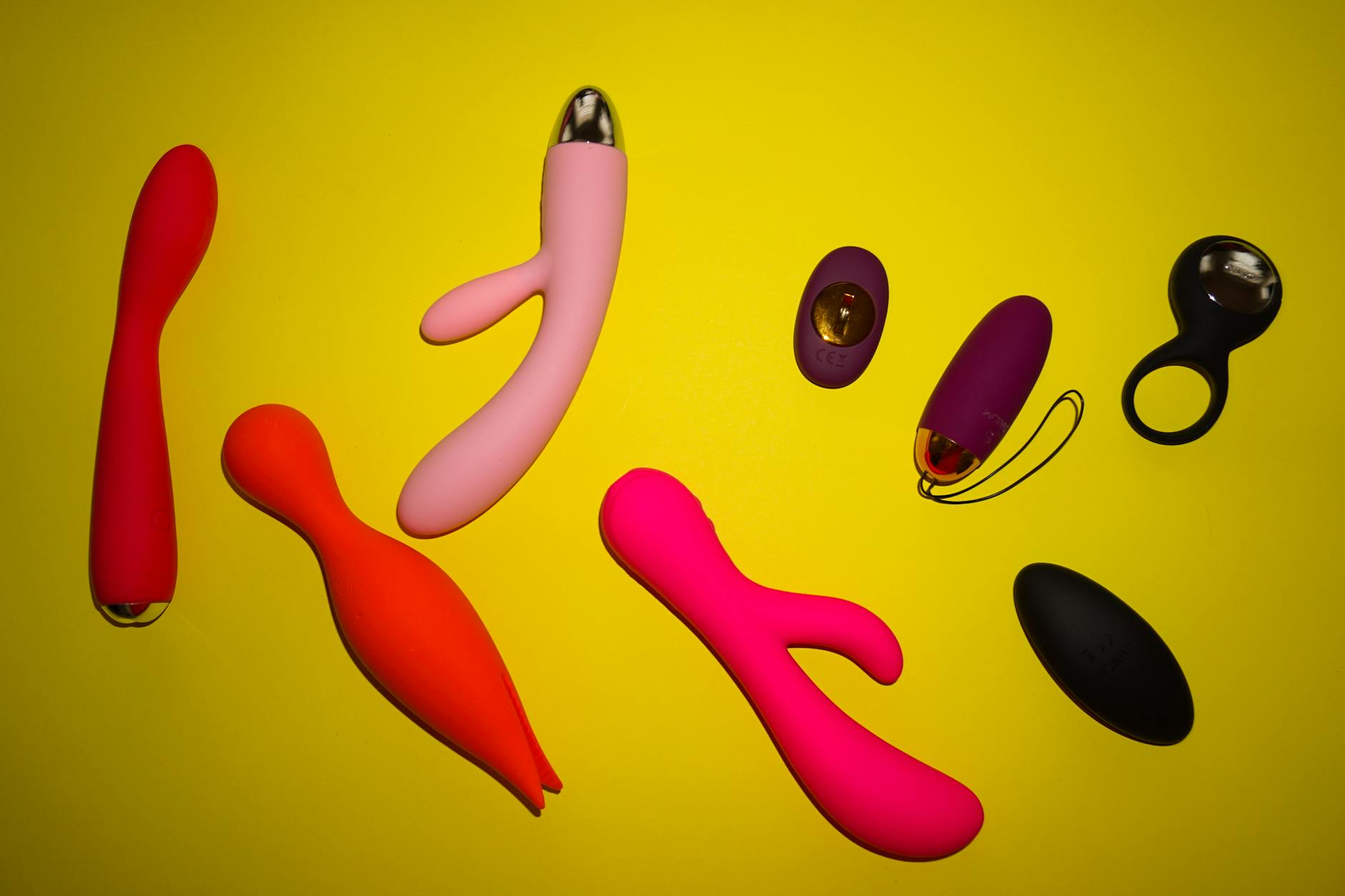
When the vibrator stops working
You've had your lemon vibrator for months. It's always worked. Then one day you start a new medication or switch birth control, and suddenly nothing happens. No tingling. No building sensation. No orgasm. You turn up the intensity on the Lem, try different patterns, add lube, give it time. Nothing shifts. The toy isn't broken. Your body is doing exactly what the medication told it to do.
This is sexual dysfunction from medication, and it's wildly common. Up to 60 percent of people on SSRIs report some form of sexual side effect. Hormonal birth control, blood pressure meds, antipsychotics, and a dozen other drugs can flatten arousal, numb sensation, or make orgasm mechanically impossible. The frustration isn't just physical. It's the loss of something you knew how to do.
What medication actually does to arousal
Think of sexual response as a chain. Desire comes first. Then blood flow increases, tissues swell, sensation sharpens, and the whole system primes for stimulation. Antidepressants, especially SSRIs like sertraline or paroxetine, interrupt this chain by raising serotonin and sometimes lowering dopamine. Higher serotonin can feel calming. Lower dopamine is the problem. Dopamine drives motivation, reward, and the pleasure pathway that makes orgasm feel like something worth wanting.
Birth control pills work differently. They suppress the hormonal surge that normally triggers arousal and makes tissues receptive to stimulation. Some people don't notice. Others feel like someone turned down the volume on their whole sexual system.
Both situations are real. Both are reversible. Neither means your lemon clitoral vibrator is useless forever.
The limits of vibration when medication is in the way
Here's the honest part. If dopamine is suppressed or arousal pathways are chemically muted, even the best clitoral vibrator has a harder time. The Lem uses precise suction patterns to target nerve endings and create stimulation that many people find more effective than traditional vibration. It's excellent technology. But technology can't override brain chemistry.
When you're on a medication that flattens pleasure signals, adding more stimulation sometimes makes things worse, not better. You can end up chasing sensation, turning up intensity, and feeling numb or even uncomfortable. This is not a reflection on you or on the toy. It's neurotransmitter suppression doing its job.
The lemon adult toys and lemon sexual toys market sometimes sells the fantasy that the right vibrator will solve everything. That's not how medication works. The vibrator is a tool. The medication is chemistry. You're dealing with both.
Three things that actually help while you're on the medication
First, talk to the doctor or psychiatrist who prescribed the medication. Not to apologize or minimize. To say clearly: this side effect is affecting my quality of life, and I want to problem-solve together. Good options exist. Switching to a different SSRI can help. Bupropion often has fewer sexual side effects. Taking the medication at a different time of day sometimes reduces the impact. Adding a second medication to counteract the sexual side effect is surprisingly effective and way more common than you'd think.
Second, separate pleasure from pressure. When a lemon vibrator stops producing orgasms, the instinct is to use it harder and longer, chasing the sensation you know it can create. This usually backfires. Instead, use lower intensities for shorter sessions. Focus on sensation, not outcome. If the Lem or any clitoral vibrator feels good for five minutes, that's the win. Stop there. This retrains your nervous system to feel reward in smaller increments, which can actually help dopamine sensitivity rebuild.
Third, add touch that doesn't rely on genital stimulation. Massage, kissing, full-body contact, temperature play. These activate different pleasure pathways. They also remind you that arousal isn't binary. You can feel good without feeling the specific sensation you're used to from your lem vibrator.
When the medication is the right call anyway
Here's something I see a lot in my practice. Someone starts an antidepressant. The medication saves their life. It quiets the anxiety or depression that's been suffocating them. But the sexual side effect is terrible, and they feel caught between two goods. Take the medication and lose sex. Skip it or stop it and feel mentally unwell.
This is a real tension. It's also not a binary choice, even though it feels like one.
Work with your prescriber on the dosage, timing, or combination that gives you the mental health benefit with the least sexual impact. This conversation takes time and trial. It's worth it. A dose adjustment, a medication swap, or an addition (like bupropion or buspirone) can sometimes preserve the benefit without flattening pleasure so completely.
If you do stay on a medication with sexual side effects, know this. The flatness often doesn't last forever. Some people find their sensitivity begins to return after three to six months on the same dose. Others don't. If it doesn't, then you're choosing between mental health and sexual pleasure, and you get to decide what trade feels right. That's not failure. That's wisdom.
The rebuilding phase
If you switch medications or adjust your dose and sensation starts to return, don't jump back to your old patterns immediately. Your system has been chemically muted for a while. Coming off that requires gentle restart.
Start with the lowest intensities on your lemon vibrator. Build up slowly. You might notice that patterns or settings that never worked before suddenly feel incredible. Your nerve sensitivity is recalibrating. Let it. Some people find that after a medication-induced flatness, they actually discover new favorite settings on their clitoral vibrator that they missed before.
Consider working with a sex therapist or intimacy coach if you have a partner. Medication side effects can create emotional distance even after the sexual side effect resolves. Rebuilding shared pleasure often needs more than a vibrator and a hope. It needs conversation and intentional reconnection.
When to see a specialist
If you've been off the medication for three months and sensation still hasn't returned, talk to a gynecologist or sexual medicine specialist. Sometimes medication-induced sexual dysfunction lingers, and there are treatments. Topical options exist for genital numbness. Therapy modalities like sensate focus can rewire arousal responses.
If sexual dysfunction happened without a medication change, that's worth investigating too. It can signal hormone imbalance, relationship stress, or something else that a healthcare provider should know about.
The broader picture
Your lemon vibrator is a tool. A really good one. But it can't do the work that your nervous system and endocrine system are meant to do. When medication changes that system, the vibrator feels broken even though it isn't. This frustration is valid. It's also temporary if you approach it with your doctor as a team rather than trying to vibrate your way through it alone.
Mental health is part of sexual health. Medication that saves your mind is allowed to shift your body's sexual response. And with the right support, that shift doesn't have to be permanent.