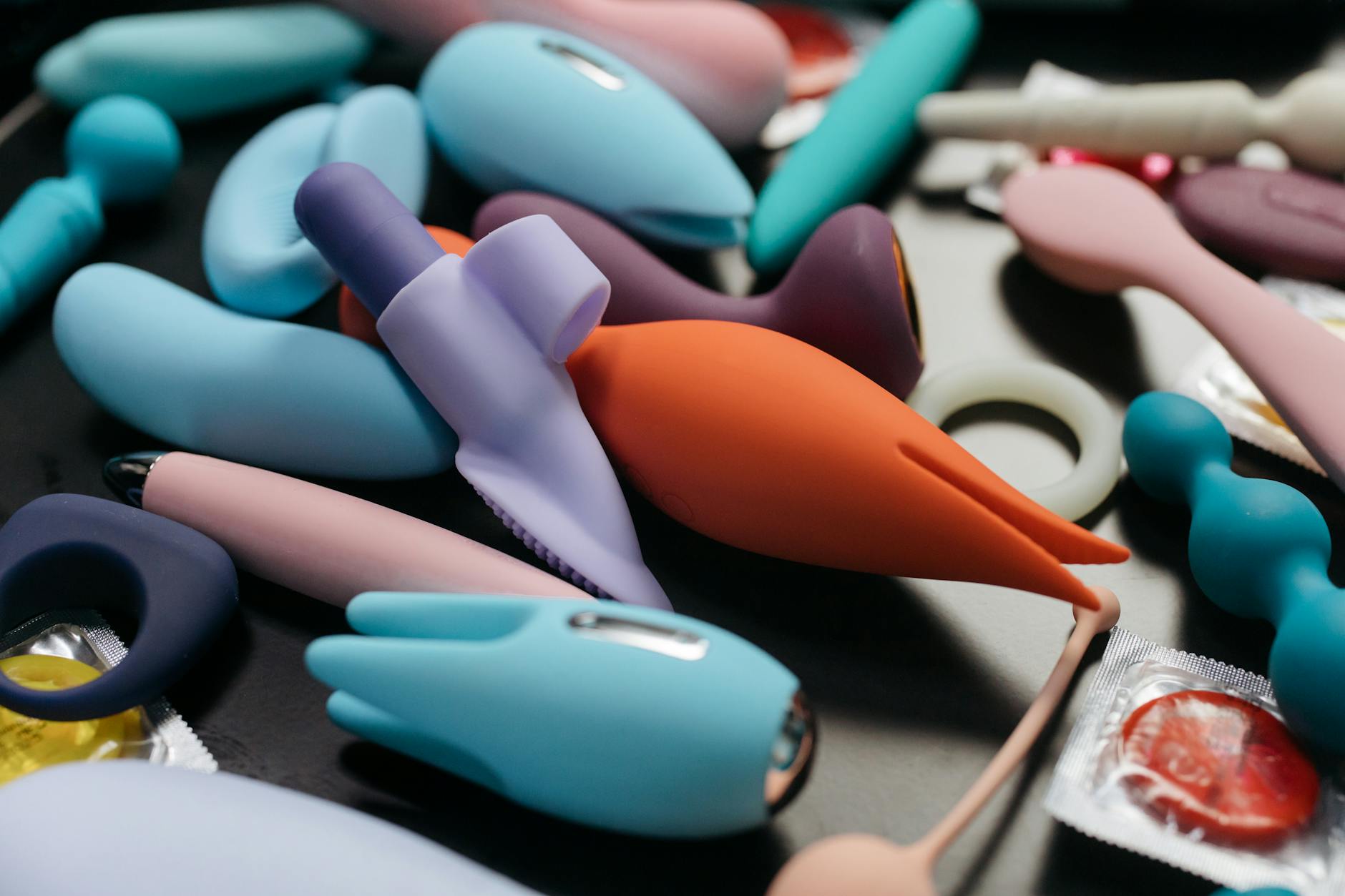
Let's stop pretending this conversation doesn't feel weird
You want to bring a lemon vibrator into your sex life with your partner. You know it would feel incredible. You also know that saying "Hey, I want to use a clitoral vibrator during sex" is somehow harder than actually having sex, which makes no sense except that it does.
Here's what I've learned from two decades of couples therapy: the awkwardness isn't about the toy. It's about what you think the toy means. You're worried it signals that something's wrong. That you're bored. That they're not enough. None of that is true. But until you untangle those feelings, the conversation stays stuck.
What you're actually afraid of (and why it matters)
Most people don't want to introduce lemon vibrators because they think it will feel like criticism. "If I say I want this," the logic goes, "they'll think I'm saying they don't satisfy me." That's the real block.
Here's the truth: pleasure is not a referendum on your partner's ability. A clitoral suction toy like the Lem doesn't replace what your partner does. It does something different. There's a biological reason for this. The clitoris has around 8,000 nerve endings, and air-suction technology stimulates them in a way that fingers, tongues, and penetration simply cannot replicate. It's not better or worse. It's a different sensory experience.
Once you believe that in your bones, you can say it out loud without it feeling like an attack.
Timing is everything. Choose your moment carefully
Don't introduce the idea mid-sex or while you're turned on. Also don't introduce it during conflict, when you're both tired, or during a task like cooking dinner. You're looking for a moment where both of you are relaxed, alone, with nothing else pressing.
The best window? After good sex, when you're still close but no longer actively aroused. You're both riding the oxytocin high. You're feeling connected. That's when you say it.
Other solid moments: a quiet car ride, lying in bed on a weekend morning, during an honest conversation about something else. Anywhere you'd naturally talk about other vulnerable stuff.
What to avoid: late night when one of you is already half-asleep, right after they've had a rough day at work, or when they're distracted by their phone. You want their actual presence.
The frame matters more than the words
Forget the phrase "I want to try something." Too vague. Too loaded. Too likely to trigger the "oh god, what now" response.
Instead, start with curiosity and specificity: "I've been reading about clitoral vibrators, and I'm really interested in trying one together. I think it could feel amazing for both of us."
Notice what's in that sentence. You're naming the thing. You're anchoring it to something you've actively researched (not a random fantasy). You're framing it as collaborative (together, both of us). And you're leading with pleasure, not mechanics.
If they ask why, the answer is simple: "Because I think it would feel incredible. And because I want to experience more pleasure with you." That's it. No justification. No defensive energy.
What if they say no, or they're weird about it
They might be. That's fair. Here's what that usually means: they need more time, more information, or they're carrying their own shame about sexuality. None of that is your failure.
If the response is lukewarm, don't push. Say: "I get it. We don't have to rush. But I'm genuinely curious, and I'd love to figure this out together whenever you're ready." Then let it rest.
If they're actively resistant, there's usually something underneath. Sometimes it's insecurity (the fear we talked about earlier). Sometimes it's different attitudes about sex or bodies. Sometimes it's religious or cultural conditioning. Those are real, and they deserve conversation, but not in the moment you're introducing the toy. That's a separate talk about values and intimacy.
If you're in a long-term partnership and you're hitting genuine resistance, this might be worth exploring with a couples therapist. Not because anyone's wrong, but because misaligned desires around pleasure often point to something bigger.
How to actually use lemon vibrators together
Once they're in, here's the practical part. Start slow. You don't need to go straight to full intensity or wild positions.
First time: use the lemon clitoral vibrator during foreplay, with your partner present and involved. They can watch. They can touch other parts of you. The point is that it's not a solo thing. You're including them in the experience.
Second time: experiment with when it enters the picture. Some people love it during penetration. Some prefer it during oral sex, with your partner using a lower intensity so they're not competing for attention. Some save it for after, as an extended finale.
Third time: let them hold it. This is huge. When your partner controls the toy, it shifts the dynamic completely. It's collaborative. It's intimate. It transforms from "I'm using this" to "we're doing this together."
If you're using a lemon adult toy that offers multiple settings, keep it in the low-to-medium range during partnered sex. High intensity can numb sensation and make it harder for your partner to feel their own experience. Save the top settings for when you're solo, or once you both understand what works.
The conversation that happens after
This is the one most people skip. Don't.
After you've used the lemon suction toy together, talk about it. Not in a clinical way. Just: "How did that feel? Did you like it? What would you change?" This is pillow talk, not a survey.
Then listen. Your partner might say it was amazing. They might say it felt weird or uncomfortable. They might ask questions. All of that is data that helps you both move forward.
If it was good, you have a baseline to build on. If it wasn't, you know you need to adjust timing, intensity, positioning, or pace.
And here's the thing that surprised most of my clients: this conversation itself deepens intimacy. You're talking openly about pleasure. You're tuning into each other's experience. That's the opposite of killing the mood. That's building actual connection.
One more thing: it's okay to want this for yourself
I want to circle back to something. You don't need your partner's validation to want a clitoral vibrator. You don't need permission. Your pleasure is yours.
If you want to use a lemon vibrator solo, that's complete in itself. If you want to introduce it to partnered sex, that's different, and it deserves the conversation. But the baseline is this: your body, your orgasm, your choice.
Sometimes naming that truth is what actually opens the conversation. When your partner knows you're not asking for approval, just sharing something you care about, the dynamic shifts. Suddenly it's not threatening. It's inviting.
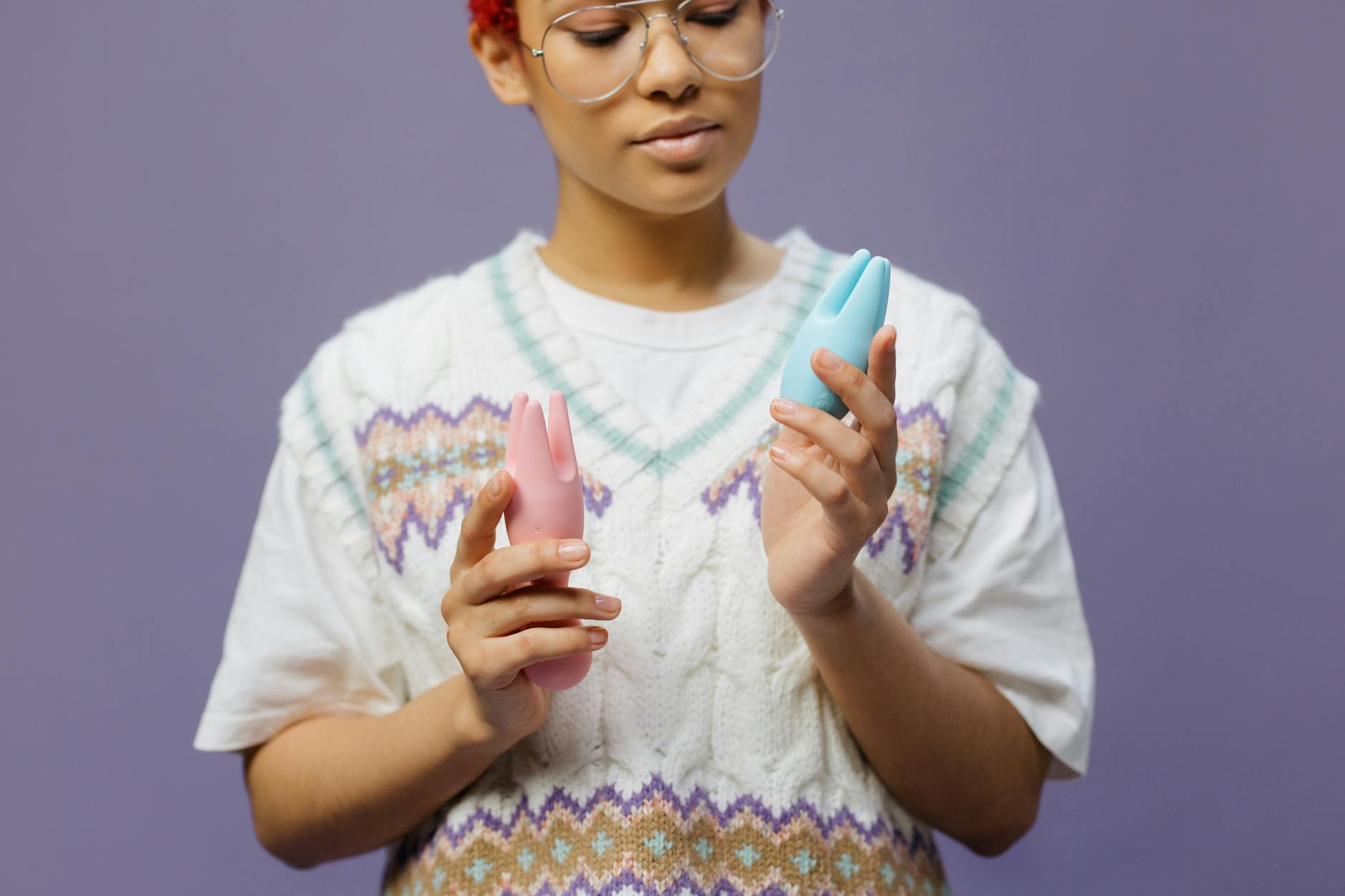
Photo by cottonbro studio on Pexels
Common questions about lemon vibrators and partnered play
What if my partner feels threatened by the toy?
That reaction usually stems from insecurity, not the toy itself. The best move is to separate the two issues. Say: "I love what we have. This isn't about replacing anything. It's about adding to what feels good." Then actually show them. Use the lemon clitoral vibrator together so they see it's collaborative. If the anxiety persists, individual or couples therapy can help unpack where it's coming from.
Can we use a lemon adult toy if my partner has low libido?
Sometimes. A clitoral suction vibrator might actually help, because it requires less stimulation from them and creates faster arousal, which can help if one partner needs more time to get interested. But if the low libido is about desire mismatch or relationship issues, the toy won't solve that. Address the root cause first.
Is it weird to use a lemon vibrator during penetration?
Not at all. Many people love it. The vibrator stimulates the clitoris while penetration happens, which can create a richer, more full-bodied sensation. Start with lower settings so you're not numbing yourself. And communicate with your partner about pace and pressure. What feels good to you might feel uncomfortable for them if they're inside you.
How do I know if my partner actually wants to use it or just agreed to make me happy?
Ask. Directly. After you've used it together: "Did you actually enjoy that, or were you doing it for me?" If they seem hesitant, slow down. You want enthusiastic participation, not duty sex with a toy attached.
Should we buy a toy together or should I surprise them with one?
Together is better. Shopping for a lemon vibrator as a couple removes mystery and shame. You both see the options. You can talk about what appeals to you. And when it arrives, you're both already excited. Surprises sound romantic but often land as presumptuous.
What if we try it and it just doesn't work for us?
Then it doesn't. Not every tool works for every couple. That's not failure. That's information. You now know that clitoral vibrators aren't your thing, which is perfectly fine. Plenty of couples have amazing sex without toys. The point was to try together, and you did.
The real ending
Introducing a lemon vibrator to your partnership isn't about the device. It's about permission. Permission to want more pleasure. Permission to ask for what feels good. Permission to explore together instead of pretending you already know everything.
That conversation might feel awkward for 30 seconds. But on the other side of it is a partner who knows what you want, sex that feels deeper because you're actually communicating, and the knowledge that your pleasure matters enough to talk about.
If you're still nervous about how to bring this up or how to navigate the dynamics in your relationship around intimacy, reach out to us. We're here to help.