Here's what nobody tells you about sex after having a baby
Your body changed. Your identity shifted. Your partner might be someone who watches you sleep instead of someone you sleep with. And somewhere in that fog of newborn survival, the question creeps in: will this ever feel good again?
The answer is yes. But the timeline is messier than anyone tells you, and rushing it makes everything worse.
The physiological reality of postpartum recovery
Your pelvic floor went through something significant, whether you had a vaginal delivery or a caesarean. Tissue that was stretched, or incised and stitched, or both, needs time to rebuild strength and sensation. Lochia (bleeding) lasts about six weeks. Hormones that were working overtime drop sharply, triggering everything from mood shifts to vaginal dryness. Prolactin, the hormone that helps you produce milk, also suppresses estrogen and can tank libido for months or longer if you're nursing.
Your care provider will likely clear you for penetrative sex around six weeks postpartum. That's a minimum, not a finish line. Tissue may be healed enough structurally to not tear again. Emotionally and sensorially, you might not be anywhere close.
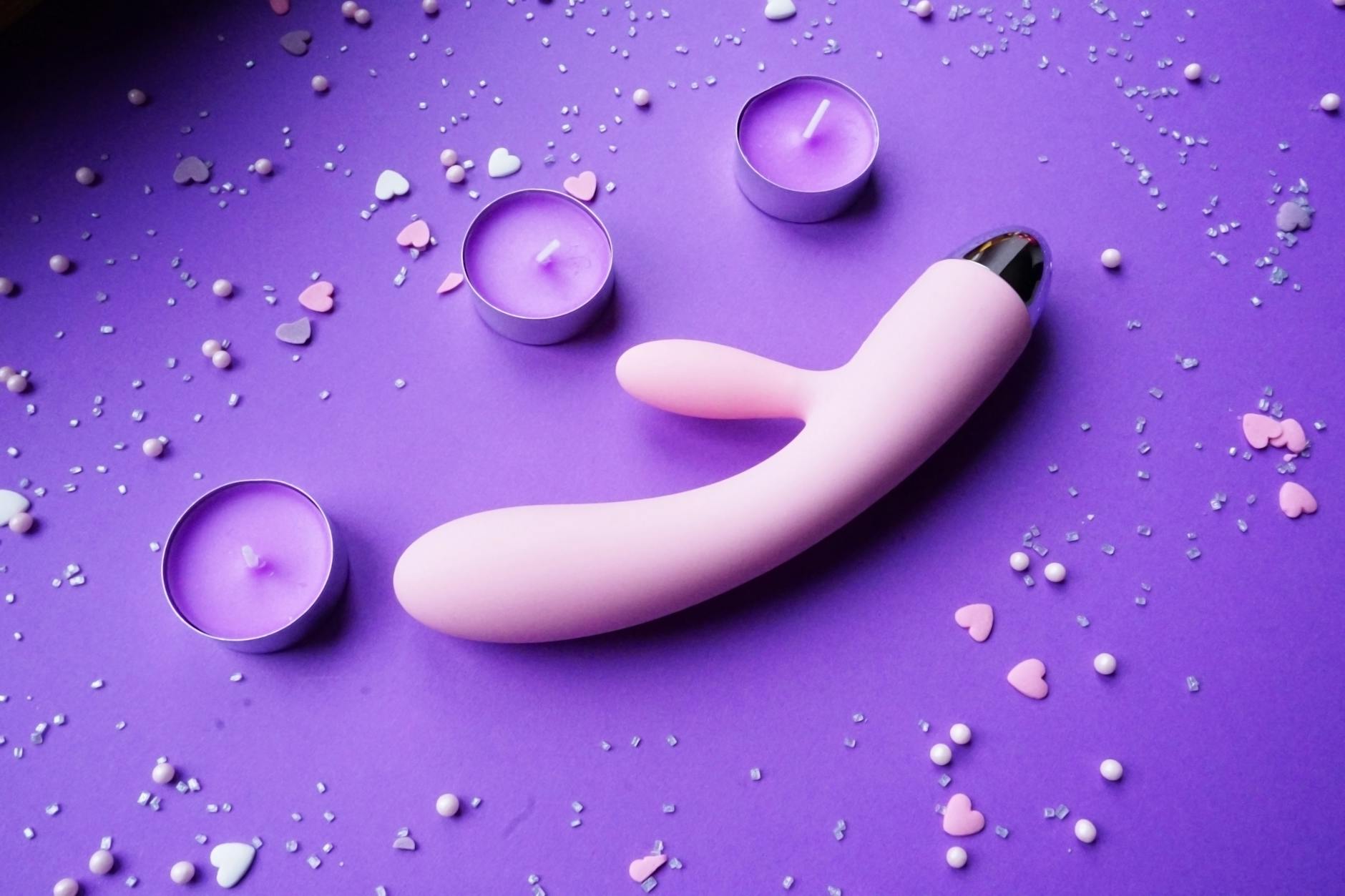
The gap between "medically cleared" and "actually ready" is where most postpartum couples get stuck. Lemon clitoral vibrators can bridge that gap, but only if you're using them at the right moment and with the right expectations.
When lemon vibrators are safe postpartum
Wait until bleeding has completely stopped. Not mostly stopped. Completely. That's usually eight to twelve weeks for most people. Lochia and penetrative stimulation, even gentle suction, create an infection risk that's not worth testing.
Once lochia is done, start with external stimulation only. A lemon sucker vibrator like the Lem is perfect because it works entirely outside the vaginal canal. No insertion, no pressure on healing tissue inside. Clitoral tissue heals differently than internal tissue and is often ready for gentle stimulation sooner. External-only pleasure also sidesteps the infection risk entirely.
Listen to your body, not a timeline. If external stimulation feels uncomfortable at three months, wait. If it feels good at eight weeks, that's fine too. Pain is the stop sign. Discomfort is worth pausing on. Numbness or deadness, which some people experience from nerve pressure during pregnancy and birth, often improves with gentle stimulation over time, but that also isn't something to force.
How to actually start using lemon vibrators postpartum
First time back: external, low intensity, short session. Set aside maybe ten minutes. Use your favorite water-based lubricant. Your natural lubrication might be lower than before, especially if you're nursing, so lubrication matters more than it did pre-pregnancy.
Start with the lowest setting on your lemon vibrator. The Lem and other clitoral vibrators from Hello Nancy have a pattern dial that lets you begin gently. Many people find that postpartum sensation is heightened in some areas and dampened in others. You might be more sensitive than before, or less. The only way to know is to explore slowly.
Stop if anything hurts. Pressure, burning, sharp pain, or throbbing that doesn't ease within a few minutes means your tissues need more time. That's not failure. That's your body sending useful information.
If it feels okay, you might not orgasm. You might not even feel close. That's normal. Postpartum neurochemistry is in flux. You're likely sleep-deprived, which tanks arousal. You might be touched out from a baby who's been on you all day. Your brain might be running a background thread of worry that interrupts pleasure. All of that is temporary. Pleasure will return. It just doesn't follow a schedule.
Managing the mental part (which matters more than the physical part)
Here's what I see most often in my practice: couples approach postpartum intimacy like a problem to solve. They set a date. They plan it. They treat it like a project.
That approach tanks desire almost every time.
Your brain needs to feel safe, present, and unstressed for pleasure to show up. Postpartum, you're likely running on fumes, your body feels unfamiliar, and there's a small human screaming in the other room. That's not a recipe for arousal.
Start smaller. Use a lemon clitoral vibrator alone, when your partner is taking the baby, when you have thirty uninterrupted minutes. This isn't foreplay toward couple sex. It's a conversation between you and your own body. You're learning what feels good now, not before. That's a radically different project.
If you want to include your partner, that conversation needs to happen outside the bedroom first. "I'm thinking about reconnecting with pleasure, and I'd like to take this slowly" is very different from "I'm ready to have sex again." One opens the door to exploration. The other sets an expectation that might not land yet.
Expect the emotional landmine
Postpartum isn't just physical recovery. You might feel disconnected from your body. You might have intrusive thoughts during pleasure. You might feel guilty for wanting something for yourself when the baby needs so much. You might grieve the body you had, or mourn the ease of spontaneous desire that's gone.
All of that is grief, and grief needs acknowledgment, not a vibrator.
If you're struggling with postpartum depression or postpartum anxiety, pleasure usually doesn't return until those conditions are treated. Antidepressants help. Therapy helps. A lemon vibrator doesn't. If you're in that space, get support first. Pleasure can wait.
If you're processing birth trauma, a vibrator might reactivate that trauma if the stimulation feels anything like the birth experience. Work with a trauma-informed therapist before trying to reconnect sexually, even solo.
The relationship piece
Your partner is also recovering. If they were present at the birth, they might be processing what they saw. They might feel like they got you back just as a person, not as a partner. They might be unsure how to navigate the fact that your body works differently, or that you might not want to be touched for a while after being touched constantly by a baby.
Use a lemon clitoral vibrator conversation to open up a bigger conversation. "I want to feel sexy again, but I need it to be on my terms, in my time" is useful information. "I need you to help with nighttime duties so I can have uninterrupted time to reconnect with myself" is a concrete ask. "Let's not make sex a goal right now, but let's stay close in other ways" sets a realistic boundary.
The couples who navigate postpartum intimacy best aren't the ones who rush back to sex. They're the ones who stay curious about each other's experience and patient with the rebuild.
The timeline nobody warns you about
Some people feel ready for partnered sex by four months postpartum. Some take a year or longer. Some find that their desire never fully comes back, or shows up differently than it did before. None of those outcomes are wrong. Your body post-baby might be a different body, with different needs and different capacity for pleasure. That's not a loss. It's just different.
Lemon vibrators and other clitoral vibrators can be part of rebuilding pleasure because they let you explore at your own pace, without the pressure of performing for someone else or meeting an external timeline. But they're a tool, not a solution. The solution is time, patience, good information, and compassion for your own recovery process.
You deserve pleasure. You also deserve to take the time you need to get there. Both things are true.
People also ask
Can I use lemon vibrators while breastfeeding?
Yes, as long as you've cleared the lochia-bleeding phase and your healthcare provider has cleared you for any vaginal activity. The hormone dynamics of breastfeeding might lower your natural lubrication and libido, but using a clitoral vibrator externally doesn't affect milk supply or baby health. What might affect desire is exhaustion and the sensory overload of being touched all day. Solo exploration with a lemon vibrator is often easier than partnered sex because you can do it on your own schedule and with full autonomy over intensity.
Is it normal to feel numb or disconnected during postpartum pleasure?
Completely normal. Pregnancy and birth compress and stretch pelvic nerves. Sometimes sensation takes weeks or months to fully return. Numbness often improves with gentle, regular stimulation. If numbness persists beyond six months postpartum, talk with your healthcare provider to rule out nerve damage that might need physical therapy. In the meantime, using a lemon sucker vibrator at low intensity can help wake up nerves without overwhelming them.
What if I don't feel ready for any kind of sexual stimulation for over a year?
That's not a problem. Some people don't feel emotionally or physically ready for pleasure of any kind during the first year of parenthood. If depression, anxiety, or relationship strain is part of it, getting support from a therapist who specializes in postpartum issues is more important than trying to force desire. If it's purely that your bandwidth is full and sex doesn't feel important, that's also fine. Pleasure is a want, not a need. When you're in survival mode, it's okay to table it.
Are lemon vibrators better than other vibrators for postpartum recovery?
Clitoral suction vibrators like the Lem work well postpartum because they provide stimulation without direct friction, which can feel too intense on newly healed or newly sensitive tissue. The pattern settings let you start very gently. That said, every body is different. Some people find that traditional vibrators work fine once they're past the bleeding phase. The best vibrator is the one that feels good to you. Start with what sounds appealing, keep lubrication handy, and adjust intensity based on how your body responds.
When is it safe to have partnered sex after having a baby?
Medically, six weeks is often the green light. Realistically, anywhere from three months to a year or longer is normal. The gap between "medically safe" and "emotionally ready" matters more than anyone tells you. If you're feeling pressure to get back to couple sex before you're actually interested, that pressure is the real problem. Slow down. Use solo time with a lemon clitoral vibrator to reconnect with your own pleasure first. Partner sex will feel better when you actually want it, not when you think you should.
What if my partner wants sex and I'm not ready?
That mismatch is common and fixable, but only if you talk about it clearly. "I'm not ready for penetration yet, but I'd like to stay connected" opens the door to other forms of intimacy. Maybe that's partnered time with a lemon vibrator where your partner is present but the focus is entirely on your pleasure and comfort. Maybe it's nonsexual touch. Maybe it's just honesty about where you are. What usually doesn't work is silence, resentment, or forcing yourself into sex you don't want. That breeds disconnection. Conversation, even awkward conversation, breeds connection.
You're not behind. You're exactly where you need to be.
Postpartum recovery isn't linear, and it's not a race. If you're curious about using lemon vibrators or other clitoral vibrators as part of reconnecting with pleasure, know that it's completely safe and often really helpful. But only if you're doing it for you, on your timeline, without external pressure.
Your body created or grew a human. It's okay if that body needs time to remember how to feel sexy. It will. You've got this.