Why Lemon Clitoral Vibrators Feel Weaker During Low Dopamine Periods
Here's the frustrating bit
You pull out your lemon vibrator. You've used it a hundred times. It's worked beautifully every single time. Today, it feels like nothing. Not uncomfortable, not painful. Just... absent. Like you're touching yourself through a wall of glass.
Your first thought: the toy is broken. Your second thought: something's wrong with you. Both are wrong.
The dopamine-pleasure connection
Let's back up. Pleasure isn't just about what you're physically feeling right now. It's about your brain's expectation of reward. Dopamine isn't the pleasure chemical itself. It's the anticipation chemical. It fires before you feel good, priming your system to register sensation as rewarding.
When dopamine is low, two things happen:
- Your brain is less responsive to stimulation, including genital stimulation.
- Your body produces less natural lubrication and takes longer to become aroused, even when the lemon clitoral vibrator is doing exactly what it always does.
This is why clitoral vibrators, including suction toys like Hello Nancy's Lem, can feel aggressively underwhelming during dopamine crashes. The toy isn't weaker. Your reward circuitry is dimmed. Your nervous system is less primed to translate sensation into pleasure.
What actually causes dopamine crashes
You don't need depression to experience a significant dopamine dip. Here's the list most people don't think about.
Obvious ones: depression, anxiety disorders, long-term stress, sleep deprivation, seasonal affective disorder.
Less obvious: strict dieting, intense caloric restriction, overtraining without recovery, grief, burnout, monotony (yes, doing the same job in the same space for years can flatten dopamine), chronic pain, autoimmune flares.
Medication-related: SSRIs, some blood pressure meds, antihistamines, corticosteroids, hormonal birth control (for some people), stimulant withdrawal.
Behavioral: doom-scrolling and social media use (they spike dopamine, then crash it hard), binge-watching, gambling, pornography overuse. The dopamine elevation followed by the crash trains your brain to expect higher and higher hits before registering reward.
The lemon vibrator feels weaker because your brain chemistry isn't cooperating. That's actually valuable information.
The paradox of reaching for more intensity
When a lemon clitoral vibrator starts feeling weak, the instinct is to turn up the suction, increase the pattern intensity, or grab a stronger traditional vibrator. I see this constantly.
But here's what happens next: you're asking an already-depleted dopamine system to register even higher stimulation as pleasurable. You end up chasing a feeling you can't catch. You burn out the toy. You exhaust yourself. And you start believing you've lost your capacity for pleasure.
You haven't. Your dopamine has.
Pushing harder is the worst possible move when dopamine is low because it trains your reward system to need even more stimulation to register anything at all. This is how people end up with genuine desensitization, not from the toy itself, but from fighting their own brain chemistry.
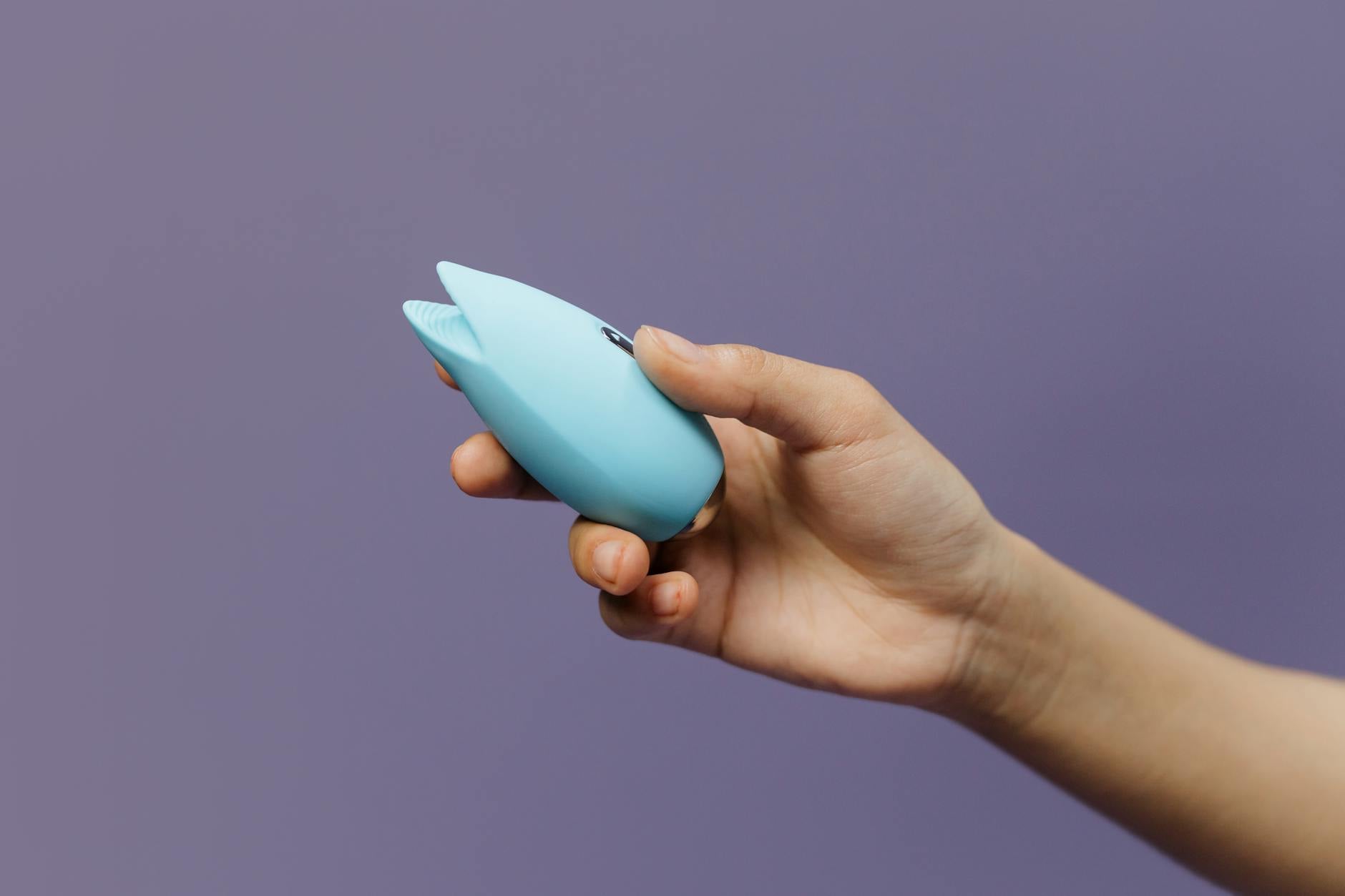
Photo by cottonbro studio on Pexels
How dopamine actually recovers
You can't willpower your way out of a dopamine crash. But you can create the conditions for it to rebuild. This is where most advice falls apart because it's too vague. Here's what actually works.
Sleep, ruthlessly prioritized. Not just enough sleep. Early sleep, consistent sleep. Dopamine production happens during deep sleep. If you're sleeping five hours and wondering why your lemon vibrator feels like cardboard, this is the answer. Shift nothing else. Just sleep more.
Movement, not exercise. There's a difference. A thirty-minute walk outside, no earbuds, no phone, does more for dopamine recovery than an intense workout that depletes you further. Walking increases dopamine production and doesn't trigger the depletion that follows hard exercise when you're already crashed.
Novelty in small doses. Dopamine responds to newness. A new environment, a new routine, a conversation with someone you haven't seen in months. Not big life changes. Small, concrete, unfamiliar experiences. Your lemon vibrator feels boring partly because everything feels boring. This doesn't mean exploring new patterns on your toy. It means taking a different route to the grocery store.
Reduce behavioral dopamine hacks. If you're on your phone three hours a day, checking social media constantly, watching content on loop, your dopamine baseline is wrecked. I'm not saying quit everything. I'm saying reduce the dopamine-spiking behaviors so your nervous system can recalibrate. This takes about three to four weeks to show real results.
Eating enough, especially protein and nutrients. Dopamine synthesis requires tyrosine, iron, B vitamins, folate. If you're restricting calories or skipping meals, you're literally missing the building blocks for dopamine. This isn't motivation. This is chemistry.
What to do with your lemon vibrator while you're recovering
Here's the part nobody wants to hear: you might need to take a break from it.
Not forever. But when dopamine is genuinely depleted, using a lemon clitoral vibrator and finding it completely unhelpful can actually reinforce the belief that you've broken something. You haven't, but your brain starts to believe it. That belief compounds the dopamine crash.
Instead, try this: explore sensation without the pressure of arousal. Use your lemon vibrator at low intensity, focused on the physical sensation itself rather than the goal of orgasm. Don't use it to chase pleasure. Use it to feel your body. Some people find that low-intensity suction feels almost meditative when they're not demanding it to deliver pleasure.
Alternatively, focus on non-genital touch. Massage, skin-to-skin contact with a partner, warm baths. These rebuild dopamine without the performance pressure of a toy.
When to suspect something else is happening
If your dopamine recovery strategies are in place for six weeks and clitoral vibrators still feel completely absent, or if this coincided with starting a new medication, talk to your doctor. Some medications genuinely flatten arousal in ways that lifestyle changes won't fix. That's not permanent. It usually means a dose adjustment or switching medications. It's worth naming directly.
Similarly, if this feels like depression beyond low dopamine, if you've lost interest in things you used to love across the board, that's a signal to reach out to a therapist or psychiatrist. Pleasure changes are often early warning signs of depression. Addressing the underlying condition addresses the pleasure issue too.
FAQ
Why do lemon vibrators specifically feel different during dopamine crashes?
Clitoral suction toys like the Lem are highly dependent on your nervous system being primed for sensation. They work by creating a specific kind of stimulation that your brain has to recognize as pleasurable. When dopamine is low, your brain's reward pathways are muted. You can feel the suction mechanically, but it's not translating into pleasure the way it normally does. Traditional vibrators can sometimes feel stronger during dopamine crashes simply because they work through pure mechanical force, but the pleasure component is equally muted.
Can dopamine crashes cause permanent changes to how lemon clitoral vibrators feel?
No. Once dopamine recovers, sensation returns to baseline. Some people report that pleasure feels even richer after recovery because they're more aware of their dopamine state. The nervous system isn't permanently altered. It's temporarily dimmed.
How long does it take for dopamine to recover enough to enjoy a lemon vibrator again?
If you're addressing the root cause (sleep, reducing phone time, movement, eating enough), most people notice a shift within two to three weeks. Significant recovery usually takes six to eight weeks. If the dopamine crash is tied to depression, medication, or a serious stressor, recovery might take longer and might need professional support.
Can I use a lemon clitoral vibrator more frequently to rebuild dopamine sensitivity?
No. Using it more often while dopamine is low actually makes it worse. You're creating negative associations with the toy and reinforcing the sense that pleasure is broken. Less frequent use, with lower intensity and no performance expectation, is the way to go during recovery.
Does dopamine affect arousal differently for people with different body types or ages?
Dopamine affects arousal regardless of body type. Age can change how dopamine responds to stimulation, especially after menopause or during midlife hormonal shifts, but the dopamine-pleasure connection is universal. A 25-year-old and a 55-year-old both experience flattened arousal during dopamine crashes. The difference is what causes the crash in the first place.
What if I've tried everything and my lemon vibrator still feels weak?
If lifestyle changes, sleep, and reduced screen time haven't shifted things after eight weeks, this might be medical. Talk to your doctor about whether medications, thyroid function, hormone levels, or ongoing depression might be involved. Sometimes what feels like a dopamine issue is actually a vitamin deficiency, thyroid problem, or medication side effect that needs professional diagnosis.
The bottom line
Your lemon vibrator isn't weak. Your dopamine is. And dopamine is fixable. It requires you to do unsexy things like sleep more, move gently, and stop scrolling. It requires patience. But it's not permanent, and it's not something you've broken.
If you're in a dopamine crash right now, be gentle with yourself and your toys. Recovery starts with acknowledging what's actually happening, not with reaching for stronger stimulation. Once your reward system comes back online, your Hello Nancy lemon clitoral vibrator will feel like itself again.
In the meantime, if you're struggling with this and want support navigating pleasure, relationships, or the mental health side of sensation changes, I'm here to help. Reach out at /contact.