The thing nobody says about long-term partnerships
After ten years together, fifteen years, twenty. After kids, career pivots, grief, health crises. After nights you didn't talk, months you barely touched, seasons where the person next to you felt like a roommate instead of a partner. The desire comes back. Not the same way it arrived in year two. But it comes back, and it's different. Better, sometimes. Harder to access, usually.
When couples reconnect, most try to pick up where they left off. They assume the same rhythm, the same settings, the same kind of touch that worked before. And then they're both frustrated because nothing lands quite right anymore.
What actually changes in long-term relationships
Your nervous systems have recalibrated. Not broken, recalibrated. After years of lower-frequency intimacy, your body's arousal threshold shifts. The anticipation that used to build over hours now takes longer to ignite. Your partner's familiar touch sometimes feels like the opposite of arousing. Familiarity, when mixed with emotional distance, can actually create arousal resistance.
Your brain chemistry has also shifted. If there's been conflict, resentment, or just plain disconnection, your dopamine pathways for that specific person have weakened. That's not judgment. That's neurology. Dopamine is the reward chemical. If your nervous system learned that intimacy with this person led to hurt or disappointment, it will protect you by dampening the response.
And here's the part most people miss: your clitoris has not changed. Your capacity for orgasm has not changed. Your ability to feel pleasure is exactly where it was. What's changed is the context, the nervous system state, and the pathway to access it.
Why lemon vibrators change the equation
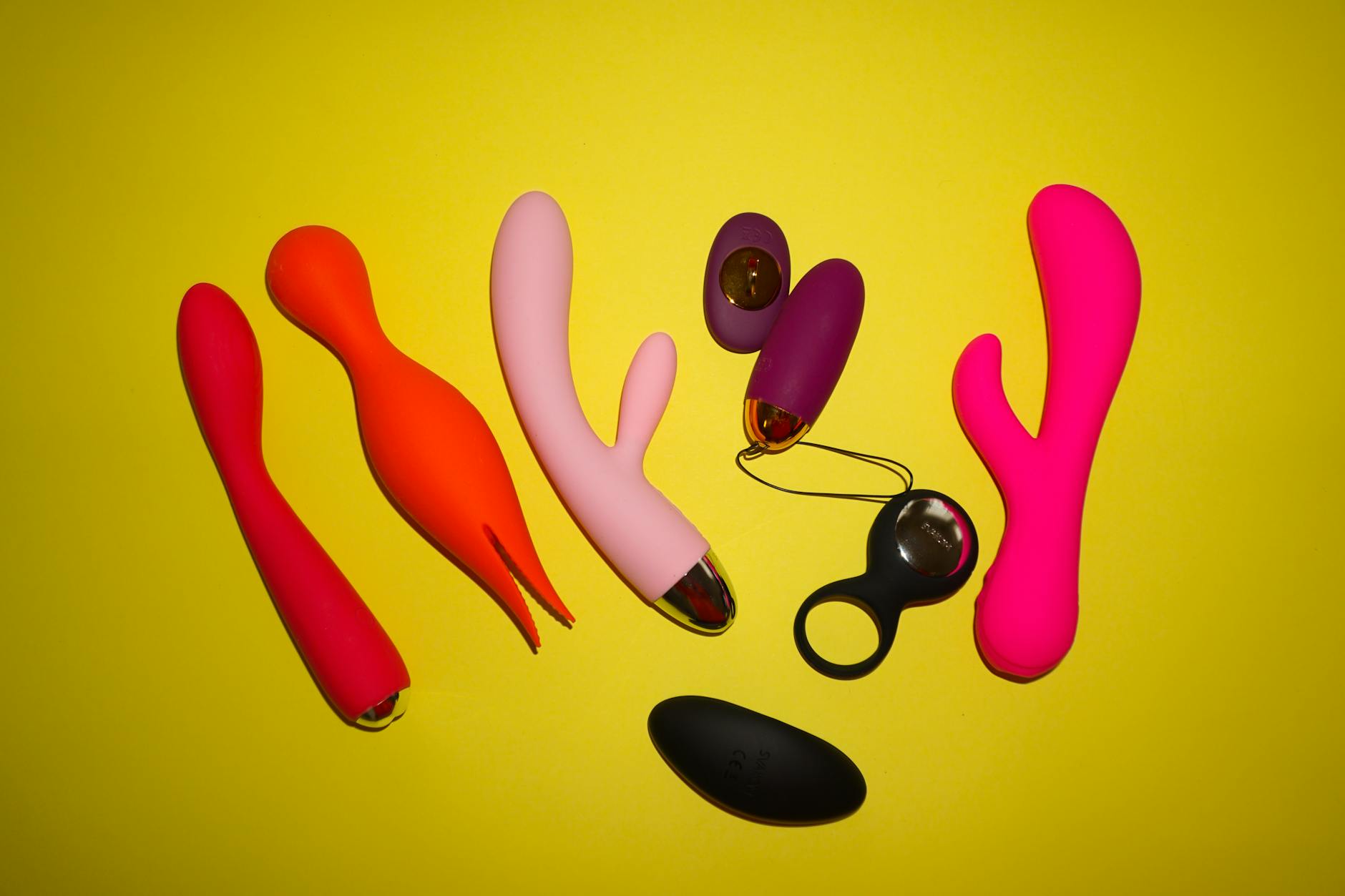
Lemon clitoral vibrators, like those in the Hello Nancylem Shop collection, work differently than traditional vibrators because they use suction instead of buzzing. This distinction matters enormously when you're rebuilding after a long-term shift.
Suction stimulates the external clitoris and internal clitoral body simultaneously without requiring the kind of direct friction that can feel overwhelming or clinical after years of disconnection. It's like waking up a system that's been in low power mode, gently, from the inside out.
When a partner watches their long-term love rediscover their own pleasure through a lem vibrator or similar clitoral suction toy, something shifts. It breaks the pattern of "both of us need to perform." Instead, it becomes "I get to watch you feel good." That voyeuristic safety can actually reignite desire in the watching partner because they're no longer responsible for the outcome.
The solo pleasure bridge that reconnects couples
I work with couples where the relationship has been sexless or low-contact for years. The pressure to immediately resume partnered sex is crushing. Both people are performing. Both people are anxious. Both people fail.
When I suggest that each partner spend 2-3 weeks exploring their own pleasure solo, using lemon sexual toys or other tools that feel right, the resistance is real. "Won't that make us more separate?" No. It does the opposite.
Solo exploration with a lemon clitoral vibrator teaches your nervous system that pleasure is still available to you. It reminds your body what arousal feels like. It quiets the performance anxiety because there's no one to perform for. And when both partners are doing this independently, they're rebuilding their own sensory pathways while also building a kind of erotic parallel life.
Then, when they come back together, they're not trying to resurrect something that died. They're two people who recently remembered they like to feel good, sharing that with each other. The temperature of the room changes completely.
How to actually use a lemon vibrator in this scenario
Start alone, genuinely alone. No partner in the house, no pressure. Get the settings right for you. Most people discover that the gentler suction patterns (settings 1-3 on a lem vibrator) are the entry point. Rushing to intensity is where people abandon ship.
Spend at least a week here. Maybe two. The goal is not orgasm. The goal is "oh, I remember what that feels like." Once your nervous system recognizes the sensation, arousal often rebuilds naturally.
Once you're comfortable alone, bring your partner into the room. Not to participate, at first. Just to witness. Let them see you find your own pleasure. This sounds intimidating. Most people say it's wildly erotic. The vulnerability of being watched while pleasuring yourself, safely, can rewire how both partners experience each other's desire.
Only after that does partnered use make sense. And when it does, a lemon clitoral vibrator or similar suction toy between partners becomes a shared language instead of a lonely tool.
The research backs this up
Studies on couples who've experienced periods of sexual disconnection show that reintroducing pleasure (for either partner) independently first dramatically increases the success of reconnection. The pressure drops. The neurochemistry shifts from cortisol (stress) back toward dopamine (reward). When both partners are experiencing their own arousal again, they're in a completely different nervous system state.
Lemon sexual toys, specifically suction-based designs, are particularly effective for this population because they work with the body instead of against it. There's less judgment involved. No comparison to what "should" happen. Just sensation, present tense.
The emotional piece (the part that actually matters)
After years of disconnection, reconnection is not actually about the vibrator. It's about permission. Permission to want something. Permission to feel good. Permission to ask for it. A lemon clitoral vibrator becomes a physical representation of that permission.
When your long-term partner supports you using one, or when you watch them discover their own pleasure through it, you're both saying something without words: "I want us to both feel good. I want you to want this. I want to want this too."
That's not small. That's everything.
When to expect the shift
Don't expect instant results. The first time you use a lemon vibrator after months or years of low contact, your nervous system might not cooperate. That's normal. Your body is cautious. Give it grace.
Most couples I work with see a real shift in 3-4 weeks of consistent solo exploration. That doesn't mean daily use. It means regular, pressure-free time to reconnect with your own sensations. Then, when partnered intimacy returns, both people are in a different neurochemical state. Dopamine is rebuilding. Anticipation has room to grow again.
One thing to know about reconnection
Your partner might be scared. Scared that you'll want more than they can give. Scared that their own desire won't match yours. Scared that the disconnection means the relationship was always fractured. None of those fears mean the reconnection won't work. They usually mean it matters to them. Hold that.
And get curious about what your partner's pleasure looks like now. Years may have changed their arousal map. A lemon clitoral vibrator that feels perfect for you might feel completely different for them. That's not a failure. That's data. That's the beginning of actually knowing each other again after the distance.
FAQ
Can using a lemon vibrator alone actually improve partnered sex?
Yes. Solo pleasure rebuilds your nervous system's capacity for arousal, which directly transfers to partnered intimacy. When you rediscover your own pleasure through lemon adult toys or other tools, you're no longer dependent on your partner to create that feeling. This actually reduces pressure on both of you and makes partnered sex feel chosen rather than obligatory.
What if my partner is jealous of me using a vibrator?
That jealousy usually masks fear. Fear that they're not enough, or that you'll prefer the vibrator to them. The truth is more complex: a lem vibrator or lemon clitoral vibrator can offer consistent, predictable sensation that no partner can replicate. That's not a threat. That's a tool. If your partner's jealousy is blocking reconnection, that's a sign you might benefit from a few sessions with a couples therapist to untangle what the jealousy is really about.
How is a suction-based lemon vibrator different from a traditional vibrator for long-term couples?
Suction stimulation feels less mechanical and more like a natural response. After years of disconnection, traditional vibrators can feel clinical or jarring. Lemon sexual toys use suction, which tends to feel more intimate and less like a buzzing tool. The sensation is also more localized and gentle on sensitive tissue, which matters if you've been low-contact for a long time.
Is it normal for arousal to feel completely different after years of disconnection?
Completely normal. Your entire nervous system recalibrates based on your lived experience. If the last five years were stressful, your body learned to protect itself. If intimacy felt unsafe or pressured, your nervous system may have dampened your arousal response. This isn't permanent. But it takes time and safety to rebuild.
Should we explore a lemon clitoral vibrator together or separately first?
Always separately first. Solo exploration removes the pressure to perform or respond a certain way. Once both partners have independently rebuilt their own relationship with pleasure, bringing toys into partnered sex feels collaborative instead of desperate. Most couples find that solo exploration first actually strengthens their connection because it removes the weight of expectation.
What if reconnection doesn't work?
Connection is not guaranteed, and sometimes long-term disconnection reveals deeper incompatibility. A lemon vibrator or any tool cannot fix a relationship that's fundamentally broken. But it can help you discover whether the disconnection was circumstantial or structural. If you've given solo and partnered exploration genuine time and nothing shifts, that's when couples therapy becomes essential.
The long view
Long-term relationships are not meant to stay frozen in year two. They evolve. Sometimes they cool. Sometimes they transform completely. A lemon clitoral vibrator is not a fix. It's a bridge. A way to say to your own body and your partner: "I remember this. I want to feel this again. I want us both to want this."
If you're standing in the gap of a long-term disconnection right now, know that reconnection is possible, but it requires patience with yourself and your partner. It requires permission. It requires tools that work with your nervous system, not against it. And it requires the willingness to rediscover your own pleasure first, so that what you share with your partner is chosen, not desperate.
If you want to talk through what reconnection could look like for your specific situation, reach out. That's what we're here for.
Sources & Research
Gottman, J. M., & Silver, N. (2015). The seven principles for making marriage work: A practical guide from the country's foremost relationship expert. Harmony. (Long-term relationship patterns and reconnection frameworks)
Brotto, L. A., et al. (2018). Asexuality, Graysexuality, and the Spectrum of Human Sexuality. Sexual and Relationship Therapy, 33(2), 151-159. (Arousal recalibration and nervous system shifts)
Pépin, R., & Rhoades, G. K. (2017). Long-Term Relationship Satisfaction and the Role of Sexual Frequency. Current Sexual Health Reports, 9(2), 48-54. (Reconnection outcomes after extended disconnection)