Let's start with the obvious part
Alcohol is a depressant. It numbs sensation, delays arousal, and makes orgasm harder to reach. Most people know this intellectually. What comes as a surprise in early sobriety is how quickly your body remembers what actual sensation feels like.
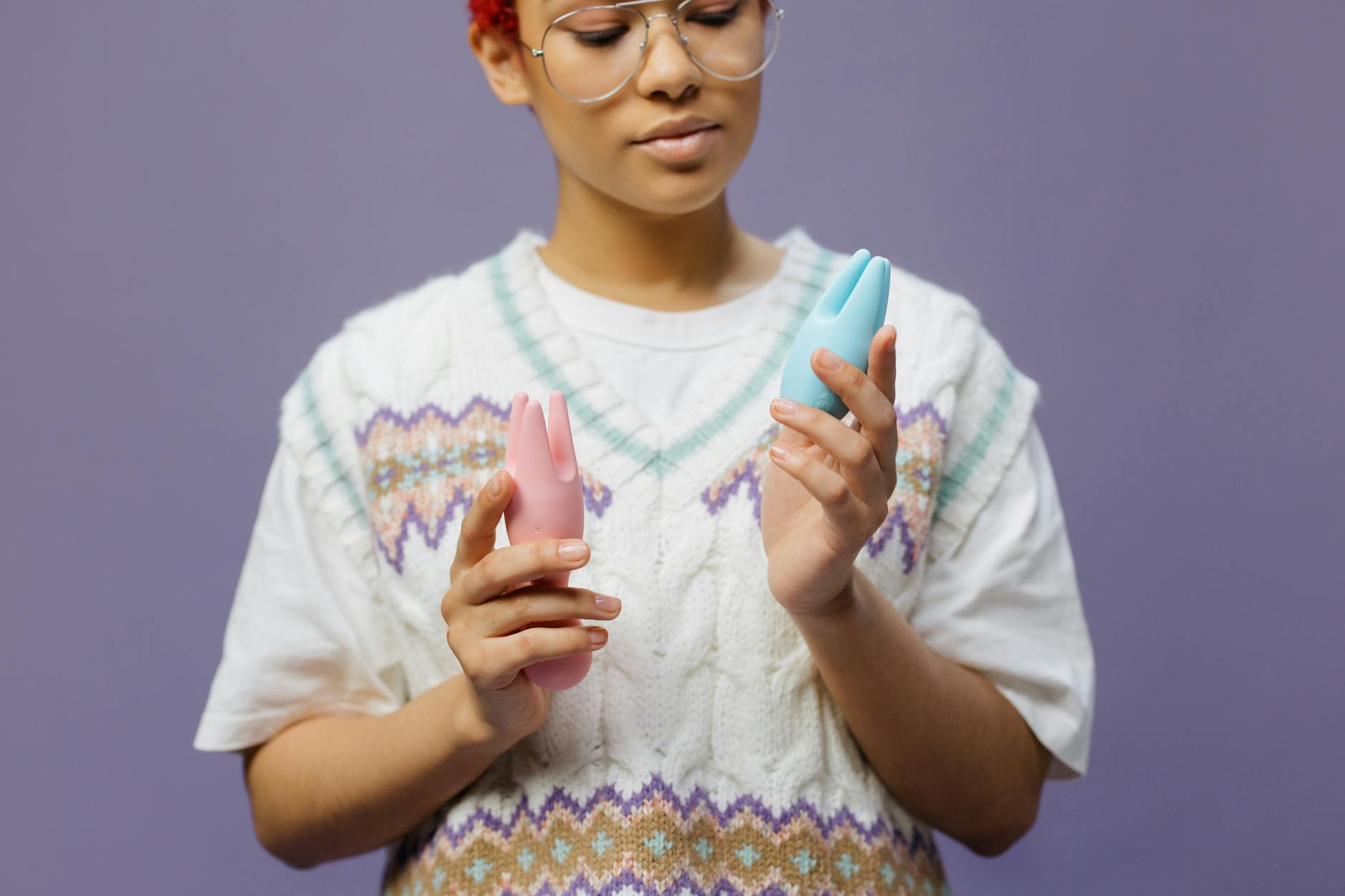
When you cut alcohol or quit entirely, your nervous system recalibrates. Blood vessels dilate more efficiently. Neural signaling sharpens. The clitoris and surrounding tissue become more responsive. And suddenly, a lemon clitoral vibrator that felt gentle six months ago feels like it's turned up to eleven.
This isn't your imagination. It's not too intense either. It's your body returning to baseline.
What alcohol actually does to pleasure
Alcohol doesn't just make you tipsy. It depresses your central nervous system, which includes the entire sensory and arousal apparatus. Here's the chain:
Sensation dulls. Alcohol slows down nerve signal transmission. Touch registers less acutely. A vibrator that normally produces clear stimulation feels muffled, distant.
Arousal takes longer. Alcohol interferes with vasocongestion. The blood flow that creates swelling and lubrication happens more slowly. You might need twice as long to feel ready.
Orgasm gets harder. The more regularly you drink, especially heavily, the more your body has to work to cross the threshold. Some people find orgasm nearly impossible when they're drinking regularly.
Desire itself quiets. Alcohol affects dopamine and testosterone pathways. Your wanting flattens. Sex becomes mechanical rather than magnetic.
This is particularly true for people who use alcohol as a sexual lubricant. That glass of wine before bed isn't loosening you up. It's numbing you down.
Why early sobriety feels so intense
When you stop drinking, your nervous system doesn't gradually re-sensitize over months. It recalibrates in weeks. Sometimes days.
I worked with a client, Miranda, who'd been a nightly drinker for eight years. By week two of sobriety, she tried the Lem on pattern one and said it felt like she was being struck by lightning. She nearly threw it across the room. By week six, pattern one felt exactly right. By month three, she was using patterns she'd never accessed before.
What changed wasn't the vibrator. Her threshold shifted.
Several things happen simultaneously:
Vascular function restores. Your blood vessels begin responding more efficiently to arousal cues. More blood to the genitals means more swelling, more sensitivity, more obvious sensation.
Nerve signaling clarifies. The fog lifts. Signals travel faster between your clitoris and your brain. A vibration that was background noise becomes foreground information.
Dopamine receptors reset. This takes longer than vascular changes. Alcohol has been hijacking your dopamine system for years. Your brain begins rewiring reward pathways. Pleasure feels sharper, more distinct.
Your pelvic floor reactivates. Chronic alcohol use often correlates with a relaxed or disengaged pelvic floor. As you sober up, that musculature wakes. You can feel contractions again. You have more options for intensity.
All of this is happening while you're probably also managing cravings, repairing relationships, rebuilding trust in your own body, and sometimes working through trauma that the alcohol was masking. Intensity during masturbation might be the least of your concerns, but it's worth understanding.
The emotional and sensory overlap
Here's the part nobody talks about clearly enough: sobriety doesn't just change sensation. It changes your relationship with sensation.
When you're drinking regularly, you've likely been using alcohol to manage anxiety around pleasure. Maybe you needed a few drinks to feel sexy. Maybe you used drinking to dissociate during sex. Maybe alcohol was the only context where you let yourself want something. The numbing was partly chemical and partly emotional. You were telling your nervous system, "It's okay to relax now. It's okay to have pleasure. The alcohol is here to make this safe."
When you take away alcohol, that container disappears. Suddenly, you have to feel pleasure without a chemical cushion. That can feel exposing, vulnerable, even frightening.
This is why lemon vibrators can feel too intense in early sobriety. It's not entirely about the sensation. It's about safety. Your body is learning to trust that pleasure is okay without a depressant involved.
What to do if intensity catches you off guard
Three practical strategies that work in early sobriety.
Start with patterns one and two. You might have been using patterns five and six before quitting. Assume you're starting fresh. The intensity you remember is literally neurologically different now. Relearn your preferences.
Extend your warm-up time. Give yourself 15 to 20 minutes before introducing a clitoral vibrator. Your arousal curve is different now. Slower, steadier, and ultimately more sustainable than alcohol-fueled sessions.
Use texture and positioning to modulate sensation. You can place fabric between the lemon vibrator head and your clitoris. You can use it on thighs first. You can rest it against your pubic mound rather than direct contact. These tiny adjustments control intensity without sacrificing sensation.
When intensity is a sign of something else
Sometimes intensity isn't about your nervous system recalibrating. Sometimes it's a sign of anxiety or trauma-related hypervigilance.
If sensation feels genuinely painful, or if you have physical reactions like sudden muscle tension or panic, slow down and check in. Early sobriety sometimes brings up stuff. Your body might be telling you it needs a different kind of exploration right now. That's valid. There's no timeline for pleasure.
Many people in recovery benefit from pairing self-pleasure with grounding practices. Breathing work before and after. Some people find that journaling their sensation helps. Others do better with a partner present, even just in the room.
Pleasure as part of healing
Here's what I want you to know: using a lemon clitoral vibrator in early sobriety isn't frivolous or premature or selfish. It's part of the reclamation process.
When you were drinking, you couldn't fully feel your body. You couldn't fully feel pleasure. Now you can. That's information. That's data telling you that sobriety is working, that your nervous system is resilient, that your body wants to feel good and knows how to.
Some of my clients have described the first truly sober orgasm as transformative. Not because it's better than drunk sex. Because it's real. Because they can remember it. Because they're fully present for it. Because it proves to them that they don't need alcohol to feel good.
Take your time. Start with lower patterns. Notice what shifts from week to week. Your pleasure is rebuilding itself along with everything else. There's no rush.
People also ask
How long does it take to stop feeling overstimulated by vibrators after quitting alcohol?
Most people report that within four to six weeks, their baseline sensitivity settles into something that feels manageable and actually pleasurable. The extreme intensity that hits in week one or two isn't permanent. Your nervous system is recalibrating, not broken. If it's still feeling unbearable after two months, check in with a therapist who works with recovery and sexuality. Sometimes there's trauma underneath the sensitivity.
Can I use a lemon vibrator while I'm cutting back on alcohol but not fully sober?
Yes, but expect inconsistency. If you're reducing gradually, your sensitivity will fluctuate based on your intake that day or that week. You might find it helpful to reserve vibrator exploration for days when you're not drinking, so you can actually learn your preferences without the depressant effect muddying the data. This also gives your body clear information about what sobriety feels like.
Will my libido come back if I stop drinking?
Most likely, yes. Alcohol suppresses testosterone and dopamine signaling. As those systems recover, desire usually returns. For some people, it takes three to six months. For others, it's immediate. The timeline varies based on how long you were drinking, how much, and individual genetics. If it's been over six months and desire is still absent, talk to your doctor. Sometimes there's an underlying thyroid or hormonal issue that was masked by alcohol.
Is it normal to feel emotional during or after masturbation in early sobriety?
Completely normal. You're feeling things sober that you've been numbing for years. Pleasure, vulnerability, sadness, grief, anger. It all comes up sometimes during intimate moments. If crying happens during or after an orgasm, that's often your nervous system completing a cycle it couldn't complete while you were drinking. Let it happen. It's part of healing.
Should I explore pleasure solo or with a partner in early sobriety?
There's no rule. Some people find solo exploration safer because there's no performance pressure and no one else's timing to manage. Others find that partnership provides accountability and connection. I'd suggest starting with what feels least fraught emotionally right now. If partnership is complicated, start solo. If isolation feels dangerous, start partnered. The lemon clitoral vibrator works either way.
What if intensity still bothers me after my nervous system has resettled?
Then you have a straightforward preference, not a sobriety issue. Some people simply prefer gentler stimulation. That's okay. You can use a clitoral vibrator on the lowest setting indefinitely. You can use it indirectly. You can explore other types of sensation entirely. Your body gets to decide what feels good. Sobriety just means you get to actually feel what you decide.
Your body is already healing
Early sobriety is profoundly disorienting. Everything tastes different. Everything feels different. Everything is. Your nervous system is restoring its actual baseline after years of chemical depression. Some of that feels amazing. Some of it feels too much.
When you pick up a lemon vibrator and it feels shockingly intense, you're not broken. You're waking up. That intensity is evidence that your body is doing exactly what it's supposed to do. It's remembering sensation. It's remembering pleasure. It's rebuilding trust in feeling good without a chemical assist.
Start low. Go slow. Listen to what your body tells you week by week. And if you need guidance, a therapist who understands both recovery and sexuality can help you navigate this transition with clarity and compassion. Your pleasure matters. Your sobriety matters more. Both things can be true at the same time.
Ready to explore what feels good in sobriety? Start with the basics and let your body lead. If you have questions about finding the right tool for your needs, reach out to Hello Nancy.