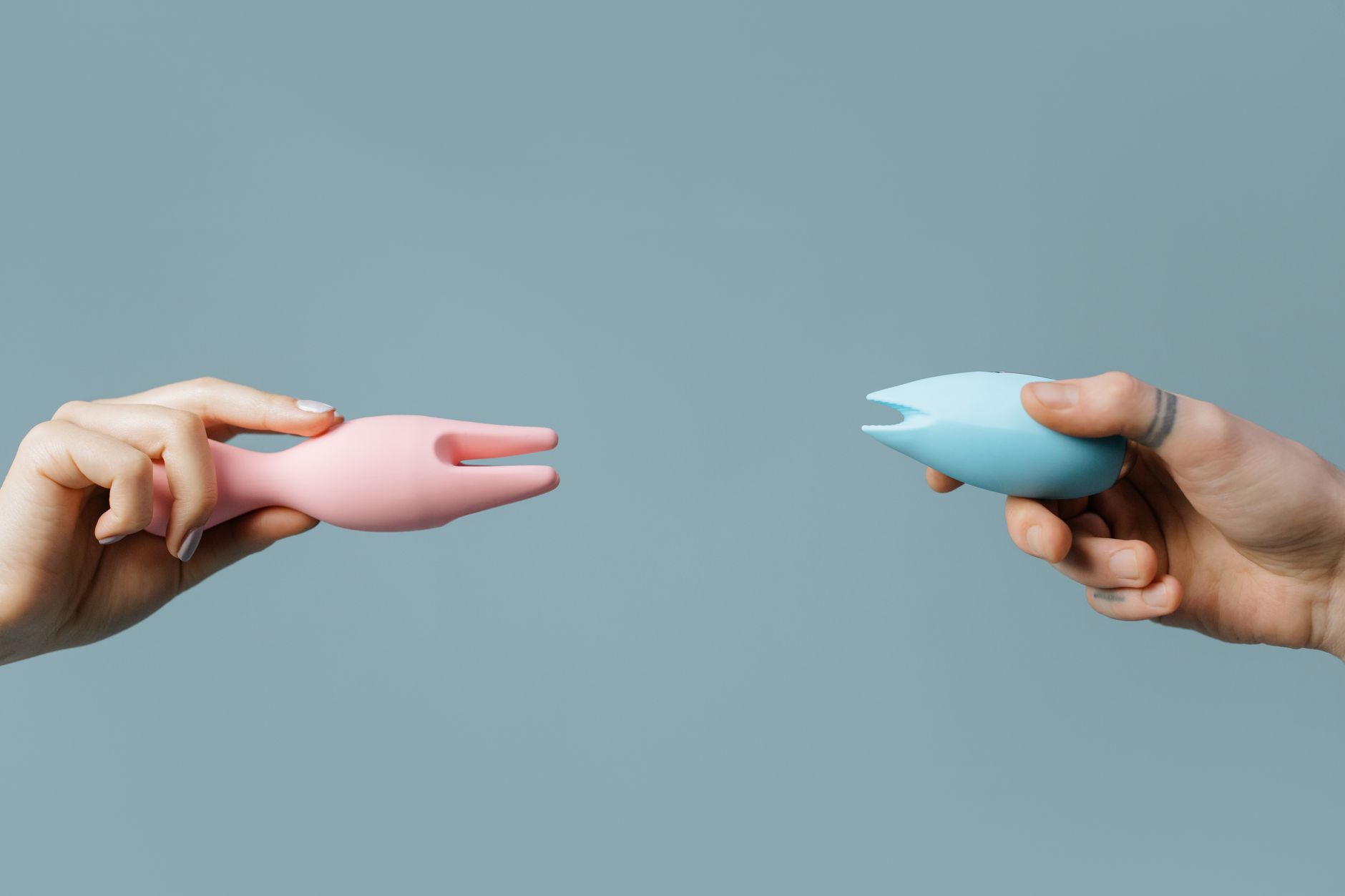
Let's start with the frustrating part
You're exhausted. You finally have time for yourself, grab your lemon vibrator, and... nothing. Or worse, the sensation feels distant, like you're touching someone else's body. The settings you usually love feel underwhelming. Your brain isn't in it. Your body isn't responding.
You're not broken. Your nervous system is running on fumes, and pleasure is the first thing to get sacrificed when sleep debt piles up.
What sleep deprivation actually does to arousal
Here's the chain reaction. When you skip sleep, cortisol stays elevated. Your nervous system stays locked in low-grade fight-or-flight mode. Meanwhile, dopamine crashes. Dopamine is the neurotransmitter that makes pleasure feel rewarding, that makes you want sex in the first place. Without it, your clitoral sensitivity doesn't stand a chance.
Then there's blood flow. Arousal requires blood to rush to the clitoris and surrounding tissue to swell and become more sensitive. Sleep deprivation constricts blood vessels and elevates blood pressure, reducing the efficiency of that rush. Your tissue might be receiving 30 percent less blood flow than it would on a normal night. That translates directly to dulled sensation.
And then there's the skin itself. The clitoris has one of the highest concentrations of nerve endings in your body. But those nerves need a certain level of neurological activation to fire properly. When you're exhausted, your central nervous system is already overtaxed. Adding genital stimulation to an already-depleted system is like asking a phone with 5 percent battery to run three apps at once.
Why a lemon clitoral vibrator might feel different on zero sleep
A lemon vibrator (whether the Lem or another suction-based clitoral vibrator) relies on precise nerve activation through gentle rhythmic suction. That means it's particularly sensitive to nervous system state. Unlike a traditional vibrator that relies on blunt force, a lemon sucker stimulates through a more refined mechanism.
When your dopamine is tanked and your nervous system is depleted, that subtlety works against you. You might switch from pattern 2 to pattern 4, hoping intensity will compensate. It won't. The problem isn't the device. The problem is the neurochemistry underneath.
The specific ways sleep debt changes sensation
Your threshold for pleasure rises. On full sleep, gentle stimulation feels good. On sleep deprivation, you might need double the intensity to register the same sensation. This is measurable in lab settings. People running on less than five hours of sleep require significantly more sensory input to activate the same pleasure centers.
Your focus collapses. Arousal requires attention. You need to track sensation, build anticipation, let your brain loop into reward feedback. Sleep deprivation tanks working memory and attention span. You'll find yourself drifting mid-session, checking your phone, losing the thread. That broken focus tanks arousal faster than low sensation ever could.
Your pelvic floor tenses. When you're exhausted, your pelvic floor muscles stay partially clenched. This is a protective response. Your body is literally bracing against fatigue. A tense pelvic floor reduces the range of sensation and makes orgasm harder to reach. Many people don't realize this is happening until they finally sleep for eight hours and feel the difference immediately.
Your refractory period extends. This matters most if you're trying for multiple orgasms. Sleep deprivation extends the time between orgasms and makes the sensation less distinct. You might reach orgasm, but it feels flattened, less intense.
How different types of sleep debt hit differently
One night of bad sleep is annoying. Three nights of four-hour sleeps is brutal. Chronic sleep deprivation over weeks is actually neurologically damaging in measurable ways.
If you've had one rough night, your best bet is to prioritize sleep that night and try again tomorrow. One night rarely tanked your dopamine enough to cause real problems. But if you're in a pattern of chronic sleep loss, pleasure issues are a symptom of a much bigger problem. Your cardiovascular system, immune response, and metabolic health are all suffering too.
The good news: unlike some sensitivity issues that take months to resolve, dopamine and cortisol bounce back relatively quickly. Two to three solid nights of sleep (seven-plus hours) and most people notice a real difference in arousal and sensation.
The actual strategies that work
Prioritize sleep over extra pleasure sessions. I know this sounds counterintuitive. But if you're choosing between an extra hour asleep or an extra 20 minutes with your lemon vibrator, sleep wins every time. Your future pleasure depends on current sleep more than your current pleasure depends on using a device right now.
Don't force it when you're exhausted. This matters. Using your vibrator when you're sleep-deprived and expecting it to feel good is setting yourself up for frustration and a false sense that something's wrong with you or the device. You'll build negative associations. Skip the session. Sleep instead. Come back when you're rested.
If you do try: lower your intensity expectations. If you're exhausted but determined to have some pleasure time, use a lower setting than usual. Don't aim for orgasm. Aim for five minutes of gentle sensation. Make it meditative, not goal-oriented. The goal is to notice what you can feel, not to perform.
Build a sleep ritual that actually works. This is wild to say as a relationship coach, but I've seen people's entire sexual response shift once they fixed their sleep. Consistent bedtime, no screens 30 minutes before sleep, a cool room (around 65-68 degrees), no caffeine after noon. These sound boring. They're not. They're the foundation.
Track your arousal alongside your sleep. Keep a simple note. Rate your arousal and sensation from 1-10 after a session. Track how many hours you slept the night before. After two weeks, you'll see the pattern clearly. You might notice that on seven-plus-hour nights, sensation is noticeably stronger. This data is motivating in a way general advice isn't.
When to worry about something else
If you're getting solid sleep and your lemon vibrator still feels weak, something else is probably going on. Check medication side effects, hormonal changes, or <a href="/blog/why-lemon-clitoral-vibrators-feel-weaker-when-stress-levels-are-high">stress levels and nervous system tone</a>. But if you're running on five or fewer hours regularly, fix that first. It's the highest-leverage change you can make.
Sleep deprivation is the single most underrated sensitivity killer. People spend hundreds on new devices, trying different lemon vibrators and clitoral vibrators, tweaking technique, when the actual problem is that they haven't slept properly in three weeks. You can't pleasure your way out of sleep debt. You have to sleep your way out of it.
FAQ: Sleep and pleasure sensitivity
How many hours of sleep do I actually need for full sensation? Most people need seven to nine hours for optimal dopamine and nervous system function. Anything below six hours consistently starts to show measurable effects on arousal and sensation. If you're getting five or fewer, expect dulled pleasure.
Can a nap help? A 20-to-30-minute nap can help slightly by lowering cortisol and giving your nervous system a brief reset. But it won't fully compensate for chronic sleep loss. A nap is a band-aid, not a solution.
Why does my clitoris feel numb specifically? The clitoris has incredibly high nerve density, which makes it sensitive to nervous system state. When your central nervous system is depleted, the clitoris feels it first. It's not that sensation is gone everywhere. It's that subtle sensations, which clitoral work relies on, require more neurological bandwidth.
Does better sleep make lemon vibrators feel stronger? Yes. Many people report that after prioritizing sleep for a week, even lower settings on their clitoral vibrator feel more intense and pleasurable. Your device doesn't change. Your nervous system does.
What if I have insomnia and can't sleep more? This is worth a real conversation with a doctor. Chronic insomnia affects everything, including arousal. But even improving sleep quality (falling asleep faster, fewer night wakings) can help. Some people find that <a href="/blog/how-to-use-lemon-vibrator-with-partners-who-prefer-slow-intimacy">slowing down their entire evening ritual, including sexual activity</a>, actually improves both sleep and arousal over time.
Does caffeine actually kill sensation? Caffeine elevates cortisol and can interfere with sleep quality. If you're drinking caffeine after noon and struggling with arousal, this might matter more than you realize. Try cutting off caffeine by 2 PM for a week and see if sensation improves.
Should I wait until I'm well-rested to try a new vibrator? Honestly, yes. If you're testing a new lemon vibrator or any clitoral vibrator for the first time, do it on a night when you're well-rested and not stressed. That's when you'll get an accurate sense of what you actually feel and enjoy. Trying new devices when you're exhausted gives you bad data about how good they actually are.
The bottom line
Your nervous system has a hierarchy of what it prioritizes. When you're running on empty, pleasure is expendable. Sleep is not. If your lemon vibrator feels weak, before you blame the device or yourself, check whether you've actually slept. Most of the time, that's the answer. And the fix is simpler than buying a new vibrator. It's sleeping like it matters, because it does.