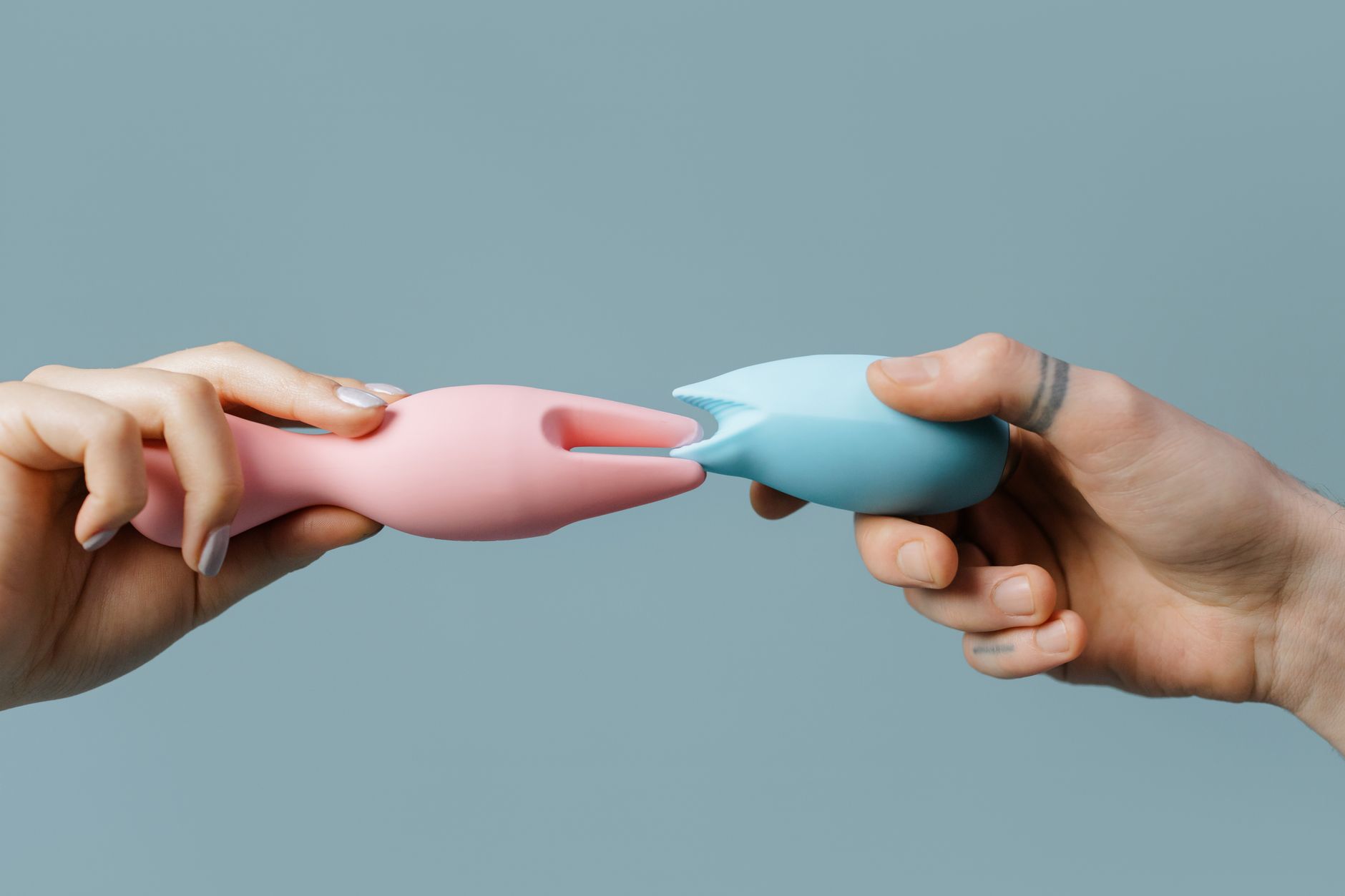
Why Lemon Vibrators Provide Better Stimulation Than Traditional Toys for Anxiety
Anxiety rewires how your body processes pleasure. It tightens your pelvic floor, narrows your breathing, and floods your nervous system with cortisol. When that's happening, a traditional vibrator that buzzes at 6,000 rpm feels less like enjoyment and more like overstimulation.
Lemon vibrators, designed with suction-based stimulation instead of rapid vibration, work with your anxious nervous system instead of against it. I've watched countless clients discover that the gentler approach of air-pulse technology feels more accessible, more grounding, and actually more intense than the constant buzzing they were used to.
How anxiety changes physical sensation
Your nervous system has two main modes: rest and alert. When you're anxious, you're stuck in alert mode. Your fight-or-flight response floods your body with adrenaline and cortisol, which triggers protective tension in your pelvic floor. That tension does three things: it reduces blood flow to your genitals, dampens nerve sensitivity, and makes direct pressure feel invasive rather than pleasurable.
Meanwhile, traditional vibrators deliver constant, uniform stimulation. They buzz. The vibration is mechanical and relentless. For someone whose body is already braced for danger, that relentless input registers as more threat, not more pleasure. The nervous system doesn't relax. Orgasm becomes harder to reach, not easier.
Lemon clitoral vibrators work differently. They use pulsing suction, which mimics the natural rhythm of oral sex. Suction creates a gentle pressure that rises and falls. There's space in that rhythm for your nervous system to settle. Your body doesn't have to defend against constant input because the input isn't constant.
Why suction feels more calming than vibration
Think of the difference between someone tapping your shoulder repeatedly and someone placing their hand on your shoulder with gentle, rhythmic pressure. One feels annoying. The other feels reassuring.
That's suction versus vibration. Suction creates a cycle of gentle pressure and release. Your nervous system reads that as patterned, predictable, rhythmic. Those qualities are exactly what calm an anxious brain. Predictability is safety. When your body knows what's coming next, it can relax.
Vibration, by contrast, is chaotic from your nervous system's perspective. Even if it's technically consistent, it feels scattered and overwhelming. For anxious bodies, that scattered quality triggers the same defensive response as a loud noise or sudden touch.
I've had clients tell me that using a lemon suction vibrator feels like the toy is working with them instead of at them. They describe it as almost meditative. That's not poetic language. That's the nervous system actually downregulating.
The breathing connection you're probably missing
Here's something most people don't realize: pleasure and breathing are connected. Anxiety makes you breath shallow. Shallow breathing keeps your nervous system activated. Activated nervous system means reduced pleasure.
When you're using a traditional vibrator that feels overwhelming, you hold your breath. You brace. Your pelvic floor tightens more. Everything gets harder.
With a lemon vibrator, the gentler rhythm gives you room to breathe. The suction creates a natural tempo that often syncs with your breath without you having to think about it. I've had clients describe the experience as almost hypnotic. That's actually your nervous system downregulating enough to breathe properly again.
The pelvic floor tension problem
Anxiety lives in your pelvic floor. It's one of the places your body holds stress. When you're anxious, those muscles tighten automatically. A tight pelvic floor means reduced sensation, reduced pleasure, and often actual discomfort during sex or solo play.
Traditional vibrators can actually worsen pelvic floor tension because the constant buzzing feels like something you need to defend against. Your muscles tighten more, not less.
Lemon clitoral vibrators, with their pulsing rhythm, actually help relax that tension. The gentle, predictable suction gives your pelvic floor something to respond to without triggering a defensive clench. Some clients find that using a lemon vibrator is like a pelvic floor massage. The rhythm coaxes the muscles into release.
If you're dealing with serious pelvic floor tension, pairing a lemon vibrator with actual pelvic floor relaxation work (which your GP or a pelvic physical therapist can teach you) makes a huge difference. But even on its own, the suction-based approach is gentler on an already-stressed pelvic floor.
Sensation patterns matter more than raw power
People dealing with anxiety often think they need a stronger, more powerful vibrator. More power equals more pleasure, right?
Actually, no. For anxious bodies, sensation pattern matters way more than raw power. A lemon vibrator at mid-intensity with its pulsing suction pattern often feels more intense than a traditional vibrator at maximum vibration. Your nervous system actually registers it as stronger because it's delivering a coherent pattern that your brain can track.
I recommend starting with a lem vibrator on the lower settings and working up as you feel comfortable. The goal isn't to jump to maximum intensity. The goal is to find the setting where your nervous system can stay in a parasympathetic (calm, connected) state while still building arousal. That's where real pleasure lives.
Building a routine that actually works
If you're anxious and you want to use a lemon vibrator effectively, context matters almost as much as the toy itself. Here's what I recommend:
Start with a few minutes of deep breathing before you even touch the vibrator. I know that sounds remedial, but it genuinely works. Four counts in, hold for four, out for four. Do that for two minutes. Your nervous system will already be calmer.
Then use the vibrator on a lower setting. Let your body adjust. Many anxious people think they should feel intense sensation immediately. But with suction-based toys, the pleasure often builds more subtly than it does with traditional vibrators. That subtlety is actually a feature, not a bug. Your nervous system can track it. You won't feel overwhelmed.
Don't use your phone. Don't have a dozen distractions. The more your brain is divided, the more your nervous system stays activated. Quiet, singular focus helps your body relax enough to feel pleasure.
What to expect when you first try it
If you're coming from traditional vibrators, a lemon vibrator might feel weaker at first. That's usually just your nervous system adjusting to a different sensation pattern. Give it three or four sessions before you judge whether it's working.
Some people report that the first thing they notice isn't stronger pleasure, but less anxiety. They feel calmer during the experience itself. That's your nervous system downregulating. Pleasure often follows that calm.
Others report that orgasms feel different, sometimes more subtle, sometimes more full-body. That's because your pelvic floor is actually relaxed instead of braced. The sensation reaches more of your body instead of staying concentrated in one spot.
The partner dynamic
If you're using a lemon vibrator with a partner, anxiety changes that conversation too. Anxious people often have a harder time asking for what they want or asking a partner to slow down. The suction-based approach of lemon vibrators gives you more control. You can pause, breathe, adjust the setting. That control is grounding.
I also recommend that partners understand what's happening. Anxiety isn't about them. Your body isn't rejecting them. Your nervous system just needs a different kind of input right now. A lemon vibrator is a tool that helps your body relax enough to connect again. That's actually pro-relationship.
When you might need more support
If your anxiety is severe enough that even a gentle lemon clitoral vibrator feels overwhelming, that's information worth paying attention to. Sometimes pleasure anxiety is connected to trauma, to relationship dynamics, or to a nervous system that's genuinely dysregulated.
That's when talking to a therapist who specializes in trauma or somatic work becomes valuable. A lemon vibrator is a useful tool, but it's not a replacement for professional support if your nervous system is that stuck.
People Also Ask
Can a lemon vibrator actually help with performance anxiety?
Yes, but indirectly. Performance anxiety activates your fight-or-flight response, which makes arousal harder. A lemon vibrator's gentle, pulsing rhythm helps calm that response. The reduced pressure you feel (no aggressive buzzing, more control over intensity) means less anxiety about "performing" correctly. Many people find that using a lemon suction vibrator solo first, without any performance pressure, actually rebuilds confidence. You're not trying to respond to something external. You're just exploring sensation at your own pace.
How long does it take for a lemon vibrator to feel good if you're anxious?
Three to five sessions is typical. Your nervous system needs time to recognize the pattern as safe. If you're coming from traditional vibrators that felt overwhelming, a lemon vibrator might feel muted at first. That's normal. Keep using it on lower settings. Most anxious people report that by the third or fourth use, they start noticing that they feel calmer during the experience, and pleasure follows that calm.
Should I use a lemon vibrator if I take anxiety medication?
Absolutely. Some anxiety medications can dampen sensation, but that's often about overall arousal, not about which toy you use. A lemon vibrator's design actually works better with dampened sensation than traditional vibrators do. The broader suction pattern stimulates more nerve endings than concentrated vibration. Talk to your doctor if you have specific concerns, but there's no interaction issue between anxiety medication and using any vibrator, including lemon clitoral vibrators.
Can I use a lemon vibrator if I have severe health anxiety about my body?
Yes. In fact, I'd recommend it especially. Health anxiety often comes with difficulty trusting your body's sensations. A lemon vibrator's gentle, predictable rhythm can help you reconnect to sensation in a lower-pressure way. You're not forcing your body to respond to intense input. You're inviting it to settle into a calm pattern. That's less triggering for anxious nervous systems.
Do lemon vibrators take longer to reach orgasm?
Sometimes, but that's often a feature for anxious people. Slower builds mean your nervous system stays regulated throughout. You're less likely to feel overwhelmed mid-session. And many people find that orgasms that take longer to build are actually more satisfying because your whole body is involved, not just your clitoris in a defensive clench.
What if a lemon vibrator still feels like too much?
Then your nervous system might benefit from even gentler input, or from professional support around pleasure anxiety. Some people need to work with a somatic therapist before toys feel accessible at all. That's not a failure. It's just information about where you are right now. Start with your body, external touch, and breathing. Toys can come later when your nervous system feels safer.
The real issue is regulation, not stimulation
Anxiety changes how your body receives pleasure. It's not that you've lost your capacity for sensation. It's that your nervous system is in protection mode, which dampens that capacity.
A lemon vibrator works better than traditional vibrators for anxious people because its suction-based, pulsing design aligns with a calm, regulated nervous system. It feels less like an assault and more like an invitation. Your body can relax into it. That relaxation is where actual pleasure lives.
The best toy in the world can't create pleasure if your nervous system is stuck in fight-or-flight. But the right toy, combined with a little intentionality around breathing and pacing, can help your body remember that pleasure is possible. That's not the toy doing the work. That's your nervous system finally feeling safe enough to receive it.
If you're struggling with anxiety and pleasure, I'm here to help. Reach out and let's talk about what might work for you.