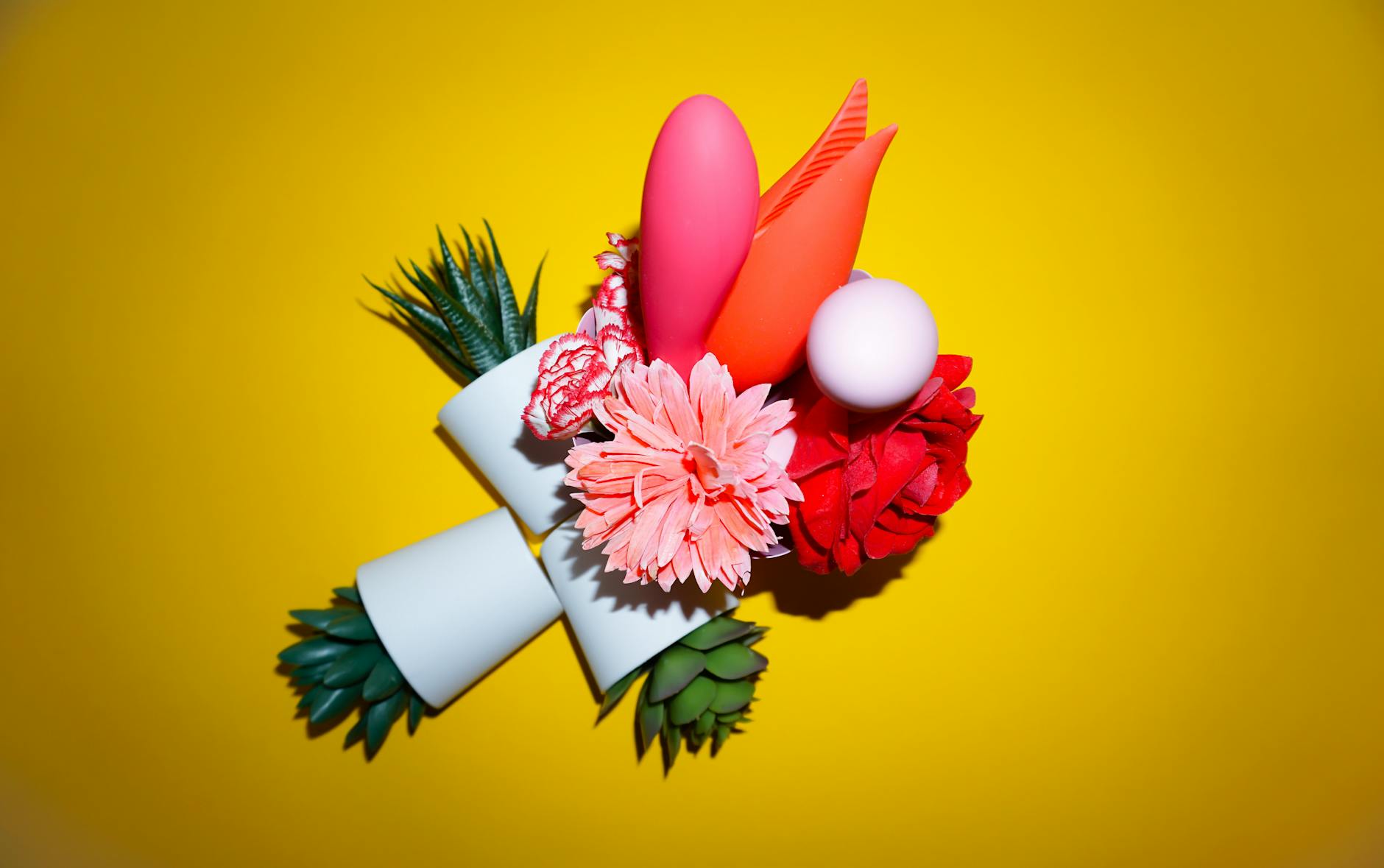
Let's talk about vulva sensitivity
Here's what nobody tells you: sensitivity isn't a flaw. It's information. If you've felt irritation, rawness, or even pain with traditional vibrators, your body's not broken. You're just using the wrong tool for your anatomy.
Most people assume all vibrators work the same way. They don't. And if you have sensitive skin, vulval dermatitis, or just naturally reactive tissue, this difference is genuinely life-changing.
How traditional vibrators work (and why they can hurt)
Standard vibrators move side-to-side or up-and-down at high speeds. This creates friction. Direct friction against delicate vulval tissue feels intense and, for sensitive people, quickly becomes uncomfortable or painful. The faster the vibration, the more friction you're generating. Even on the lowest setting, you're still moving metal or silicone against skin thousands of times per minute.
For people with thinner tissue (whether from menopause, vulvodynia, eczema, or just genetics), this becomes a problem. The nerve density in the clitoris is wildly high, so even gentle friction can feel overwhelming. Add friction to that and you're done before you've started.
Then there's the pressure question. Most vibrators require you to hold them firmly in place to feel anything. That sustained pressure, even without friction, can trigger pain in sensitive vulvas.
Why suction changes everything
Lemon clitoral vibrators like the Lem use suction instead of friction. The mechanism is totally different. Instead of vibrating side-to-side, suction-based toys gently cup the clitoris and pulse rhythmically. Think of it like the difference between rubbing your skin raw and giving it a massage that stimulates from within.
Here's what makes this better for sensitive tissue:
No direct friction means no mechanical irritation. The suction creates stimulation through gentle pressure waves, not by moving anything across your skin. If you have vulvodynia, dermatitis, or even just had rough sex a few days ago, this is a game-changer.
Lower pressure requirement. You don't need to grip the toy or press it hard. The suction does the work. For people with pelvic floor tension or trauma history, this is less demanding and often less triggering.
Increased blood flow without overstimulation. Suction brings circulation to the clitoris gradually. You feel pleasure building, not an immediate wall of sensation that you have to manage.
The clinical picture
I've worked with clients who swore they were "not a vibrator person" because every toy they'd tried left them sore. Once they tried a lemon sucker mechanism, the difference was immediate. Not because they're broken, but because suction and friction stimulate the same nerves through completely different pathways.
The clitoris has about 8,000 nerve endings. When you use friction, you're stimulating all of them at once at high intensity. Suction is more like a slow wave of pressure that builds gradually. You get more control, more sensation variety, and less pain.
This matters especially for people with:
Vulvodynia or other chronic pain conditions. Friction can trigger flares. Suction doesn't.
Post-menopausal tissue changes. Lower estrogen means thinner, more fragile vulval skin. Suction doesn't require the same mechanical pressure.
Eczema or vulval dermatitis. Direct friction irritates inflamed skin. Suction respects that boundary.
General sensitivity. Some people are just wired for gentler stimulation. That's not a limitation. It's your baseline.
What to look for if you're sensitive
If you're considering a lemon clitoral vibrator for sensitivity, a few things matter:
Material. Medical-grade silicone is safest. It's non-porous, easy to clean, and won't trap bacteria. Avoid anything porous or unclear about material.
Waterproofing. Fully waterproof toys are easier to clean thoroughly and safer for sensitive areas. This isn't luxury. It's hygiene.
Strength range. Counterintuitively, toys with multiple intensity levels are better for sensitive vulvas. You want to start low and explore. If a toy only has one setting and it's too intense, you're stuck.
Noise and discretion. Louder vibrations often mean higher intensity. A quieter toy usually means gentler pulses. This also matters if you live with others and need privacy.
Using a lemon vibrator safely if you're sensitive
Low and slow is the starting point. Even if you think you know what you like, start at intensity level 1. Your sensitive tissue needs time to adjust to new sensation.
Water-based lubricant helps. Even with suction, a tiny bit of lube can reduce any micro-friction from the device itself. It also increases comfort psychologically.
Short first sessions. Aim for 10-15 minutes the first few times. You're teaching your body to trust this new sensation. Longer sessions can come later.
Notice what happens after. If you feel sore, tender, or irritated within a few hours, you either used it too long, too intensely, or your tissue needs more recovery time. That's useful data, not failure.
Take breaks between uses. Sensitive tissue benefits from rest. Using a toy daily might feel great in the moment but leave you tender by day three. Find a rhythm that feels good without causing delayed soreness.
The broader picture
Sensitivity isn't something to overcome or push past. It's something to work with. The right toy doesn't just feel better in the moment. It changes your whole relationship with pleasure because you're not fighting your own body anymore.
A lot of people with sensitive vulvas have spent years thinking something was wrong with them. The real issue was always the tool. Switch the tool and everything shifts. That's not a small thing.
If you've had bad experiences with traditional vibrators, a lemon clitoral vibrator worth exploring. The suction mechanism is genuinely different, and for sensitive tissue, that difference matters.
Frequently asked questions
Can you use a lemon vibrator if you have vulvodynia?
Yes. In fact, many people with vulvodynia find suction-based toys much more tolerable than traditional vibrators because they avoid direct friction. That said, vulvodynia varies widely between people. Start low and slow, and listen to your body. If it causes pain rather than pleasure, that's information. A therapist or pelvic floor specialist can help you figure out what's safe for your specific situation.
How often can you use a lemon clitoral vibrator if you have sensitive skin?
There's no universal answer, but start conservatively. Many people with sensitive vulvas do well with 2-3 times per week, allowing rest days between. If you notice increasing soreness or irritation after each use, back off to once weekly. Your tissue might need more recovery time. Everyone's baseline is different.
Do you need lube with a lemon sucker vibrator?
Not always, but many people prefer it. Lube adds comfort and reduces any micro-friction. If you do use lube, go with water-based. Silicone lube can degrade silicone toys over time. A tiny amount goes a long way with suction toys since they're designed to work with minimal liquid.
Are all lemon sexual toys the same mechanism?
No. There are different types of suction toys, and they vary in intensity, speed patterns, and design. Some are more intense than others. The Lem, for example, is designed for gentler, more sustained suction. Other brands might be stronger. Read reviews from people with sensitivity, not just general reviews, to understand where a toy sits on the intensity spectrum.
What if a lemon vibrator still irritates your skin?
First, make sure you're using it correctly: starting low, using lube, limiting session length. If irritation persists after several gentle uses, it might be a material sensitivity (rare but possible) or your tissue might genuinely prefer other forms of stimulation. That's okay. Fingers, partners, or other toy styles might be your answer. The goal is pleasure, not forcing yourself to use a specific toy.
How is a lemon clitoral vibrator different from an air-pulse vibrator?
They're essentially the same mechanism. Suction-based and air-pulse toys work through gentle pressure pulses rather than traditional vibration. The Lem and similar lemon-shaped designs are a specific product category within that broader family. The benefit for sensitive tissue applies to all suction-based toys, not just lemon-shaped ones.
The bottom line
If traditional vibrators have left you sore, frustrated, or avoiding pleasure altogether, the issue isn't you. It's friction. A lemon clitoral vibrator offers a genuinely different mechanism that works better for sensitive vulvas. That's not a marketing claim. That's anatomy and physics working in your favor.
Your pleasure matters, and you deserve tools that respect your body's actual needs, not tools designed for a generic body that doesn't exist. If suction-based stimulation sounds right for you, it's worth exploring with patience and attention to how your tissue responds.
If you're still uncertain whether this approach is right for your situation, reach out. Contact us or chat with a pelvic floor specialist who can assess your specific needs. Your body will thank you.
Sources
- International Society for the Study of Vulvovaginal Disease. (2020). Vulvodynia classification and management guidelines.
- Goldstein, A. T., et al. (2016). Vulvodynia: Assessment and management. Journal of Sexual Medicine, 13(4), 572-603.
- Masters, W. H., & Johnson, V. E. (1966). Human Sexual Response. Little, Brown.
- American College of Obstetricians and Gynecologists. (2020). Vulvovaginal Health in Gynecologic Practice.