Let's talk about the elephant in the room
Embarrassment around pleasure isn't a character flaw. It's a story you've been told since childhood, and it's worked so well that by now it feels like the truth. Using a clitoral vibrator, exploring your body, wanting something for yourself that feels good? That gets tangled up in messages about being "too much," "selfish," or "not the kind of person who does that."
Here's what I know from working with hundreds of people: the shame isn't about the vibrator. It's about permission. And the good news is, permission is something you can give yourself, one small decision at a time.
Where this shame actually comes from
Most of us absorbed the message that pleasure is something that happens to us, not something we create. We learned that wanting, asking, or taking charge of our own body was somehow impolite or greedy. Women especially were told that good girls aren't "too interested" in sex. Men were told that asking for help or admitting vulnerability meant they weren't enough. Non-binary folks often got erased from the conversation entirely.
So when you think about using a lemon vibrator, what you're actually confronting isn't the device. You're confronting a voice in your head that says: "This is for other people. Not me. I don't deserve this. What would someone think if they found out?"
That voice is worth listening to, but not believing.
The gap between knowing and doing
Understanding intellectually that you deserve pleasure doesn't instantly rewire the nervous system shame attached to it. That's important. You're not broken for feeling embarrassed even after reading an article that tells you it's fine. Shame is stored in the body. It doesn't evaporate because someone gave you permission.
What actually shifts shame is repetition. Small exposures. Tiny acts of defiance. Using a lemon sexual toy isn't about having an orgasm. It's about sending your nervous system a message: "I'm allowed to want something. I'm allowed to prioritize myself. I'm allowed to feel good."
Start smaller than you think you need to.
Building confidence in three tiny steps
Step 1: Buy it alone and feel it in your hands. Don't bring a partner, don't ask for permission, don't "make it a thing." Just order a clitoral vibrator from Hello Nancy and let it arrive. Hold it. Feel the weight. Look at it. This step is about familiarization without pressure. You're not committing to using it yet. You're just getting comfortable with the fact that it exists and you own it.
Step 2: Explore it with no goal. When shame is high, goals feel impossible. So remove the goal. Don't expect an orgasm. Don't expect anything. Give yourself permission to turn it on, feel where it's sensitive, move it around. This is research, not performance. Some people spend days just learning where they like sensation before they ever use it during solo pleasure.
Step 3: Use it in a context where you already feel good. Don't force yourself to use a lemon vibrator when you're stressed, tired, or feeling bad about your body. Start when you're already warm. Maybe after a shower when you feel clean. Maybe when your partner is away and you have the house to yourself. Maybe after exercise when your body feels strong. The environment matters more than you think.
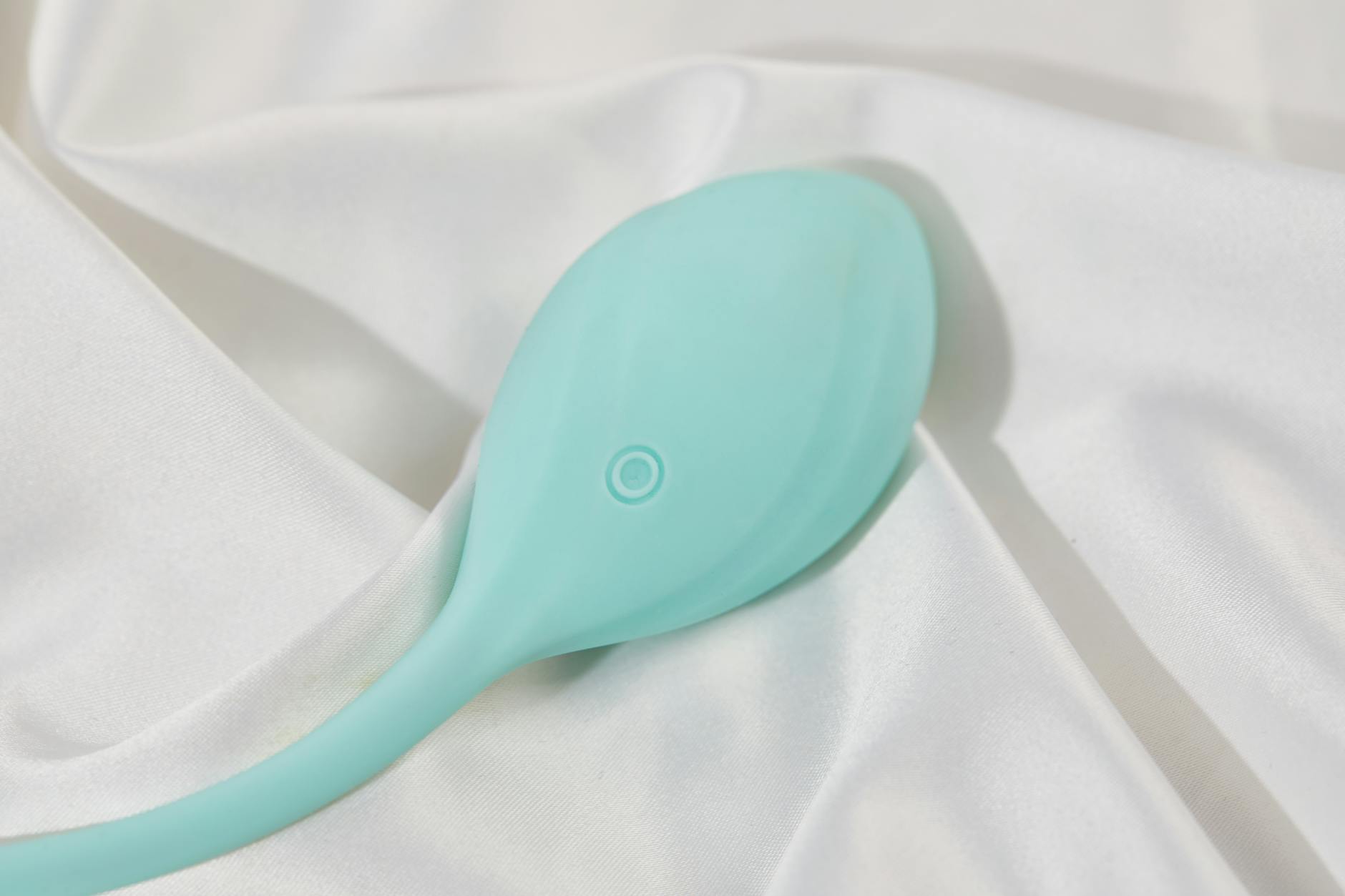
Photo by IFONNX Toys on Pexels
What to do with the voice that says this is wrong
The shame voice won't disappear just because you start using a lemon sucker or any clitoral vibrator. It'll still show up. "What if someone finds out? What if I'm doing it wrong? What if I can't orgasm?"
Here's the move: don't fight it. Acknowledge it. "There's that voice. That's the story I learned." Then keep going anyway. This is called "acting opposite" in therapy, and it's one of the fastest ways to rewire shame. You feel the embarrassment and do it anyway. Not because you're brave, but because you're choosing a different priority. You're choosing yourself.
If the voice gets loud, ground yourself. Name five things you can see. Feel your feet on the floor. Remind yourself: this is your body, your pleasure, your time. You're not hurting anyone. You're not being selfish. You're practicing self-care.
The partner question
If you're in a relationship and embarrassed about pleasure, there's often a second layer: worry about your partner's judgment. Some people are genuinely unsupportive. Many more are just uncertain because they were never taught that it's okay either.
You don't have to tell your partner you're using a lemon vibrator. Your body, your choice, your privacy. That said, many couples find that one person saying "I want to explore this" opens the door for better conversation about desire generally. Not pressure. Just honesty.
If you do want to introduce a clitoral vibrator to a partner, start with your own comfort first. Use it solo a few times so you're genuinely confident, not performing confidence. Then when you're ready, you might say something simple: "I want to try something new. I'd like your support." That's it. You don't need a big conversation or an explanation.
What actually happens when you keep going
After a few times using a lemon vibrator or other clitoral toy, something shifts. The embarrassment doesn't disappear, but it stops being the main thing. You realize nothing bad happened. Your body still works. You're still you. The world didn't end.
Then something stranger happens: you start to feel entitled to this. Your pleasure matters. You deserve time, attention, and nice sensations. This isn't cockiness. This is basic self-respect.
Many people tell me that learning to use a vibrator without shame taught them something bigger: how to ask for what they want in other areas of life. How to say no to things that don't serve them. How to prioritize themselves. The vibrator is just the beginning.
Managing the practical side
If privacy is your concern, get strategic about storage. A bedside drawer with a lock. A bag in the back of your closet. A place that feels private. Privacy removes one layer of shame and lets you focus on the actual experience.
If you're worried about discovery, use a password-protected purchase account or buy a gift card in cash if retail shopping feels easier. You have options. You get to structure this in whatever way makes you feel safe.
Expect it to feel awkward at first
The first time you use a lemon clitoral vibrator while thinking about using a lemon clitoral vibrator, it's weird. You'll be hyperaware of the sound. Your brain will be too loud. You might laugh. You might stop. All of this is normal.
Second time is less weird. Third time, your nervous system starts to understand: this is a safe thing that happens in this safe space, and pleasure is the point. By week two, you'll barely remember why you were embarrassed.
The bigger picture
Shame thrives in secrecy. It dies in sunlight. You don't have to tell everyone you own a lemon vibrator. You do have to stop treating it like a secret from yourself. Because when you're hiding something from yourself, shame wins. When you're honest with yourself about what you want and what feels good, everything changes.
Your pleasure isn't an indulgence. It's not selfish. It's not too much. It's part of being human, part of being alive in your body. The fact that you were taught to be embarrassed about it says nothing about you. It says something about the culture that taught you.
Using a Hello Nancy lemon vibrator isn't about becoming a different person. It's about remembering that you deserve to feel good. And that's not embarrassing. That's just true.
People also ask
Is it normal to feel embarrassed using a clitoral vibrator for the first time?
Completely normal. Most people feel awkward, self-conscious, or even ashamed the first few times. This is cultural conditioning, not a personal failing. Your nervous system has learned to associate pleasure with risk or wrongness. That programming takes time to update, but it does update. The shame fades with repeated exposure and permission.
How can I relax enough to use a lemon vibrator if I'm anxious?
Take the pressure off entirely. Don't aim for an orgasm. Don't expect anything. Turn it on, feel where it feels good, and treat it like exploration rather than performance. Many people find that shame anxiety peaks before they start and drops dramatically once they're actually using it. Warm water, deep breathing, and a space where you won't be interrupted all help. If anxiety stays high, that's worth exploring with a therapist who specializes in sexual health.
What if I think I'm doing it wrong?
There's no wrong way to use a lemon sucker or any clitoral vibrator. What feels good to your body is the right way. You might like it on pattern 1 and hate pattern 5. You might prefer light touch or firm pressure. You might find that it feels best at a certain angle. The only way to learn is to experiment without judgment. Your body will tell you what works.
How do I not feel weird if my partner is in the house while I'm using a vibrator?
You can have the conversation ahead of time: "I'd like some solo time on Saturday afternoon." You don't have to explain what for. If you're nervous, put on music or a podcast to cover sound. Lock the door. The more matter-of-fact you are about your own body and pleasure, the less weird it becomes. Partners often feel relieved that you're taking responsibility for your own satisfaction rather than putting all that weight on them.
Does using a lemon vibrator mean something is wrong with my relationship?
No. Solo pleasure and partnered sex are different things. Using a clitoral vibrator alone doesn't mean your partner isn't enough. It means you're exploring your own body, managing your own stress, or investing in your own wellness. Many couples find that each person's solo practice actually improves their sex life together because everyone's more relaxed and more familiar with what they like.
What if the embarrassment doesn't go away after a few tries?
If shame around pleasure persists or feels very intense, that's worth exploring with a therapist, particularly one trained in sexual health or somatic experiencing. Sometimes embarrassment is connected to deeper beliefs about your body or past experiences that need professional support to unpack. That's not a sign something is wrong with you. It's a sign you'd benefit from help, and that help exists.
The research behind this
The psychology of shame is well-studied. Brené Brown's work on vulnerability and shame resilience shows that shame thrives in secrecy and dies when we speak it aloud and practice self-compassion. Research on sexual satisfaction across gender lines consistently shows that people who feel entitled to their own pleasure, without shame, report higher life satisfaction overall. And studies on women's health specifically show that solo pleasure and vibrator use is correlated with better sexual function, less pain, and higher satisfaction in partnered contexts. Your nervous system needs permission, repeated exposure, and self-compassion to rewire old shame patterns. None of that is a sign of weakness.
Next steps
If you're ready to move past embarrassment and explore clitoral pleasure more deeply, we've got resources. Check out how other people build arousal slowly and work through sensitivity after stress. If you're partnered and wondering how to have this conversation, read about introducing a partner to lemon vibrators without killing the mood.
And if you want to talk through what pleasure could look like for you, no judgment, we're always here. Reach out at hello-nancylem.shop/contact.