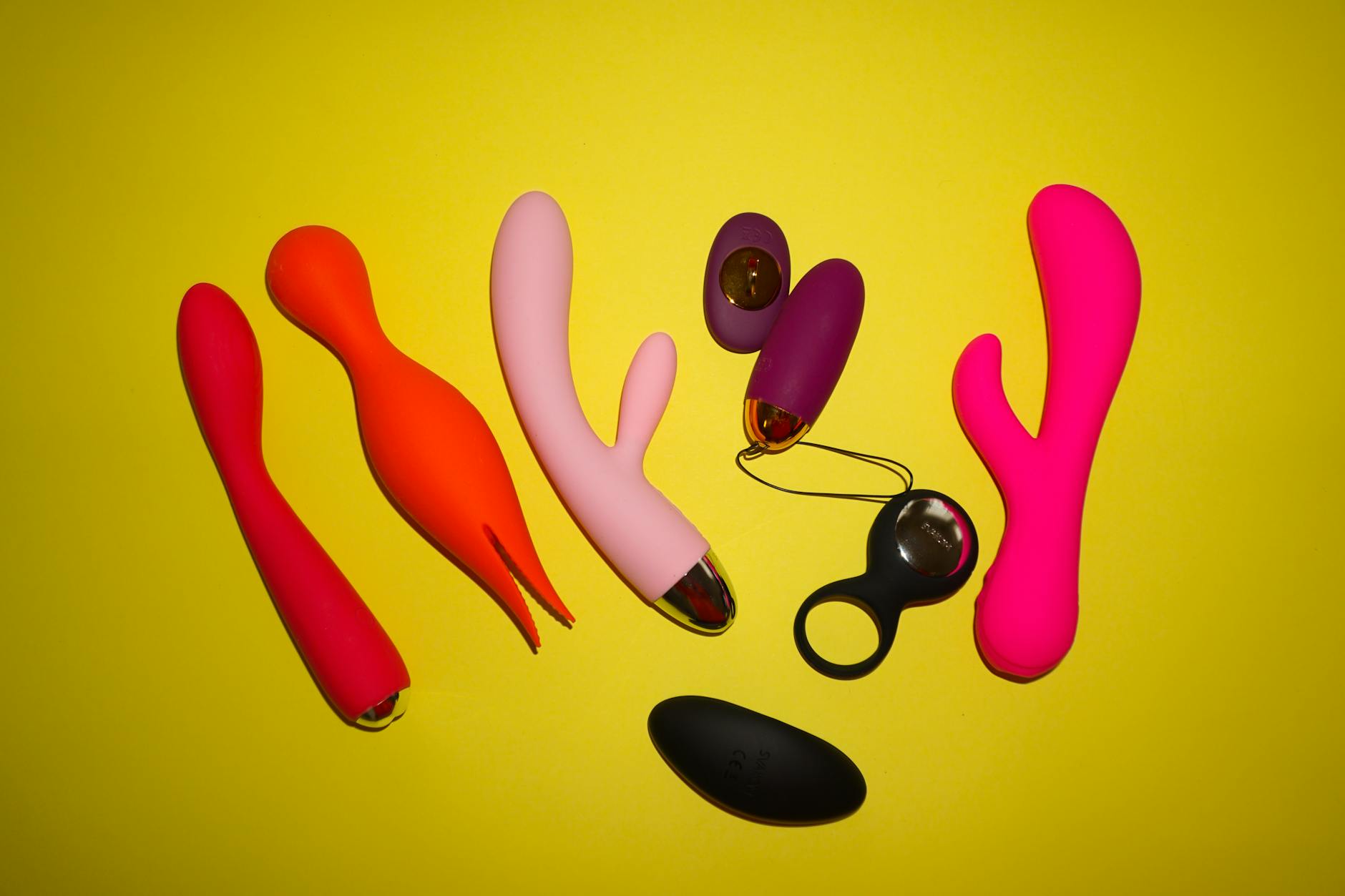
Lemon Vibrator After Menopause: Why Clitoral Suction Works Better Now
Let's be real. Most conversations about menopause and sex focus on what you're losing: lubrication, elasticity, that quickfire arousal that used to happen just from thinking about your partner. But nobody talks about what you're gaining.
Your most powerful orgasms might still be ahead of you. And clitoral suction vibrators like the Lem are often the reason why.
This isn't motivational nonsense. It's a clinical pattern I've seen consistently over decades of working with post-menopausal clients. The physiology has shifted, yes. But the shift often unlocks a kind of pleasure that was harder to access before. Understanding why, and knowing how to work with your changed anatomy, changes everything.
Why menopause actually improves clitoral response
Here's the counterintuitive part: even though estrogen drops and tissue thins, the clitoris becomes more responsive to the right kind of stimulation.
The clitoris doesn't lose nerve endings after menopause. It doesn't lose sensitivity. What changes is the surrounding tissue. Thinner vaginal walls and less overall lubrication mean that traditional penetrative stimulation often feels different. But suction-based stimulation? It bypasses the problem entirely.
Clitoral suction works by creating gentle, rhythmic pressure around the clitoris without requiring friction. This means your body doesn't need the same level of lubrication or tissue elasticity to respond. For post-menopausal bodies, this is exactly what works best.
I watched this shift in my own practice around age 50 when clients started reporting that they'd abandoned vibrators entirely in their 40s but came back to them (especially lemon suction toys) after menopause and found they delivered sensations they'd never felt before. The reason: their bodies had changed enough that suction, rather than buzzing alone, created a completely different neural response.
The neurological advantage you didn't expect
After menopause, your brain is freer. That's not a metaphor. Estrogen fluctuations stop. The mental bandwidth that your body spent cycling through hormonal peaks and valleys for 40 years is suddenly available for other things.
One of those things is pleasure.
Most of my clients report that their orgasms post-menopause feel more localized, more intense, and easier to reach a second or third time. This happens partly because your nervous system isn't managing a monthly hormone cycle anymore. Arousal requires mental clarity, and post-menopausal brains often have more of it.
Clitoral vibrators like the Lem amplify this. They're already designed for concentrated, sustained stimulation. Combine that tool with a calmer, clearer nervous system, and the result is often profound.
Pelvic floor changes and why suction helps
Your pelvic floor does weaken slightly after menopause. This can feel like loss (and sometimes it is a loss of certain sensations). But it also means that tight, tense pelvic floor muscles are less likely. And a relaxed pelvic floor? That's where the deepest sensations live.
Most women in their 20s and 30s carry tension in the pelvic floor without knowing it. By the time they reach their 50s, that chronic tension has often loosened naturally. This relaxation, combined with suction stimulation, creates conditions for orgasms that are often longer and more full-bodied than they were before.
When you use a clitoral suction toy like the Lem post-menopause, you're working with a pelvic floor that's generally more pliable. You don't need to clench to feel sensation. You can relax more completely, which means deeper arousal and more satisfying release.
Hormonal shifts that make a difference
Estrogen drops, yes. But so does progesterone. And here's what nobody tells you: lower progesterone can mean clearer thinking and less emotional friction during sex.
Progesterone is the hormone that makes you cautious, that builds walls, that keeps you in your rational brain. After menopause, with progesterone gone, many people find that they drop more quickly into their body and out of their head.
This matters for pleasure because orgasm requires what I call "surrender to sensation." If your brain is occupied with self-monitoring, self-doubt, or managing a partner's needs, your body can't fully engage. Post-menopausal brain chemistry often makes that surrender easier and faster.
Add a tool designed specifically for clitoral pleasure (like a lemon clitoral vibrator), and you've removed friction from both the physical and psychological sides of the equation.
How to adjust your technique post-menopause
Your Lem or other lemon suction toy still works the same way mechanistically. But your body's response might require slightly different pacing.
Three adjustments that matter: Start with more lubrication than you think you need. Even though suction doesn't rely on friction the way traditional vibration does, a water-based lubricant makes the seal better and the sensation smoother. Use it every time.
Second, warm up longer. Your body might take 15 to 25 minutes to reach full arousal now, whereas it took 5 before. This isn't broken. It's normal. And honestly, it often leads to better orgasms because you're building pressure more gradually.
Third, experiment with lower intensity settings first. The Lem has multiple patterns and intensities. Post-menopausal tissue can be more sensitive to pressure even if it's thinner. Start at pattern 1 or 2, not at maximum.
When sensitivity becomes an asset
Many post-menopausal clients worry that thinner tissue means less sensation. In practice, the opposite often happens. Thinner tissue sometimes means more direct access to nerve endings. You feel more, not less.
Clitoral suction toys amplify this. Instead of broad, diffuse vibration, you get targeted, rhythmic pressure. For sensitive post-menopausal tissue, this is often exactly right.
I had a client, Patricia, who stopped using vibrators at 42 because they felt too intense. She returned to a lemon clitoral vibrator at 54, expecting it to still be overwhelming. Instead, the suction-based stimulation felt almost meditative. She said it was the first time a toy had ever felt like an extension of her pleasure rather than something she was gritting her teeth through.
Communication with your partner matters more now
If you're with a partner, menopause is a moment to recalibrate what good sex looks like together. This is especially true if you're introducing or reintroducing clitoral toys.
Your partner might not understand why you suddenly need longer warm-up time, or why the Lem works better than you expected. Some partners worry that a toy means they're not enough. They're not. Toys aren't about inadequacy. They're about matching the right tool to your body's current needs.
The conversation to have isn't "I need a vibrator because you're not doing it right." It's "My body has changed, and I want us to explore what feels best now." If you're introducing your partner to lemon vibrators, frame it as an upgrade to mutual pleasure, not a workaround.
Many couples find that post-menopausal sex becomes more collaborative. You might use the Lem while your partner touches you elsewhere. You might take turns using it. The specificity of the tool often makes the experience less about penetration and more about total-body connection.
Lubrication is your secret weapon
I keep coming back to this because it matters so much. Thinner vaginal tissue means less natural lubrication. But lubrication isn't shame. It's infrastructure.
Use a quality water-based lubricant every single time. This does three things: it makes suction toys work better (the seal is stronger), it protects tissue, and it changes how sensation travels. With good lubrication, clitoral suction feels silkier and more sustained.
Keep a bottle on your nightstand. Make it as normal as having a phone charger there.
Expected timeline for post-menopausal pleasure
Menopause itself (the year where your periods stop completely) can be disorienting for pleasure. Hormone fluctuations are at their wildest. Some months you'll feel more sensation, other months less.
Post-menopause (the years after your last period) is often when pleasure settles into a new rhythm. By one to two years past your last period, most people find a new baseline that's surprisingly good.
Clitoral vibrators often feel dramatically better in year two or three post-menopause than they do in the transition. Your body has adjusted. Your mind has adjusted. The tool that felt uncomfortable at 50 might feel perfect at 52.
Patience here is an asset. Don't write off your Lem or other lemon vibrator if it doesn't feel right immediately post-menopause. Come back to it in six months. Your body might surprise you.
When to talk to a doctor
If you're experiencing pain during any kind of sex, including with a toy, that's worth mentioning to your gynaecologist. Genitourinary syndrome of menopause (GSM) is real and treatable. Topical estrogen creams work quickly and can make a huge difference.
You don't need to white-knuckle your way through discomfort. Better tools and better support (medical or otherwise) exist.
Also mention to your doctor if you're interested in testosterone therapy. It's less commonly prescribed in the US than elsewhere, but it can genuinely increase desire and sensation post-menopause. It's worth knowing if it's an option for you.
The bottom line
Your body after menopause isn't broken. It's different. And different often means better suited to the right tools and the right approach.
Clitoral suction vibrators like the Lem fit this perfectly. They work with your post-menopausal anatomy rather than fighting it. They don't require the kind of friction that thinner tissue sometimes resists. And they often deliver orgasms that are longer, more intense, and easier to reach than they were before.
This is the part of menopause nobody talks about because it doesn't fit the narrative. But it's real, it's common, and it's worth exploring. Your pleasure hasn't ended. It's often just beginning.
People also ask
Can you use a lemon vibrator if you have vaginal dryness from menopause?
Absolutely. In fact, clitoral suction toys are often better for menopausal bodies than traditional vibrators because they don't rely on friction the way buzzing toys do. Use a generous amount of water-based lubricant every time. This protects tissue and makes the suction work more effectively. If dryness is severe, talk to your doctor about topical estrogen cream, which can help with both comfort and natural lubrication.
Do lemon clitoral vibrators feel different after menopause?
Yes, usually in a good way. Because surrounding tissue is thinner, the clitoris itself becomes more directly stimulated by suction. Many post-menopausal users report that clitoral vibrators feel more intense and more satisfying than they did before. It takes longer to build arousal, but the sensation is often richer once you get there.
How long does it take to adjust to a lemon vibrator after menopause?
It varies, but most people find a comfortable rhythm within 3-5 uses. Start with lower intensity settings, use plenty of lubricant, and give yourself longer warm-up time. If something feels off after a few tries, don't assume the toy isn't for you. Come back to it after a few weeks. Your body's response often changes as you move further into post-menopause.
Can a lemon clitoral suction toy help with low desire after menopause?
Desire is complicated and multifactorial, but sensation tools can help. Sometimes desire returns once you realize your body is still capable of profound pleasure. Using a clitoral vibrator can remind your nervous system what arousal feels like. If desire remains absent despite exploring what feels good, consider talking to a doctor about hormone therapy or a therapist about what might be contributing.
Is it normal for orgasms to feel different post-menopause?
Completely normal. Orgasms often feel more localized and less full-body after menopause, which some people experience as loss and others as intensification. Clitoral suction vibrators often help reframe this as intensification. The sensation concentrates in one area rather than diffusing through your whole body, which many post-menopausal users find more satisfying.
What if a lemon vibrator hurts after menopause?
Stop and talk to your doctor. Pain is information, not something to push through. You might have genitourinary syndrome of menopause (GSM), which is easily treatable with topical estrogen. Or you might just need more lubrication and lower intensity. But don't assume your body is broken or that pleasure toys aren't for you post-menopause. The right setup (medical support plus the right tool) often changes everything.
Ready to explore what works for your post-menopausal body? Questions about how clitoral vibrators fit into your current pleasure practice? Reach out. Hello Nancy is here to help you figure out what actually works for you now.