Here's what perimenopause actually does to sensation
Perimenopause is not menopause. It's the years leading up to it, and it's wildly different. Your hormones don't drop smoothly. They spike and crash, sometimes within days. One week you feel like yourself. The next week your clitoris feels numb, overstimulated, or weirdly hypersensitive all at once.
This isn't psychological. Your estrogen and progesterone are literally swinging like a pendulum, and your nervous system is trying to keep up. That chaos translates directly into how you experience pleasure.
The problem with traditional vibrators during hormone swings
Most vibrators work on one principle: steady, direct vibration at the same frequency and intensity. That's fine when your baseline sensitivity is stable. During perimenopause, your baseline is moving constantly.
A vibrator set to intensity level 3 might feel perfect on Tuesday. By Thursday, that same setting feels like it's trying to excavate your clitoris. Or the opposite happens. You're turning the dial up and up, chasing sensation that just won't come.
Traditional vibrators force you to keep stopping, adjusting, restarting. The mental load of managing the physical sensation cancels out any pleasure you were building. You end up frustrated instead of satisfied.
Why clitoral suction technology handles perimenopause better
Clitoral suction works through a completely different mechanism. Instead of vibration, it creates a gentle pulse of suction around the clitoris. The key difference: suction doesn't require direct contact with sensitive tissue. It works through the skin, creating sensation that builds gradually rather than hitting you all at once.
When your sensitivity is spiking, suction feels gentler because it's distributed across a wider area. When your sensitivity is bottoming out, the gradient of pressure changes gives your nervous system something to respond to, even if straight vibration isn't working.
In other words, suction technology adapts to your inconsistent baseline in a way traditional vibrators can't. It's not that it's stronger or weaker. It's fundamentally different in how it stimulates.
The pattern flexibility factor
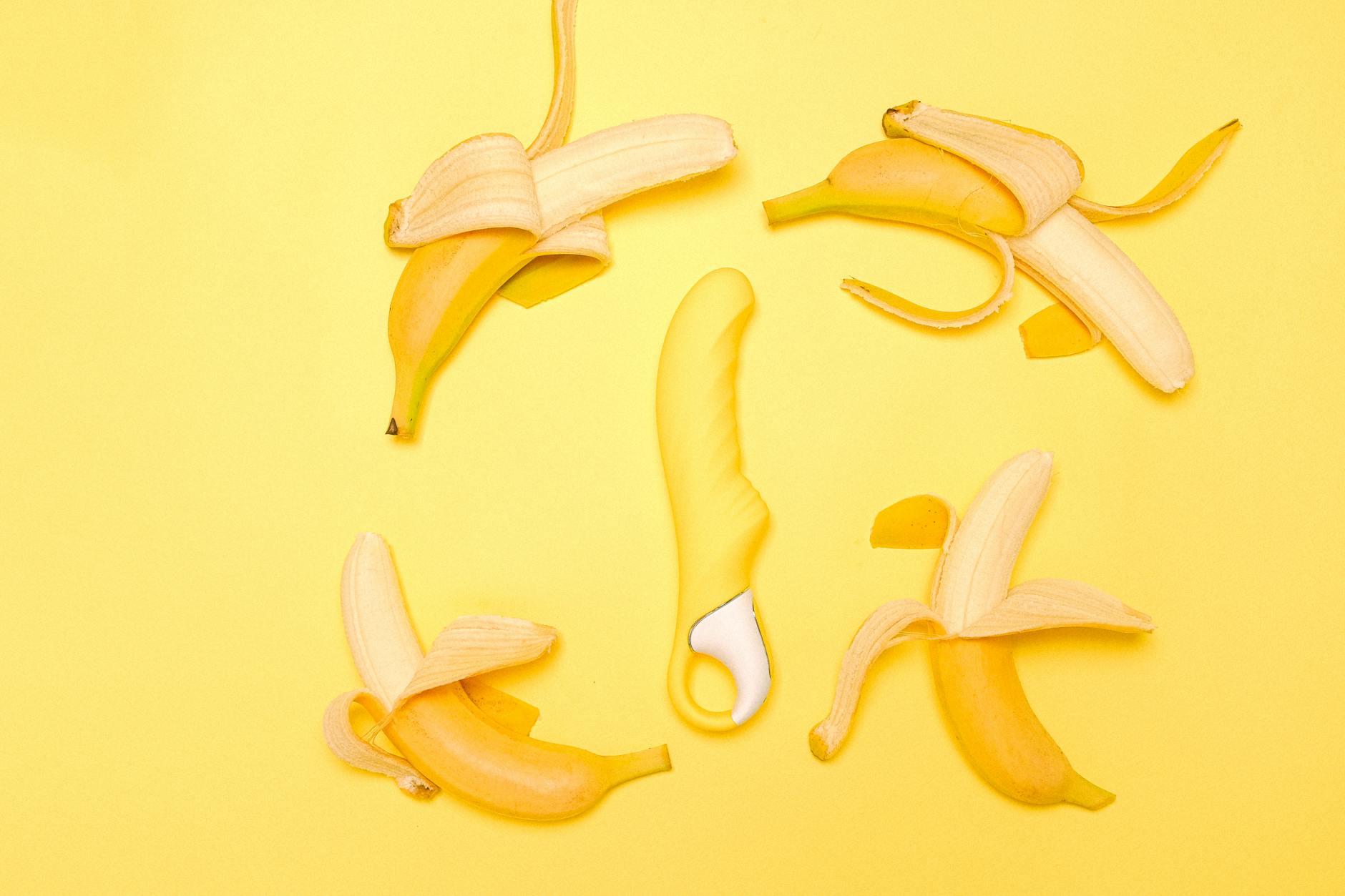
Lemon clitoral vibrators like the Hello Nancy Lem come with multiple patterns. This matters more during perimenopause than at any other time in your life.
On a day when sensation feels numb, you can move through patterns methodically. Pattern 1 might do nothing, but pattern 4 might unlock something. On a day when you're hypersensitive, you can stick to patterns 1 and 2, building arousal slowly without overload.
The ability to shift patterns without stopping gives you agency. You're not hunting for one perfect setting. You're moving through options until something clicks. Most people find that perimenopause teaches them more about their body's actual preferences than any other life stage because you have to be this intentional.
What's happening physiologically to make this matter
Your clitoris doesn't change structure during perimenopause. What changes is the blood flow to it and the nerve sensitivity surrounding it. Estrogen fluctuations directly affect blood vessel dilation and the density of nerve endings in genital tissue.
When estrogen spikes, tissues swell slightly and nerve sensitivity increases. When it crashes, everything pulls back. Your clitoris is literally getting bigger and smaller, and your sensation capacity is rising and falling with it.
Traditional vibration doesn't account for this. A vibrator that worked when your tissues were swollen might irritate them when they're not. Suction, by distributing pressure and allowing for pattern variation, works across these shifts more gracefully.
The dopamine angle nobody talks about
Hormone swings during perimenopause don't just affect sensation. They affect dopamine production, which drives desire and arousal. Some weeks you have plenty of dopamine. Some weeks you feel like you're trying to get aroused while wearing lead gloves.
When dopamine is low, your nervous system needs more stimulation to trigger arousal. This is where the lemon clitoral vibrator design becomes crucial. You can start at a lower intensity and build upward without feeling like you're trapped at one setting. The progression matters as much as the endpoint.
You're not just looking for the perfect sensation. You're looking for a tool that lets you meet yourself where you are, neurochemically, in that moment.
Practical adjustments for perimenopause specifically
If you're using a lemon clitoral vibrator during perimenopause, a few things help.
First, start with pattern 1 or 2 regardless of what you think you need. Your arousal curve is steeper than it used to be, and starting softer lets you feel the changes as your body warms up. Second, spend time on each pattern. Move between them slowly rather than clicking through like you're searching for something. Your nervous system needs time to register each one.
Third, pay attention to where you are in your cycle, if you still have one. Sensitivity often peaks around ovulation and drops after. Knowing this gives you context for why sensation feels different, which makes it less scary.
Fourth, use water-based lube even if you don't think you need it. Perimenopause is when tissue thinning starts. Lube helps the suction work more smoothly and reduces friction irritation.
When perimenopause sensitivity spikes dangerously high
Sometimes during perimenopause, sensation doesn't just increase. It becomes painful. Your clitoris might feel raw or too tender to touch, even gently.
This is real, and it's worth knowing what to do. First, take a break. Your nervous system is overwhelmed. Give yourself a few days without direct clitoral stimulation. Second, when you're ready to explore again, start with the lowest setting on a lemon clitoral vibrator at maximum distance. Some devices let you hold them further away from your body, which reduces intensity.
If pain persists, talk to a gynaecologist who understands perimenopause. Topical treatments exist that can help rebalance sensation without suppressing it entirely.
The mental shift that actually matters
Using a clitoral vibrator during perimenopause teaches you something that lasts for life: your pleasure isn't broken when it changes. It's adapting. Your body isn't failing you. It's moving through a transition.
Lemon clitoral vibrators work well for perimenopause not because they're magic, but because they give you control during a time when control feels impossible. You can adjust patterns, intensity, duration. You're not at the mercy of a tool designed for a stable baseline you no longer have.
This permission to adapt, to shift, to try again is what transforms perimenopause from something that happens to you into something you move through intentionally.
FAQ
How do lemon suction vibrators differ from traditional vibrators for perimenopause?
Traditional vibrators deliver steady vibration that doesn't adapt to your changing sensitivity. Lemon clitoral vibrators use suction technology that distributes stimulation across a wider area and includes multiple patterns, letting you meet your body where it is in that moment rather than forcing it to accommodate one fixed setting.
Can I use a clitoral vibrator if my sensitivity spikes too high during perimenopause?
Yes. Start with the lowest pattern and hold the device further from your body if possible. If sensation is painful, take a break and revisit when your hormones settle. If pain persists across multiple cycles, see a gynaecologist. Topical treatments and pattern adjustments can help manage hypersensitivity.
Do I need lube with a lemon clitoral vibrator during perimenopause?
Yes. Perimenopause is when tissue thinning begins. Lube reduces friction, helps suction work more effectively, and prevents irritation. Water-based lube is safest for silicone toys. Don't skip this even if you don't think you need it.
Why does sensation feel stronger with a lemon vibrator some days and weaker on others?
Your hormone levels shift throughout perimenopause, affecting blood flow to your clitoris, nerve sensitivity, and tissue thickness. Days when estrogen peaks, sensation increases. Days when it crashes, sensitivity drops. This is normal and temporary. A tool with pattern options lets you adjust rather than get stuck.
Is it normal to feel numb one day and hypersensitive the next during perimenopause?
Completely normal. Hormone fluctuations during perimenopause are dramatic and unpredictable. Numbness and hypersensitivity can happen within days of each other. Tracking when you feel what can help you see patterns in your cycle, which makes sensation less scary.
How does dopamine affect how a clitoral vibrator feels during perimenopause?
Low dopamine weeks make arousal harder to initiate. You might need more stimulation to get started. This is why starting slow with a lemon clitoral vibrator and building through patterns helps more than jumping straight to high intensity. You're giving your nervous system time to activate dopamine production rather than forcing it.
What happens next
Perimenopause isn't forever. It typically lasts 5 to 10 years before you cross into actual menopause. But the skills you learn during this time, about adaptability and tuning into your body, stay with you.
Using a lemon clitoral vibrator during this transition teaches you to see sensation changes as information rather than failure. Your body isn't betraying you. It's telling you what it needs right now. A tool that lets you listen without frustration is worth having on your side.
If you want to explore this more deeply, our guide on how to use a lemon vibrator when clitoral sensitivity decreases with age covers the longer arc of sensitivity changes across decades. And if perimenopause is hitting your relationship hard, how to use a lemon vibrator for couples rebuilding intimacy after long-term stress has conversation starters.
Your pleasure matters. So does your peace of mind. During perimenopause, finding tools that give you both is non-negotiable.