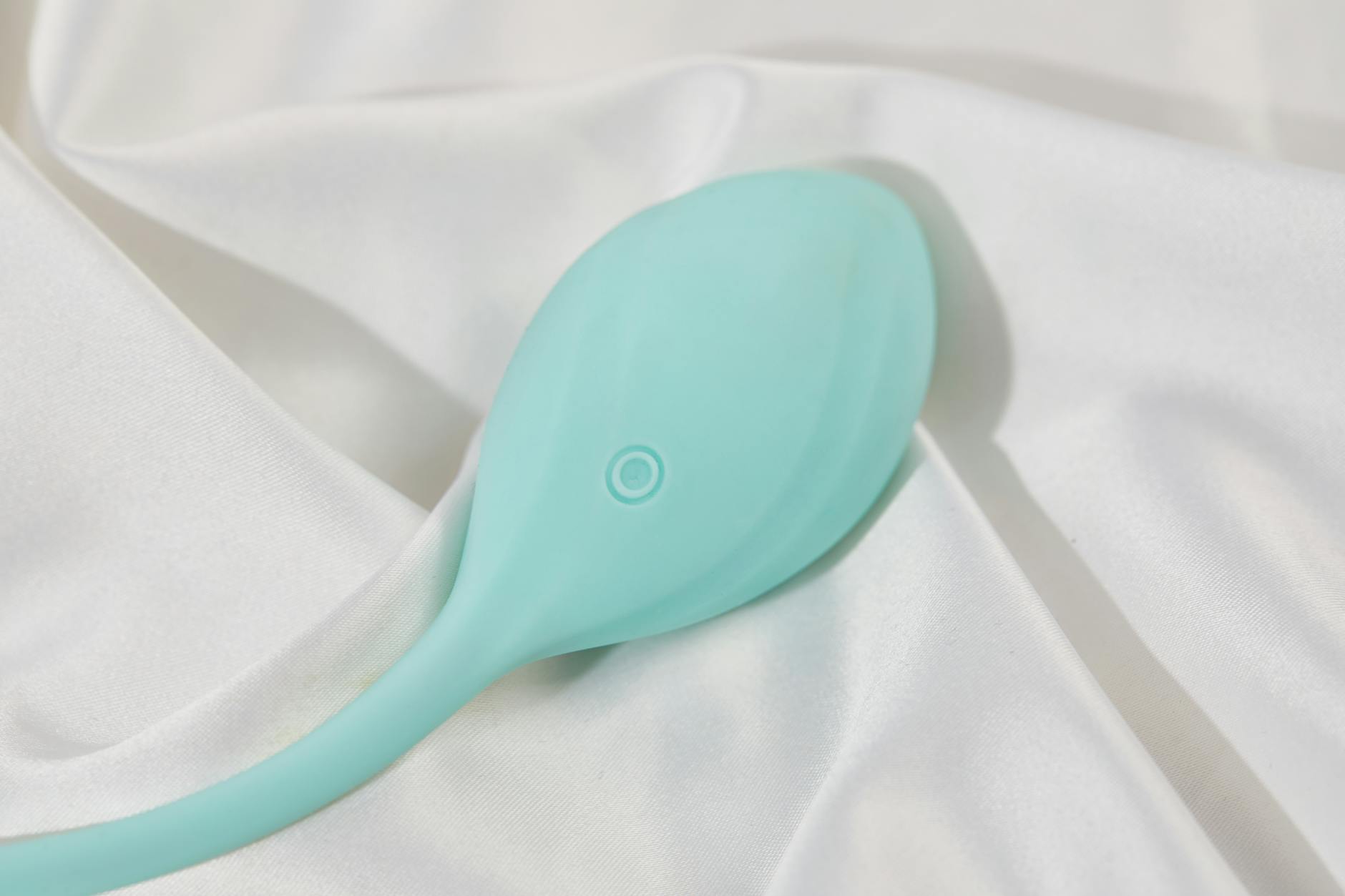
Why Lemon Vibrators Feel Different During Different Life Stages
Let's be real. Your body at 25 is not your body at 35, and it's definitely not your body at 45. Blood flow shifts. Hormone levels rise and fall. Tissue sensitivity changes. Nerve density fluctuates. Your pelvic floor gains strength, then sometimes loses it. What this means for your pleasure is neither tragic nor obvious. It's just different.
The good news: knowing what's actually happening at each stage means you can stop blaming yourself and start adjusting your approach. And lemon clitoral vibrators, with their suction-based design, respond beautifully to these changes when you know what to expect.
Here's what I've learned from working with people across decades of their sexual lives.
Your 20s: Peak sensitivity and quick arousal
In your 20s, your body is a high-responder. Blood flow to the genitals is fast. Arousal builds quickly. Lubrication happens readily. Your clitoris has maximum nerve density, which means it picks up even light stimulation.
Lemon vibrators in this phase often feel intense right away, sometimes almost too fast. Many people in their 20s report that the lower intensity settings on the lem vibrator feel perfect for their baseline, whereas they'd assumed they'd need to jump to settings 5 and 6.
The pelvic floor is typically tight but responsive. Orgasms tend to be sharp and localized. Some users notice that the suction sensation almost surprises them because it's so different from anything they've tried before.
If you're using a lemon vibrator for the first time in your 20s, start conservatively. Your body is primed. You don't need to prove anything by cranking the intensity. The magic is in the sustained stimulation, not the force.
Your 30s: More complexity, richer responses
Your 30s are weird in the best way. Arousal still builds relatively quickly, but it's less automatic than it was. Life gets noisier. Stress creeps in. Some people start hormonal birth control or quit it. Others deal with relationship shifts or solo play that feels different than it did before.
What I notice in clients is that lemon vibrators often feel more nuanced in the 30s. The suction sensation registers differently. Some people describe it as deeper, more integrated into the body rather than a surface event. Others need slightly longer warm-up time before it feels good.
This is also when you might notice your cycle affecting sensation. If you're tracking it, you might find that the lem vibrator feels dramatically different in the follicular phase versus the luteal phase. In the follicular phase (post-period, pre-ovulation), arousal typically builds faster and orgasms feel sharper. In the luteal phase, everything takes a touch longer, but the sensation is often more full-bodied.
Your 40s: Hormonal shifts and surprising gains
The 40s are when things get genuinely interesting. Perimenopause often starts here, and even if you're not actively in perimenopause, your body is preparing for it. Estrogen starts to fluctuate. Some people report their first experiences with irregular periods or skipped cycles.
Here's the surprising part: many people report that lemon clitoral vibrators feel stronger in their 40s, not weaker. Why? Because as estrogen starts to drop, the clitoris actually becomes more sensitive. The tissue thins slightly, which sounds like it should be a bad thing, but neurologically, a thinner layer of tissue can mean nerve endings are closer to the surface. The suction sensation registers more intensely.
For some, this is fantastic. For others, it means adjusting back to lower intensity settings. This is exactly why how to use a lemon vibrator with vaginal dryness and tissue thinning becomes relevant reading. You're not broken. Your body is just signaling that it needs a slightly different approach.
The pelvic floor often gets tighter in your 40s, especially if you've been managing stress or dealing with chronic tension. This can make the sensation feel even more concentrated. Some people find they need to work on pelvic floor relaxation to fully enjoy the experience.
Your 50s and beyond: Post-menopause and new frontiers
Once you're fully post-menopausal, everything settles into a new baseline. Estrogen is stable (low, but stable). The initial volatility of perimenopause is gone. Many people report that this is when they finally understand their body again.
Lemon vibrators in your 50s and beyond often feel different in the best possible way. Without the monthly hormonal swings, you get consistent sensation. Without the fertility anxiety, many people report they're actually more present. And without the pelvic floor tension that sometimes comes with perimenopause, the sensation can feel more generous.
I've worked with many people who report their most satisfying orgasms have come in their 50s and 60s. Lemon vibrator after menopause is genuinely powerful because the body knows what it wants, and there's usually less self-judgment in the way.
Tissue does continue to thin post-menopause, which is why water-based lubricant becomes non-negotiable. But the suction sensation often registers beautifully. The lack of hormone fluctuation means you can trust your body from day to day.
How to adjust your approach as you age
Here's what I recommend at each stage:
20s and early 30s: Start low, build up. Your body's responsiveness is your biggest asset. Don't rush to higher intensities just because they exist. Longer warm-up isn't usually your friend yet, so use that 5-minute window and see what happens.
Mid-30s to early 40s: Track what feels different across your cycle. Note which week post-period feels best. Notice how stress affects sensation. This data is gold. Adjust your intensity based on where you are in your cycle, not just your mood.
40s and perimenopause: Keep water-based lubricant within reach always. If sensation becomes too intense, don't assume you have to accept it. Lower intensity settings exist for a reason. If you're dealing with pelvic floor tension, spend 10 minutes on relaxation before using your lemon clitoral vibrator.
50s and beyond: Lubricant is your best friend. Everything else stays the same, but consistent lubrication makes the difference between great sensation and uncomfortable sensation. Otherwise, you're entering the most stable part of your sexual life.
The bigger truth about aging and pleasure
Honestly, this is worth saying directly: pleasure doesn't decline with age. It transforms. The sensitivity you had in your 20s gets replaced by something deeper and more integrated in your 30s. The spontaneity of your 30s becomes the intentionality of your 40s. The volatility of your 40s becomes the stability of your 50s.
Lemon vibrators work at every stage because they're responsive to your body's actual physiology. The suction mechanism doesn't rely on brute force. It relies on the nervous system. And your nervous system keeps working beautifully for your whole life.
The only thing that changes is your understanding of it.
People also ask
Can I use the same lemon vibrator settings my whole life?
Not necessarily, and that's completely normal. Your 20s and your 40s are different physiologically. You might start at intensity 3 and find you're comfortable at intensity 2 once you hit perimenopause, then shift back to intensity 3 post-menopause. Your body isn't being difficult. It's being honest. Listen to it.
Does using a lemon sucker regularly change how my body responds over time?
Yes, but not in a bad way. Regular use can actually improve blood flow to the area and increase sensation sensitivity over time. That said, if you notice sensation decreasing, it usually means you need a break (a few weeks off can reset things), or it means your body has genuinely changed due to life circumstances (stress, medication, hormonal shifts) rather than the toy itself.
Why do lemon clitoral vibrators feel stronger as I age?
Tissue changes. As estrogen drops, the clitoral tissue thins slightly, which brings nerve endings closer to the surface. Counterintuitively, this often means increased sensation rather than decreased. It's not universal, but it's common enough that it's worth knowing about. If it happens to you, adjust your intensity downward, not upward.
Should I switch from a traditional vibrator to a lemon vibrator at a specific age?
No age requirement. But many people find that why lemon vibrators work better than traditional vibrators for tight pelvic floor issues becomes relevant in their 40s and beyond, when pelvic floor tension is more common. If you've ever felt like traditional vibrators were too intense or uncomfortable, a lemon clitoral vibrator might feel like a revelation. Age isn't the trigger. Your body's needs are.
How does hormonal birth control affect how my lemon vibrator works?
Hormonal birth control stabilizes your cycle, which means you get more consistent sensation day-to-day. Some people find their lem vibrator works the same way all month long when they're on birth control, which can feel amazing or limiting depending on your perspective. If you stop birth control, expect your response to shift again. That transition period is normal.
What should I know about lemon vibrators if I'm navigating midlife changes?
Three things: one, sensation changes are normal and not a sign of anything wrong. Two, water-based lubricant and patience are your friends. Three, if something feels genuinely painful or off, talk to a healthcare provider rather than just accepting it. Midlife brings real physiological changes, and addressing them directly makes everything better.
Your body changes, and your pleasure evolves with it. That's not a downgrade. It's an upgrade into self-knowledge. Understanding how your lemon clitoral vibrator works at each stage means you stop fighting your body and start trusting it.
If you have questions about finding the right approach for your specific situation, we're here. Reach out anytime at /contact.